How to Choose the Best Food for Senior Cats
If you’ve lived with a cat for many years, you’ll notice they change in little ways before they change in big ones. Maybe they don’t race to the food bowl like they used to. Maybe they spend more time sleeping by the window or choose the softest spot in the house instead of climbing to […]
If you’ve lived with a cat for many years, you’ll notice they change in little ways before they change in big ones. Maybe they don’t race to the food bowl like they used to. Maybe they spend more time sleeping by the window or choose the softest spot in the house instead of climbing to the highest shelf. These changes are completely normal. Growing older is part of life, but it also means your cat’s nutritional needs are changing. That is why choosing the best food for senior cats becomes one of the most important decisions you can make as a pet owner.
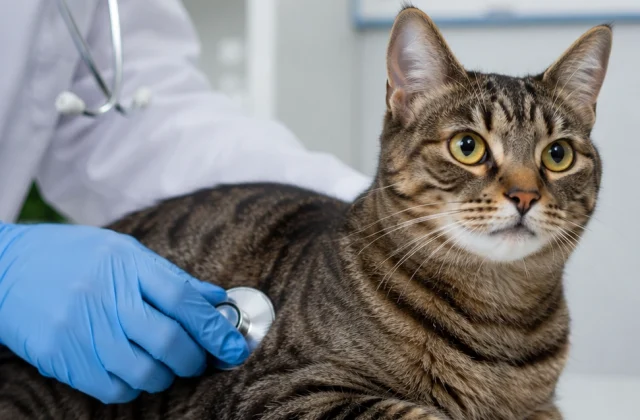
A lot of people believe that if their cat is still eating, everything must be fine. I used to think the same. But many veterinarians explain that older cats often hide discomfort better than younger ones. They may eat less, lose muscle slowly, or become less active without showing obvious signs of illness. The food you serve every day can make a real difference in how comfortable and healthy they feel. Finding the right food doesn’t mean buying the most expensive brand on the shelf. It means understanding what your cat actually needs at this stage of life. Once you know that, choosing the right meal becomes much easier.
Why Older Cats Need a Different Diet
Cats usually enter their senior years between seven and ten years of age, although every cat ages differently. Some stay playful well into their teenage years, while others begin slowing down much earlier. You’ll probably notice smaller changes first. They sleep a little longer. They move more carefully. They may not finish every meal like they once did. These are small signs, but they matter.
As cats grow older, their bodies process nutrients differently. Their metabolism slows, digestion becomes less efficient, and maintaining muscle gets harder. Some also develop dental problems, making crunchy food uncomfortable to chew. Because of these natural changes, a balanced senior cat diet becomes much more important than it was during adulthood. Older cats also become more likely to develop kidney disease, arthritis, digestive sensitivity, or weight problems. Good nutrition cannot prevent every health issue, but it can help support the body and improve overall quality of life.
What Makes the Best Food for Senior Cats?
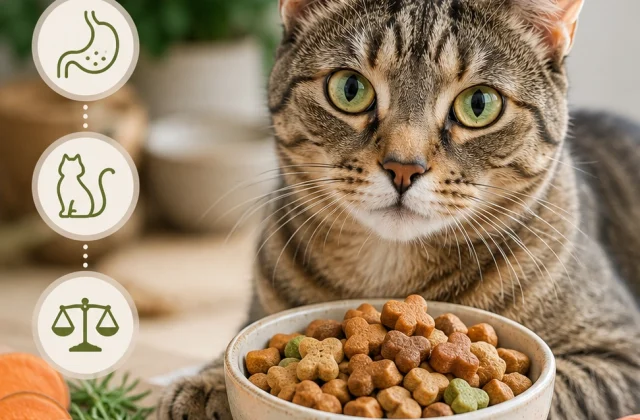
Many pet owners ask the same question: what exactly is the best food for senior cats? The honest answer is that there isn’t one perfect food for every cat. What works wonderfully for one cat may not suit another. Age, weight, activity level, and medical conditions all play a role. Still, there are a few things you’ll almost always want to see. The first is high-quality animal protein. Cats are obligate carnivores, which means they depend on meat for essential nutrients. Even as they age, they still need protein to help maintain healthy muscles. Chicken, turkey, salmon, tuna, or lamb should appear near the top of the ingredient list instead of vague meat by-products.
Healthy fats are another important part of a good diet. They provide energy while supporting healthy skin and a shiny coat. Omega-3 fatty acids, often found in fish oils, may also help support aging joints and reduce normal inflammation associated with getting older. You’ll also want to see vitamins, antioxidants, and balanced minerals. These nutrients help support the immune system and contribute to healthy organs, especially the kidneys and urinary tract, which often need extra care during the senior years. The goal isn’t to find food with the longest ingredient list. Sometimes the simplest recipes, made with quality ingredients, are the best choice.
Understanding a Healthy Senior Cat Diet
A proper senior cat diet isn’t simply adult cat food with a different label. It is carefully balanced to support an older body. Protein remains one of the most important nutrients because older cats naturally lose muscle mass over time. If protein intake becomes too low, they may become weaker even if they maintain a healthy body weight. That’s one reason veterinarians often recommend foods made specifically for seniors.
Calories also matter, but not in the same way for every cat. Some senior cats become overweight because they’re less active, while others lose weight because they don’t eat enough. Instead of focusing only on calories, it’s better to look at the overall nutritional balance. Hydration is another area that many owners overlook. Cats naturally don’t drink large amounts of water, and older cats may drink even less than they should. Foods with higher moisture content can help support hydration every single day without forcing your cat to drink more from the bowl.
Is Soft Food Better for Senior Cats?
One of the biggest changes owners make as their pets age is switching to soft food for senior cats. In many situations, it’s a smart decision. Older cats often develop worn teeth, sensitive gums, or dental disease. Crunching dry kibble may become uncomfortable, even if they don’t show obvious pain. Soft food is easier to chew, easier to swallow, and often smells stronger, making it more appealing for cats whose appetite has decreased. Another benefit is hydration. Wet meals contain much more moisture than dry food, helping support kidney function and urinary health. Since kidney disease becomes more common as cats age, this extra moisture can be very helpful.
That doesn’t automatically mean every senior cat should stop eating dry food. Some continue enjoying kibble well into old age without any problems. Others prefer a combination of wet and dry meals throughout the day. Watching your cat’s eating habits usually tells you which option works best. Many pet owners notice something interesting after changing to soft food for senior cats. Their cats often become more excited about mealtime again. A cat that once walked away from its bowl may suddenly finish every bite. Small improvements like this can be a sign that the new diet is more comfortable and enjoyable.
Wet Food or Dry Food Which One Should You Choose?
This question comes up almost every time someone starts searching for the best food for senior cats. The truth is, both options have advantages, and the right choice depends on your individual cat. Wet food contains more water, which helps keep older cats hydrated. It is usually softer, easier to digest, and has a stronger aroma that encourages picky eaters. Dry food, on the other hand, is convenient, stays fresh longer, and can work well for cats that still have healthy teeth and enjoy crunching their meals.
Many experienced cat owners don’t choose one over the other. Instead, they combine both to give their cats variety while still meeting their nutritional needs. What matters most is not whether the food is wet or dry, but whether it provides complete and balanced nutrition for an aging cat.
How to Read Cat Food Labels Without Feeling Confused
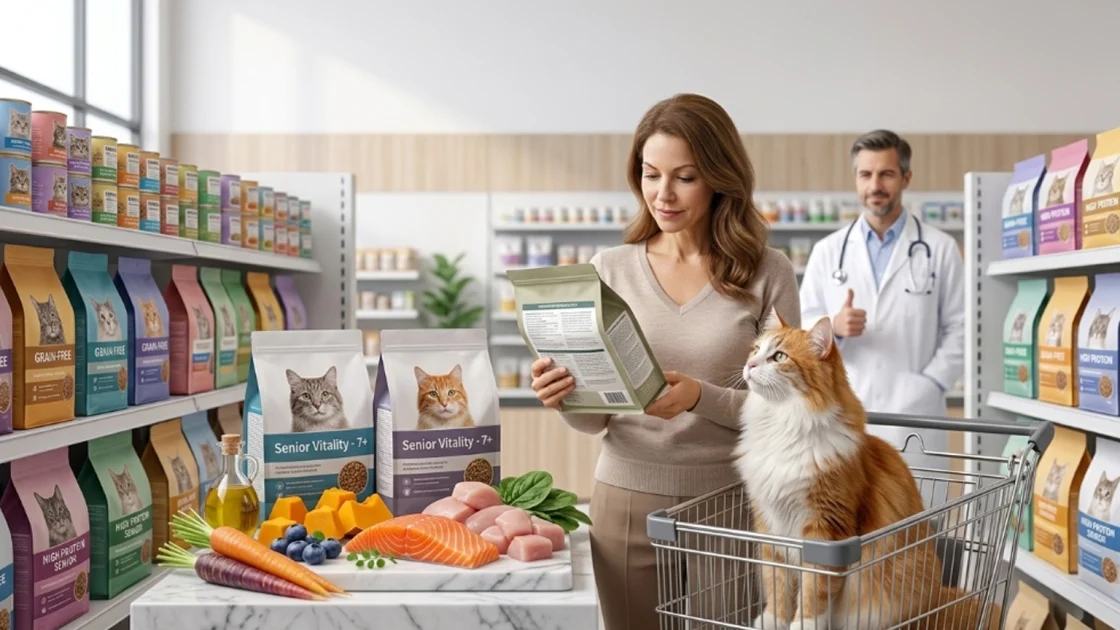
Walking through the pet food aisle can feel a little overwhelming. Every package claims to be natural, premium, or complete. The pictures look great, but the front of the bag doesn’t tell the whole story. The ingredient list is where the real information is. When looking for the best food for senior cats, check that a named animal protein like chicken, turkey, salmon, or lamb appears near the beginning of the ingredient list. Cats depend on animal protein to stay healthy, especially as they grow older. Foods made mostly with fillers may keep your cat full for a while, but they often don’t provide the same nutritional value.
It also helps to look at the guaranteed analysis. You don’t need to become a nutrition expert, but understanding the protein, fat, fiber, and moisture levels gives you a better idea of what your cat is eating every day. After comparing a few different brands, you’ll start noticing the differences yourself.
Ingredients That Can Support Healthy Aging
The best food for senior cats usually includes ingredients that support the body as it changes with age. High-quality protein is always the first priority because it helps maintain muscle strength. Healthy fats provide energy and help keep the coat soft and shiny. Many good recipes also include Omega-3 fatty acids from fish oil, which may help support joint health and brain function. Taurine is another important nutrient because cats need it for healthy vision and heart function. Vitamins E and C are commonly added as antioxidants to support the immune system.
Some senior cat foods also contain glucosamine and chondroitin. While every cat responds differently, these nutrients may help keep joints comfortable as your cat becomes less active. Simple, balanced recipes are often the safest choice. Sometimes less really is more.
Ingredients You May Want to Avoid
Not every food sold for older cats offers the same quality. Some products contain unnecessary fillers, excessive artificial colors, or ingredients that provide very little nutritional value. That doesn’t mean every ingredient with a long name is harmful. It simply means reading the label carefully instead of trusting marketing claims. A food that focuses on real meat and balanced nutrition is usually a better choice than one filled with inexpensive fillers. If your cat has food sensitivities or allergies, choosing limited-ingredient recipes may also help reduce digestive upset.
Health Problems That Can Affect Food Choices
As cats get older, health conditions become more common. That’s why the best food for senior cats isn’t exactly the same for every pet. Cats with kidney disease often need carefully balanced minerals. Cats with diabetes usually benefit from diets that are higher in protein and lower in unnecessary carbohydrates. If arthritis becomes a problem, maintaining a healthy weight can reduce extra pressure on painful joints.
Digestive problems may also appear with age. Some older cats develop sensitive stomachs and do better on foods made with easily digestible ingredients. If your veterinarian recommends a special diet, there’s usually a good reason for it. Prescription foods are designed to support specific medical conditions rather than general health.
Creating the Right Feeding Routine
A healthy senior cat diet isn’t only about choosing the right food. Feeding habits matter too. Many older cats feel more comfortable eating smaller meals during the day instead of one large serving. Smaller portions are often easier to digest and may encourage cats with smaller appetites to eat enough calories.
Fresh water should always be available. Even if you’re feeding wet food, your cat still needs access to clean drinking water throughout the day. Keeping a regular feeding schedule also helps. Cats enjoy routine, and many senior cats become less stressed when meals arrive at the same time every day.
Signs You’ve Chosen the Right Food
Sometimes owners expect immediate changes after switching foods. Real improvements usually happen gradually. You may notice your cat becoming more interested in meals. Their coat might feel softer when you pet them. Energy levels often improve little by little, and litter box habits become more regular.
Healthy weight maintenance is another good sign. Older cats shouldn’t lose muscle rapidly or gain excessive weight. A balanced senior cat diet helps support steady body condition over time. The small improvements often matter the most. Maybe your cat starts following you around the house again or jumps onto the sofa without hesitation. Those everyday moments tell you a lot.
Mistakes Many Cat Owners Accidentally Make
One common mistake is changing food too quickly. Even the best food for senior cats should be introduced gradually over seven to ten days. Mixing the old and new food allows your cat’s digestive system to adjust comfortably. Another mistake is feeding too many treats. A few treats now and then are perfectly fine, but they shouldn’t replace balanced meals.
Some owners also ignore small appetite changes. If an older cat suddenly refuses food for more than a day, it’s worth speaking with a veterinarian. Cats are very good at hiding illness, so a reduced appetite should never be ignored. Finally, don’t assume that every senior cat needs exactly the same diet. Your friend’s cat may thrive on one brand while yours does better on another. Every cat has different nutritional needs.
Choosing Food with Confidence
Finding the best food for senior cats doesn’t have to be stressful. Once you understand what older cats need, the decision becomes much simpler. Focus on real animal protein, balanced nutrition, healthy fats, and plenty of moisture. Watch how your cat responds after changing foods, because their behavior often tells you more than any advertisement ever could. Every senior cat deserves meals that help them stay comfortable, active, and happy during their later years. Good nutrition won’t stop aging, but it can certainly help your cat enjoy every stage of life.
At Petcentric, we believe caring for a senior cat starts with understanding their changing needs. Choosing the best food for senior cats means looking beyond attractive packaging and focusing on real nutrition. A balanced senior cat diet, combined with the right soft food for senior cats when needed, can help support healthy muscles, better digestion, improved hydration, and a happier life. Small changes in your cat’s bowl today can make a noticeable difference for many years to come.
Frequently Asked Questions
What is the best food for senior cats?
The best food for senior cats is one that contains high-quality animal protein, healthy fats, essential vitamins, and balanced minerals. The right choice also depends on your cat’s age, activity level, and overall health.
Should senior cats eat soft food every day?
Many older cats benefit from soft food for senior cats because it is easier to chew and provides extra moisture. However, some healthy senior cats continue eating dry food without any issues.
How often should I feed a senior cat?
Most veterinarians recommend feeding senior cats two or three smaller meals each day. Smaller portions are often easier to digest and help maintain a healthy weight.
When should I switch my cat to a senior cat diet?
Most cats can begin a senior cat diet between seven and ten years of age, although your veterinarian may recommend switching earlier or later depending on your cat’s health.
Can I mix wet food and dry food for my senior cat?
Yes. Many owners combine wet and dry food to provide variety, support hydration, and ensure balanced nutrition. As long as the total diet is complete and appropriate for your cat, this approach can work very well.