A Complete Guide to Common Cat Diseases and Their Symptoms
Bringing a cat into your home is one of the best feelings. They quickly become part of the family. Some cats are playful all day, while others enjoy sleeping in the warmest corner of the house. Every cat has its own personality. But one thing is true for all of them. They cannot tell us […]

Bringing a cat into your home is one of the best feelings. They quickly become part of the family. Some cats are playful all day, while others enjoy sleeping in the warmest corner of the house. Every cat has its own personality. But one thing is true for all of them. They cannot tell us when something feels wrong. That is why learning about common cat diseases is one of the most important parts of being a responsible pet owner. Most illnesses do not appear suddenly. They usually begin with small changes that many people ignore. A cat may stop eating as much, sleep longer than usual, or quietly avoid playing. These tiny signs often tell a much bigger story.
I have seen many pet owners think their cat is simply tired. A few days later, they discover their pet needs medical treatment. Cats naturally hide pain because it is part of their survival instinct. By the time obvious symptoms appear, the illness may already be progressing. The good news is that many cat health problems can be managed or even prevented when they are recognized early. Understanding the warning signs allows you to get veterinary care before a condition becomes serious. In this guide, you’ll learn about the most common illnesses seen in cats, how to recognize cat disease symptoms, what causes them, and the simple steps you can take to keep your furry companion healthier for years to come.
Why Cats Develop Different Diseases
Cats become sick for many different reasons. Sometimes bacteria or viruses enter their bodies. In other cases, poor nutrition, aging, parasites, genetics, stress, or environmental changes contribute to various cat medical conditions. Even indoor cats are not completely protected. Many owners believe keeping a cat inside means it will never become ill. Unfortunately, that is not true. Indoor cats can still develop kidney disease, diabetes, dental disease, obesity, and many other health conditions without ever stepping outside.
Outdoor cats usually face even greater risks because they are exposed to fights with other animals, contaminated food, parasites, and several contagious cat infections. Understanding where diseases come from helps owners make better decisions about daily care. Prevention always costs less than treatment, and it also saves your cat from unnecessary pain.
The Early Signs You Should Never Ignore
Cats rarely cry out when they feel sick. Instead, they quietly change their behavior. That makes observing your cat every day incredibly important. A healthy cat usually eats well, drinks a normal amount of water, keeps its coat clean, and enjoys regular activity. When these habits suddenly change, it often means something is happening inside the body. One of the earliest cat disease symptoms is loss of appetite. If your cat skips one meal, it may not be a serious concern. However, refusing food for more than twenty-four hours should never be ignored. Cats depend on regular eating, and prolonged fasting can create additional health complications.
Another warning sign is unusual sleeping. Cats naturally sleep a lot, but when an active cat suddenly spends nearly the entire day hiding or avoiding people, it deserves attention. Many owners also notice changes in drinking habits. Drinking much more water than usual can indicate kidney disease, diabetes, or other underlying cat medical conditions.
Weight loss without any change in diet is another important symptom. Some illnesses slowly affect the body’s ability to absorb nutrients, while others increase the body’s energy demands. Either way, unexplained weight loss always deserves a veterinary examination. Changes in grooming habits should also raise concern. Healthy cats spend a significant amount of time cleaning themselves. When grooming suddenly stops, illness or pain is often responsible.
Upper Respiratory Infections in Cats
Among all common cat diseases, upper respiratory infections are one of the conditions veterinarians diagnose most frequently. These infections are very similar to a cold in humans. They usually affect the nose, throat, eyes, and upper airways. Viruses are responsible for many cases, although bacteria sometimes make the infection worse. A cat suffering from a respiratory infection may begin sneezing repeatedly throughout the day. Watery eyes, thick nasal discharge, coughing, mild fever, and reduced appetite are also common cat disease symptoms.
One thing many owners do not realize is that cats depend heavily on their sense of smell to eat. When the nose becomes blocked, food no longer smells appealing. As a result, many sick cats refuse meals, which increases the risk of dehydration. Most mild infections improve with supportive care, plenty of fluids, and rest. More severe infections may require medication prescribed by a veterinarian. Keeping infected cats separated from healthy pets also reduces the spread of contagious cat infections inside the home.
Eye Infections Can Become Serious Very Quickly
Healthy cat eyes should always appear bright and clear. If one eye suddenly becomes red or starts producing discharge, there is usually an underlying problem. Eye infections remain one of the most overlooked common cat diseases because many owners assume the irritation will disappear on its own. Unfortunately, delaying treatment can sometimes lead to permanent vision damage.
Cats with eye infections often blink excessively, keep one eye partially closed, or rub their face against furniture. Yellow or green discharge usually indicates infection, while clear tears may point toward irritation or allergies. Sometimes respiratory viruses spread into the eyes, causing inflammation and discomfort. Injuries, dust, foreign objects, and scratches can also trigger infections. Prompt veterinary treatment usually leads to an excellent recovery, especially when medication begins early.
Ear Infections Often Start Quietly
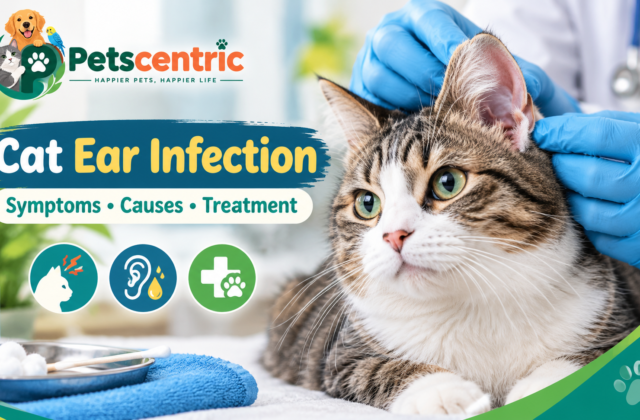
Ear problems usually develop slowly, making them difficult to notice at first. A cat may shake its head once or twice every day without attracting much attention. Over time, scratching becomes more frequent, and the ears may develop an unpleasant smell. Ear mites are one of the leading causes of ear irritation, especially in kittens. Bacteria, yeast, allergies, and trapped moisture can also lead to painful cat infections affecting the ears.
As the infection becomes worse, your cat may avoid being touched around the head because even gentle contact becomes uncomfortable. Ignoring ear infections allows inflammation to spread deeper into the ear canal, making treatment more difficult. Fortunately, most ear infections respond very well when diagnosed early.
Dental Disease Is More Common Than Most People Think
Many people pay close attention to their cat’s fur, eyes, and weight, but rarely look inside the mouth. That small habit can hide one of the most common cat health problems seen by veterinarians. Dental disease develops gradually as plaque and bacteria collect around the teeth. Over time, gums become swollen and painful. Teeth loosen, and infection spreads deeper into the mouth. Bad breath is often the first thing owners notice. Some people think unpleasant breath is normal for cats. Actually, it usually signals an underlying dental issue.
Other cat disease symptoms include difficulty chewing dry food, excessive drooling, bleeding gums, and dropping food while eating. If untreated, bacteria from dental infections may travel through the bloodstream and affect important organs, including the heart and kidneys. Regular dental checkups and proper oral hygiene can greatly reduce the risk of these serious cat medical conditions.
Kidney Disease in Older Cats
As cats grow older, kidney disease becomes increasingly common. It develops slowly, and because the kidneys compensate for damage over time, many owners notice symptoms only after the disease has already progressed. One of the earliest signs is increased thirst. Your cat may begin visiting the water bowl much more often than before. The litter box also fills more quickly because increased drinking leads to increased urination.
Weight loss, poor appetite, vomiting, bad breath, and reduced energy are additional cat disease symptoms that should never be ignored. Although chronic kidney disease cannot usually be cured, early diagnosis gives veterinarians the opportunity to slow its progression. Special diets, medications, and maintaining proper hydration often help cats live comfortably for many years. Many owners are surprised by how much difference early treatment can make. Recognizing these signs early is one of the best ways to protect your cat from serious long-term cat health problems.
Diabetes in Cats
Diabetes is becoming more common in pet cats, especially those that spend most of their time indoors. Extra body weight and lack of exercise increase the risk. At first, the changes are easy to miss. Your cat may simply start drinking more water than usual or visit the litter box more often.
These are important cat disease symptoms that should never be ignored. Some cats continue eating normally but still lose weight. Others become tired and stop playing. If diabetes is diagnosed early, many cats respond very well to treatment. A healthy diet, regular monitoring, and insulin therapy can help them live long and comfortable lives. Regular veterinary checkups also help prevent serious cat health problems that develop when diabetes goes untreated.
Skin Allergies and Itchy Skin
Skin allergies are another reason many cats visit the veterinarian. They are uncomfortable, frustrating, and sometimes difficult to identify because several different things can trigger them. Some cats react to flea bites. Others develop allergies from food ingredients, pollen, dust, or cleaning products used around the house. You may notice your cat scratching more than normal, licking the same area repeatedly, or losing patches of fur.
These cat medical conditions can become worse if the skin becomes infected. Early treatment helps reduce itching and prevents secondary cat infections. Sometimes changing food is enough. In other cases, medication or allergy management becomes necessary. Every cat is different, so finding the exact cause often takes patience.
Parasites Can Affect Even Healthy Cats
Parasites remain one of the leading causes of cat health problems around the world. Indoor cats have a lower risk, but they are not completely protected. Fleas can enter the house on clothing, while intestinal worms may spread through contaminated environments or infected prey. A cat with parasites may lose weight, develop diarrhea, vomit occasionally, or scratch constantly. Some cats also develop a dull coat because their bodies cannot absorb nutrients properly. Fortunately, most parasite-related cat infections are preventable. Routine parasite control recommended by your veterinarian provides excellent protection throughout the year. Prevention is always much easier than treating a heavy infestation.
Urinary Tract Disease
Urinary tract disease is one of the most painful common cat diseases, particularly for male cats. The symptoms often appear suddenly, and quick action is extremely important. You may notice your cat entering the litter box repeatedly but producing very little urine. Some cats cry while urinating because of severe discomfort. Blood in the urine is another warning sign that should never be ignored.
In some cases, a urinary blockage develops. This is a true emergency because the cat cannot empty its bladder. Without immediate veterinary care, the condition becomes life-threatening within a very short time. Whenever you notice these cat disease symptoms, contact your veterinarian immediately. Waiting even a few hours may increase the risk of serious complications.
Feline Leukemia Virus
Feline Leukemia Virus, often called FeLV, affects the immune system and makes it harder for cats to fight disease. Not every infected cat becomes seriously ill right away. Some remain healthy for several years before symptoms appear. Over time, repeated cat infections, weight loss, poor appetite, anemia, and fever may develop. Because the immune system becomes weaker, even minor illnesses become more difficult to recover from. Vaccination greatly reduces the risk of infection, especially for outdoor cats or homes where multiple cats live together. Testing new cats before bringing them home also helps protect other pets.
Feline Immunodeficiency Virus
Feline Immunodeficiency Virus, commonly known as FIV, also weakens the immune system. Many infected cats continue living normal lives for years with proper care. Eventually, repeated mouth infections, skin infections, slow wound healing, and recurring illnesses become more noticeable. These cat medical conditions require regular veterinary monitoring, but they do not always shorten a cat’s life. Keeping FIV-positive cats indoors helps reduce exposure to additional diseases and prevents the virus from spreading to other cats.
Digestive Problems in Cats
Most cats experience occasional stomach upset, but repeated vomiting or diarrhea should never be considered normal. Digestive cat health problems may result from parasites, food allergies, infections, inflammatory bowel disease, hairballs, or eating something they should not have touched.
If vomiting continues for more than one day or your cat refuses food, dehydration can become a concern very quickly. Young kittens and older cats are especially vulnerable. Your veterinarian may recommend blood tests, stool examinations, dietary changes, or imaging to determine the exact cause. Early diagnosis often leads to much faster recovery.
Understanding Cat Fever Symptoms
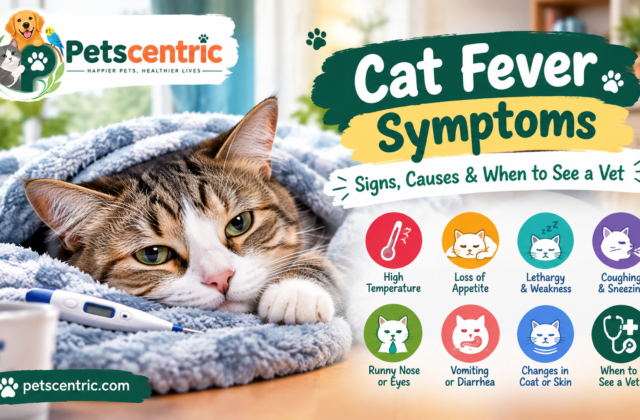
Many pet owners search online for cat fever symptoms, but recognizing them is not always easy. Unlike humans, cats usually do not simply feel warm and complain. Instead, they become quiet. They sleep longer than normal and often lose interest in food. Some cats hide under furniture where they feel safe.
Their ears may feel warmer than usual, and they sometimes breathe faster while resting. Fever itself is not a disease. It usually means the body is fighting an infection or inflammation. Never give human fever medicine to a cat. Many common medications that are safe for people are extremely dangerous for pets. If you suspect your cat has a fever, contact your veterinarian as soon as possible.
How Veterinarians Diagnose Common Cat Diseases
Finding the exact cause of illness requires more than simply looking at symptoms. Many common cat diseases share similar warning signs, so professional diagnosis becomes very important. Veterinarians begin with a complete physical examination. They often recommend blood tests, urine analysis, stool testing, X-rays, or ultrasound depending on the symptoms. Although some owners hesitate because of the cost, early diagnosis usually reduces overall treatment expenses. Treating a disease in its early stages is often simpler than waiting until complications develop.
Protecting Your Cat From Future Illness
Keeping your cat healthy does not require complicated routines. Small daily habits often make the biggest difference. Feed a balanced, high-quality diet that matches your cat’s age and activity level. Fresh drinking water should always be available because good hydration supports healthy kidneys and overall body function.
Routine veterinary examinations help detect cat medical conditions before they become serious. Vaccinations protect against several dangerous viral diseases, while regular parasite prevention reduces the risk of many cat infections. Daily observation is equally important. You know your cat better than anyone else. If eating habits, behavior, grooming, or litter box routines suddenly change, trust your instincts and arrange a veterinary visit. Small changes often appear long before obvious illness develops.
Final Thoughts
Learning about common cat diseases is one of the best investments you can make for your pet’s health. Cats naturally hide pain, so even small changes in behavior deserve attention. Recognizing early cat disease symptoms gives your veterinarian the best chance to diagnose problems before they become serious. Many cat health problems can be treated successfully when discovered early, allowing your cat to enjoy a longer and happier life.
At Petcentric, we believe every cat owner should have reliable and easy-to-understand information before an emergency happens. Keep learning, schedule regular health checkups, provide proper nutrition, and never ignore unusual behavior. A little attention today can protect your furry friend for many healthy years ahead.
Frequently Asked Questions
What are the most common cat diseases?
The most common cat diseases include upper respiratory infections, kidney disease, diabetes, dental disease, urinary tract disease, skin allergies, ear infections, and parasite-related illnesses. Early diagnosis usually leads to better treatment outcomes.
What are the first cat disease symptoms owners usually notice?
Most owners first notice changes in appetite, drinking habits, sleeping patterns, grooming, litter box use, or energy levels. These small changes often appear before more serious symptoms develop.
Can indoor cats still get serious diseases?
Yes. Indoor cats can still develop diabetes, kidney disease, dental problems, obesity, allergies, and several other cat medical conditions. Regular veterinary care remains important even for cats that never go outside.
How can I reduce the risk of cat infections?
Keeping vaccinations up to date, maintaining good hygiene, using parasite prevention, feeding a balanced diet, and limiting contact with infected animals all help reduce the risk of cat infections.
When should I take my cat to the veterinarian?
If your cat refuses food for more than 24 hours, struggles to breathe, repeatedly vomits, cannot urinate, has blood in its urine, or shows severe weakness, seek veterinary care immediately. Quick treatment can often prevent life-threatening complications.