What Do Rabbits Eat Daily Best Foods and Feeding Guide
If you’ve ever brought home a rabbit, you’ve probably stood in front of the food shelf at a pet store wondering what to buy. There are pellets, treats, hay, dried vegetables, and colorful snacks that all claim to be healthy. It can be confusing. Many first-time owners make the same mistake—they assume rabbits can live […]
If you’ve ever brought home a rabbit, you’ve probably stood in front of the food shelf at a pet store wondering what to buy. There are pellets, treats, hay, dried vegetables, and colorful snacks that all claim to be healthy. It can be confusing. Many first-time owners make the same mistake—they assume rabbits can live happily on carrots and pellets alone. The reality is very different.
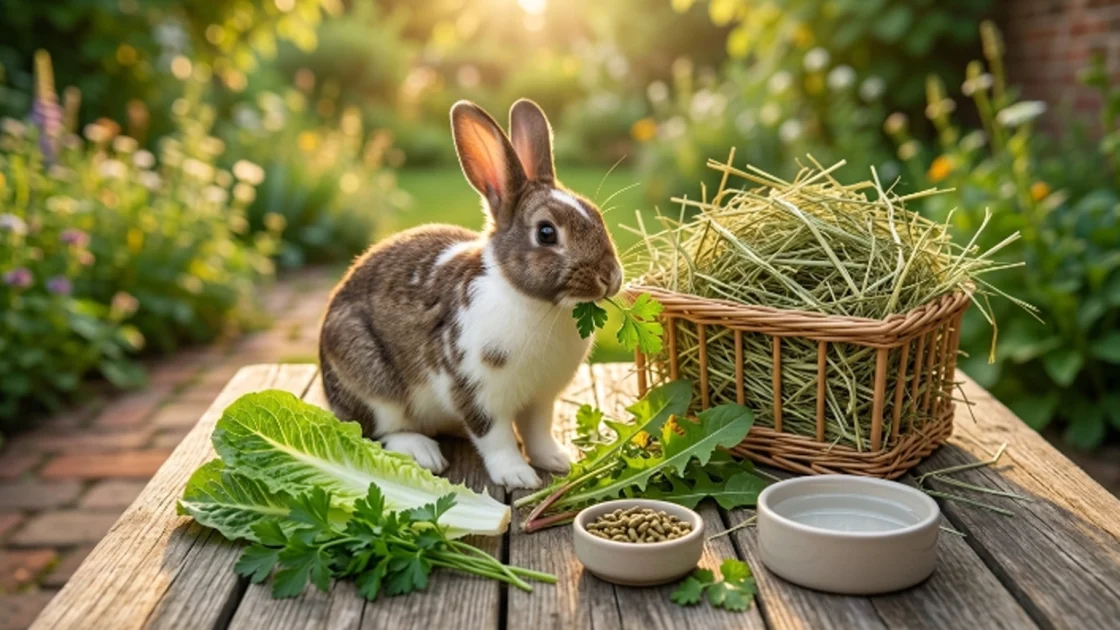
What do rabbits eat daily? The simple answer is this: healthy rabbits need unlimited hay, fresh leafy vegetables, clean water, and a small amount of quality pellets. A balanced diet keeps their digestive system working properly, supports healthy teeth, and helps them stay active for years.
Rabbits are prey animals. In the wild, they spend a large part of their day eating grasses and plants. Their bodies have evolved to digest high-fiber foods almost constantly. That natural behavior hasn’t changed just because they now live inside our homes. Understanding this is the first step toward becoming a responsible rabbit owner.
Whether you have a young bunny or an adult rabbit, this guide explains everything you need to know. You’ll learn a complete rabbit food list, understand the ideal rabbit feeding schedule, discover the best fresh vegetables for rabbits, and learn how to choose safe rabbit foods that support long-term health.
Quick Answer: What Do Rabbits Eat Daily?
A healthy rabbit should eat unlimited grass hay throughout the day, fresh leafy vegetables every day, a measured amount of high-quality rabbit pellets, and fresh clean water. Hay should make up around 80–90% of an adult rabbit’s diet because it provides the fiber needed for healthy digestion and naturally wears down continuously growing teeth. If you remember only one thing from this guide, remember this: hay is always the most important food in a rabbit’s diet.
Why Daily Nutrition Is So Important
Rabbits have one of the most delicate digestive systems among common pets. Unlike cats or dogs, rabbits cannot go long periods without eating. Their stomach and intestines rely on a constant movement of fiber to keep food passing through the digestive tract. When rabbits stop eating enough fiber, digestion slows down. This can lead to serious problems such as gastrointestinal stasis, a condition that requires immediate veterinary care. That’s one reason experienced rabbit owners pay close attention to daily feeding habits.
Good nutrition affects much more than digestion. A balanced diet helps maintain a healthy weight, supports the immune system, improves coat quality, and keeps teeth from becoming overgrown. Rabbits’ teeth never stop growing, so they need plenty of natural chewing every day. Many people spend money on expensive supplements hoping to improve their rabbit’s health. In reality, the biggest improvement usually comes from feeding the right natural foods consistently.
The Foundation of Every Rabbit Food List
If someone asked me to build the perfect rabbit food list, I would start with one thing before anything else—fresh grass hay. Timothy hay is considered one of the best choices for healthy adult rabbits because it contains plenty of fiber while remaining low in calcium and protein. Orchard grass, meadow hay, and oat hay are also excellent options that many rabbits enjoy. Hay isn’t simply food. It works almost like medicine for rabbits. Every bite supports digestion while helping wear down growing teeth naturally. Rabbits that eat plenty of hay usually experience fewer digestive and dental problems compared with rabbits that rely too heavily on pellets.
Hay should always smell fresh, look clean, and stay dry. If it feels damp, dusty, or moldy, replace it immediately. Good-quality hay often has a sweet grassy smell that rabbits love. Many owners notice something interesting after increasing hay in the diet. Their rabbits become more active, spend longer chewing, and produce healthier droppings. These small changes are actually signs of a healthy digestive system.
Fresh Vegetables for Rabbits That Support Better Health
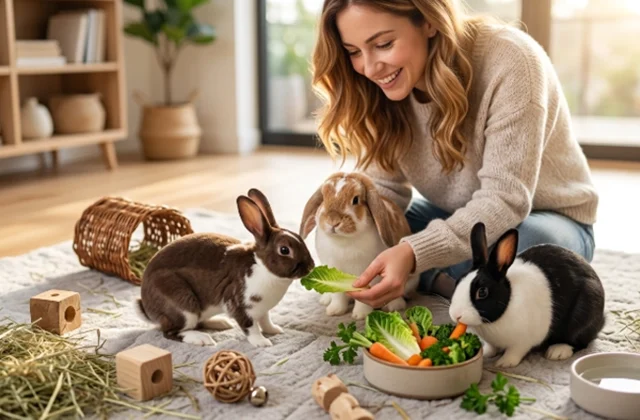
After hay, fresh vegetables become the next important part of the diet. The best fresh vegetables for rabbits are leafy greens that provide vitamins, minerals, and natural moisture without too much sugar. Romaine lettuce is an excellent everyday choice because it contains useful nutrients while being gentle on the digestive system. Other healthy vegetables include coriander, cilantro, parsley, basil, dill, bok choy, mint, celery leaves, green leaf lettuce, and spring greens. Offering different vegetables throughout the week gives your rabbit a wider range of nutrients and prevents meals from becoming boring.
Some vegetables should only be fed occasionally. Spinach and kale, for example, contain higher levels of calcium and oxalates. They aren’t dangerous, but feeding them every day isn’t recommended. A varied diet is usually the healthiest approach. Whenever introducing a new vegetable, start with a small amount and observe your rabbit for the next day. Every rabbit is slightly different, and slow introductions help prevent digestive upset. Fresh vegetables should always be washed thoroughly before serving. Clean food reduces the risk of bacteria and pesticides reaching your rabbit.
Choosing Safe Rabbit Foods Every Day
One of the easiest ways to keep your rabbit healthy is choosing safe rabbit foods that closely match its natural diet. Think simple rather than fancy. Rabbits don’t need colorful processed treats or sugary snacks sold in attractive packaging. Most of those products offer very little nutritional value compared with fresh hay and leafy greens. Natural herbs such as basil, parsley, mint, and dill make excellent additions because they add variety while remaining healthy. Small amounts of vegetables combined with unlimited hay create a diet that closely resembles what wild rabbits naturally eat.
Many owners are surprised to learn that rabbits often prefer simple foods over expensive commercial treats. Give a rabbit the choice between fresh hay and a sugary snack, and many healthy rabbits will happily spend hours chewing hay instead.
The more natural the diet becomes, the easier it is to maintain healthy digestion, healthy teeth, and a healthy body condition. That’s exactly why understanding what do rabbits eat daily is one of the most valuable things any rabbit owner can learn.
Rabbit Feeding Schedule for a Healthy Routine
A proper rabbit feeding schedule doesn’t have to be difficult. Rabbits naturally eat many small meals throughout the day instead of one or two large ones. If you watch a healthy rabbit, you’ll notice it eats a little hay, rests for a while, explores its surroundings, then comes back to eat again. That’s completely normal. Hay should always be available because it is the foundation of a healthy diet. Your rabbit should never run out of fresh hay. Every morning, replace old or dirty hay with a fresh supply so it stays clean and appealing.
Fresh vegetables can be offered once or twice a day. Many rabbit owners like serving leafy greens in the morning and again during the evening when rabbits are naturally more active. Sticking to the same routine each day helps rabbits feel comfortable because they quickly learn when feeding time arrives.
Quality rabbit pellets should only be given in small amounts. They are meant to support the diet, not replace hay. Feeding too many pellets often causes rabbits to ignore hay, and that can lead to digestive and dental problems over time. Fresh water should be available all day. Check the bowl or bottle daily because rabbits drink more than many people expect, especially during warmer months.
Feeding Baby Rabbits and Adult Rabbits
One mistake many new owners make is feeding every rabbit the same way. A baby rabbit has different nutritional needs than a healthy adult. Young rabbits need extra nutrients while they are growing. They usually eat alfalfa hay because it contains more protein and calcium than timothy hay. As they mature, their diet should gradually change to grass hay such as timothy or orchard grass.
Adult rabbits need much more fiber than protein. Unlimited grass hay becomes the most important part of every meal, while pellets should be reduced to a measured amount based on body weight. Senior rabbits may also need small adjustments if they develop dental issues or other health conditions. Regular veterinary check-ups help ensure their diet continues to meet their changing needs.
Foods You Should Never Feed Your Rabbit
Learning what do rabbits eat daily also means understanding which foods should stay completely off the menu. Many foods that are perfectly safe for people can seriously harm rabbits. Chocolate, onions, garlic, bread, dairy products, biscuits, chips, processed snacks, sugary cereals, cakes, and cooked foods should never be offered.
One of the biggest myths involves carrots. Rabbits love carrots, but they contain natural sugar and should only be given as an occasional treat rather than an everyday food. Iceberg lettuce is another common mistake. Although it looks similar to healthier leafy greens, it contains very little nutrition and may upset sensitive digestive systems. When choosing safe rabbit foods, always ask yourself one simple question. Would a wild rabbit naturally find this food growing outdoors? If the answer is no, it’s probably not the best choice.
Common Feeding Mistakes New Rabbit Owners Make
Almost every rabbit owner makes a few mistakes at the beginning. The important thing is learning from them before they affect your rabbit’s health. The most common mistake is feeding too many pellets and not enough hay. Rabbits may happily eat pellets first because they are concentrated and tasty, but their digestive system depends on fiber from hay. Another mistake is changing foods too quickly. Introducing several new vegetables at once can upset digestion and makes it impossible to know which food caused the problem.
Some owners also give too many fruit treats because rabbits seem to enjoy them. Fruit should remain an occasional reward rather than a daily habit. Ignoring your rabbit’s eating habits is another mistake. Healthy rabbits eat frequently. If your rabbit suddenly stops eating, refuses hay, or produces fewer droppings, don’t wait. Loss of appetite can become an emergency very quickly, and prompt veterinary care is extremely important.
Seasonal Feeding Tips
Your rabbit’s diet may need small adjustments throughout the year.During summer, rabbits often enjoy vegetables with a higher water content because they help maintain hydration. Always provide fresh, cool drinking water and replace it several times a day if temperatures are high.
In winter, rabbits usually spend more time eating hay to help maintain body warmth. Make sure fresh hay is always available, especially if your rabbit lives outdoors in a safe enclosure. Regardless of the season, avoid sudden dietary changes. Slow adjustments are always safer for a rabbit’s sensitive digestive system.
How to Know Your Rabbit Is Eating Well
A healthy rabbit usually gives several signs that its diet is balanced. It eats hay regularly throughout the day, produces firm round droppings, drinks water normally, maintains a healthy body weight, and remains curious about its surroundings. The coat should feel soft, clean, and shiny, while the eyes stay bright and alert.
One small habit can make a big difference. Spend a minute or two watching your rabbit during feeding time every day. You’ll quickly learn what’s normal. If something changes, you’ll notice it much earlier, and early action often prevents bigger health problems.
Final Thoughts
Understanding what do rabbits eat daily is one of the most valuable things you can learn as a rabbit owner. A simple diet built around unlimited hay, fresh leafy vegetables, measured pellets, clean water, and other safe rabbit foods supports healthy digestion, strong teeth, and a long, active life.
Following a consistent rabbit feeding schedule also helps rabbits feel secure because they enjoy routine. As your rabbit grows, continue offering a variety of fresh vegetables for rabbits while avoiding processed treats and sugary foods. Small daily habits often have the biggest impact on long-term health.
At Petcentric, our goal is to make rabbit care simple, practical, and trustworthy. When you understand your rabbit’s nutritional needs and provide fresh, natural food every day, you’re giving your furry companion the best chance to live a healthy and happy life.
Frequently Asked Questions
1. What do rabbits eat daily?
Rabbits should eat unlimited grass hay every day, along with fresh leafy vegetables, a small amount of quality pellets, and unlimited clean drinking water.
2. What are the best fresh vegetables for rabbits?
Romaine lettuce, parsley, cilantro, coriander, basil, dill, bok choy, celery leaves, mint, and green leaf lettuce are among the healthiest fresh vegetables for rabbits.
3. How often should I feed my rabbit?
Hay should always be available. Fresh vegetables are usually offered once or twice daily, while pellets should be provided in measured amounts according to your rabbit’s age and weight.
4. Can rabbits eat carrots every day?
No. Carrots contain natural sugar and should only be offered occasionally as a treat. Hay and leafy greens should make up the majority of the daily diet.
5. What foods are dangerous for rabbits?
Avoid chocolate, onions, garlic, bread, dairy products, processed snacks, sugary treats, cooked foods, and anything not considered a safe rabbit food by rabbit nutrition experts.