Why Every Owner Needs Rabbit Cage Setup Ideas
Have you ever brought a rabbit home and thought, “This cage should be enough”? Most people do. I honestly felt the same when I first started learning about rabbit care. Then you watch a rabbit for a few days. It doesn’t just sit there. It runs, stretches, digs at blankets, hides under boxes, and suddenly […]
Have you ever brought a rabbit home and thought, “This cage should be enough”? Most people do. I honestly felt the same when I first started learning about rabbit care. Then you watch a rabbit for a few days. It doesn’t just sit there. It runs, stretches, digs at blankets, hides under boxes, and suddenly races across the room for no reason at all. That’s when you realize something important. A rabbit doesn’t simply need a cage. It needs a place that feels like home.
Good rabbit cage setup ideas are not about buying expensive accessories. They are about giving your rabbit enough room to live naturally. A well-planned home keeps your pet active, reduces stress, and even helps prevent health problems. Small changes can make a surprising difference.
If you’re planning an indoor rabbit cage setup or thinking about improving your rabbit’s current home, this guide will help you understand what really matters. These are practical ideas that many experienced rabbit owners use every day, and they’re easy enough for beginners too.
A Rabbit’s Home Should Feel Safe, Not Restrictive
One thing people often misunderstand is the word “cage.” A rabbit shouldn’t spend its whole life inside a small enclosure. Think of the cage as a safe base where your rabbit eats, sleeps, and relaxes. The rest of the day, it should have opportunities to move around in a secure environment.
Rabbits are naturally curious animals. In the wild they travel long distances while searching for food and safe places to hide. Even domestic rabbits still have those same instincts. When their space is too small, they can become bored or frustrated. Some begin chewing cage bars. Others stop being playful altogether.
This is exactly why rabbit cage setup ideas are so important. They focus on creating comfort instead of simply containing your pet. A happy rabbit usually explores. It stretches out to sleep. It plays with toys. Those little behaviors tell you that your rabbit feels safe.
Why the Right Rabbit Living Space Matters
Your rabbit depends on you for everything. Food, water, comfort, exercise, and safety all come from the environment you create. A proper rabbit living space supports both physical and mental health. Rabbits that have enough room to hop and explore often stay more active. Regular movement helps keep their muscles strong and reduces the risk of obesity, which is becoming more common in pet rabbits.
Mental health matters too. Imagine sitting in one small room every day without anything new to do. Most people would get bored very quickly. Rabbits feel something similar. They enjoy discovering new objects, chewing safe materials, and exploring different corners of their home. That’s why even simple additions like cardboard tunnels or untreated wooden toys can completely change how your rabbit spends its day. I’ve seen rabbits ignore expensive toys while happily playing inside an old cardboard box for hours. Funny, but completely normal.
Planning an Indoor Rabbit Cage Setup
A successful indoor rabbit cage setup begins before you even place the cage inside your home. Start by choosing a quiet location where your rabbit can still see family members during the day. Rabbits are social animals. They enjoy being around people, but they also appreciate calm surroundings where they can relax without constant noise.
Avoid placing the cage beside speakers, televisions, heating vents, or windows with direct afternoon sunlight. Rabbits are sensitive to heat, and loud sounds may cause unnecessary stress. The floor should stay dry and stable. If your rabbit slips while hopping, it may become nervous about moving around. Good planning doesn’t cost extra money. It simply means thinking about your rabbit’s daily comfort before setting everything up.
Size Is One of the Biggest Factors
One of the most common mistakes new owners make is buying a cage that looks large in the store but feels tiny once the rabbit moves in.Your rabbit should be able to stand upright without touching the roof. It should stretch fully, turn around easily, and hop several times inside the enclosure. A cage that’s too small doesn’t encourage natural behavior.
When people search for the best rabbit cage setup ideas, they often focus on decorations first. In reality, space should always come before accessories. A larger enclosure with fewer decorations is almost always better than a small cage filled with toys. Movement is part of a rabbit’s everyday life. Never treat it like an optional luxury.
Every Rabbit Needs a Comfortable Rabbit Sleeping Area
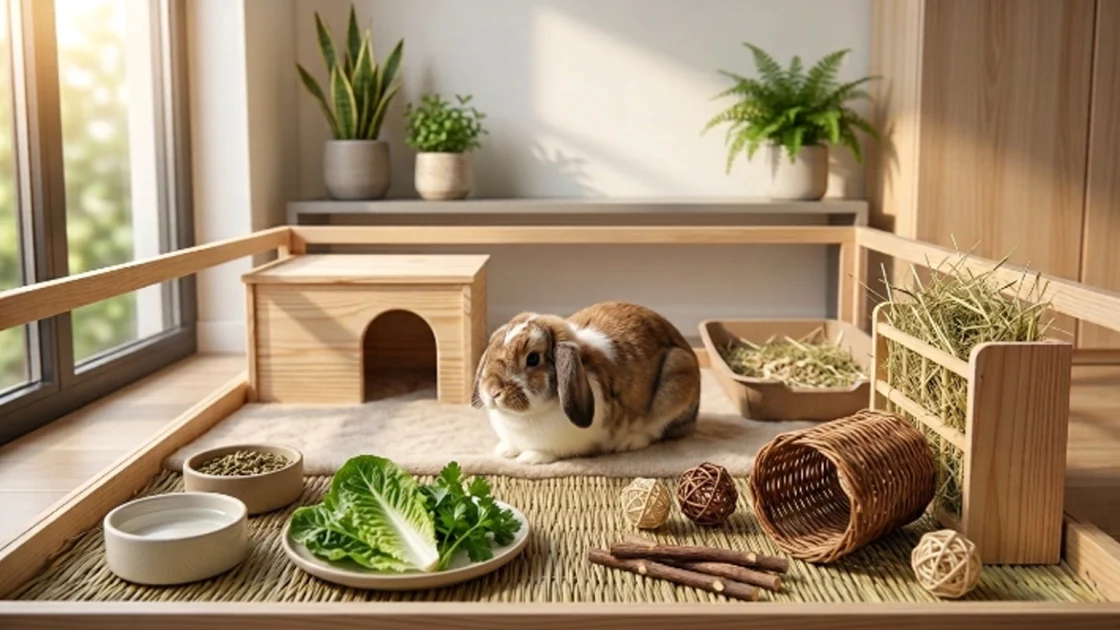
Rabbits sleep several times throughout the day. They don’t always sleep for long periods, but they do enjoy peaceful naps in quiet places. Creating a dedicated rabbit sleeping area helps your pet feel protected. This space doesn’t need to be fancy. A wooden hideout, a soft resting mat, or even a sturdy cardboard house can become your rabbit’s favorite place.
Keep this area away from food bowls and litter trays. Rabbits naturally prefer separate spaces for eating, resting, and using the bathroom whenever possible. One thing I’ve noticed is that rabbits often choose the same sleeping corner every day. Once they find a place where they feel secure, they rarely change it unless something disturbs them. That’s why keeping their resting area consistent helps reduce stress.
Don’t Forget the Rabbit Play Area
This is where many owners see the biggest improvement. A dedicated rabbit play area allows your rabbit to run, jump, stretch, and explore safely outside the cage. It doesn’t have to be an entire room. Even an exercise pen connected to the enclosure can provide enough space for healthy daily activity. Inside the play area, add cardboard tunnels, untreated wooden chew toys, paper bags filled with hay, and small hiding boxes. Change a few toys every week instead of buying new ones constantly.
Rabbits enjoy variety more than expensive products. You’ll probably smile the first time your rabbit suddenly runs across the floor, jumps into the air, and twists its body before landing. Rabbit owners call this a “binky.” It’s one of the clearest signs that your pet feels happy and comfortable. A good rabbit play area gives them the confidence to express those natural behaviors every single day.
Small Details Create the Best Rabbit Cage Setup Ideas
Many people believe creating the best rabbit cage setup ideas requires spending a lot of money. Honestly, it doesn’t. Fresh hay placed near the litter box, a heavy water bowl that won’t tip over, a soft resting mat, safe chew toys, and enough open space often matter far more than expensive decorations.
Simple changes usually have the biggest impact. When your rabbit can move freely, rest peacefully, and explore without feeling trapped, you’ll notice a difference in its behavior. It becomes more confident. More curious. More playful. And that’s exactly what every rabbit owner wants to see.
Create a Feeding Area That Feels Natural
Food is one of the most important parts of any rabbit’s day, so the feeding area deserves a little extra thought. Many owners place bowls wherever there is space, but a better setup makes eating easier and keeps the cage cleaner. Fresh hay should always be available because it is the main part of a rabbit’s diet. A hay rack placed beside the litter box works well since rabbits naturally like to eat while using the toilet. It sounds strange at first, but you’ll notice how quickly they get used to this routine.
Keep fresh water in a heavy ceramic bowl instead of a lightweight plastic dish. Many rabbits drink more water from bowls because they feel natural to use. Clean the bowl every day, even if it still looks clean. A well-planned feeding corner becomes an important part of the rabbit living space and encourages healthy daily habits.
Keep the Rabbit Living Space Clean
No rabbit enjoys living in a dirty environment, and honestly, neither would we. Cleaning doesn’t have to be difficult. Remove soiled bedding every day, refill fresh hay, and wipe away any spilled food or water. A quick daily clean only takes a few minutes but makes a big difference.
Once a week, do a deeper clean by washing food bowls, replacing bedding, and wiping down the enclosure with a rabbit-safe cleaner. Avoid strong chemicals because rabbits have sensitive noses. A clean rabbit living space helps reduce odors, lowers the risk of bacteria, and keeps your rabbit comfortable all year round. You’ll probably notice your rabbit becoming more relaxed after cleaning. Many rabbits even start exploring the cage again as if it’s a brand-new place.
Give Your Rabbit Something to Do
People often think rabbits only need food and water. They actually need entertainment too. Without mental stimulation, rabbits can become bored. Some chew furniture. Others dig at carpets or cage corners simply because they have nothing else to do. This is where enrichment becomes important.
Simple cardboard boxes, untreated willow balls, paper tubes stuffed with hay, and wooden chew sticks keep rabbits busy for hours. You don’t have to spend a fortune. In fact, some of the cheapest toys become their favorites. Changing toys every few days also keeps the rabbit play area interesting. New smells and different objects encourage curiosity and natural behavior. Think of it this way. A rabbit that has things to explore is usually a happier rabbit.
Make Safety Part of Every Rabbit Cage Setup
Safety should never be an afterthought. Rabbits love chewing. Unfortunately, they don’t know the difference between a safe toy and an electrical cable. If your rabbit spends time outside its enclosure, cover exposed wires, remove poisonous houseplants, and block access to small spaces behind furniture.
Inside the cage, avoid sharp edges, loose strings, treated wood, or plastic toys that can break into small pieces. The best rabbit cage setup ideas always put safety before appearance. A beautiful cage means very little if it contains something dangerous.
Let Your Rabbit Have a Daily Routine
One thing I’ve noticed is that rabbits enjoy predictable routines. Feed them at roughly the same time each day. Clean the cage regularly. Allow exercise during similar hours whenever possible. Rabbits quickly learn daily habits.
Some even wait by the cage door when they know it’s time for play. Keeping a routine reduces stress and helps your rabbit feel secure inside its indoor rabbit cage setup. Consistency often matters more than perfection.
Common Mistakes That New Owners Make
Almost every rabbit owner makes a few mistakes in the beginning. That’s completely normal. One of the biggest mistakes is choosing a cage that is too small. Another is expecting the rabbit to stay inside all day without exercise. Some owners forget to create a proper rabbit sleeping area, so the rabbit struggles to find a quiet place to rest. Others overcrowd the enclosure with toys until there is barely enough room to hop around.
A common mistake is also placing the cage in direct sunlight or near loud televisions. Rabbits can become stressed more easily than many people expect.Learning from these mistakes early helps create a much healthier home.
Small Improvements Can Change Everything
You don’t always need to replace the entire cage. Sometimes adding a larger litter tray, a cardboard tunnel, a soft resting mat, or extending the exercise area is enough to transform your rabbit’s day.
Many owners are surprised by how much more active their rabbit becomes after creating a bigger rabbit play area. I’ve seen shy rabbits become confident within a few weeks simply because they finally had enough room to explore. Little improvements often bring the biggest results.
Every Rabbit Is Different
Something worth remembering is that no two rabbits behave exactly the same. Some love climbing onto platforms. Others prefer hiding inside tunnels. One rabbit may spend hours chewing wooden toys, while another ignores them completely and chooses cardboard instead. Watch your rabbit carefully.
Their behavior will tell you what they enjoy. The best rabbit cage setup ideas are never copied exactly from someone else’s home. They are adjusted to match your rabbit’s personality, habits, and daily routine. That’s what makes a truly comfortable home.
Final Thoughts
Building the perfect rabbit home isn’t about buying the biggest cage or the most expensive accessories. It’s about understanding how rabbits naturally live and giving them enough room to express those behaviors every single day. Good rabbit cage setup ideas create a safe place where your rabbit can rest, eat, play, and feel completely comfortable. A thoughtful indoor rabbit cage setup, a spacious rabbit living space, a quiet rabbit sleeping area, and a fun rabbit play area all work together to improve your rabbit’s health and happiness.
If you take your time and make small improvements step by step, you’ll soon notice a more active, relaxed, and confident rabbit. That’s the goal every owner should have. At Petcentric, we believe that caring for a rabbit starts with creating a home that feels safe, comfortable, and natural. The best rabbit cage setup ideas are the ones that make life better for both you and your rabbit, and those thoughtful changes are always worth the effort.
Frequently Asked Questions
1. What are the best rabbit cage setup ideas for beginners?
The best rabbit cage setup ideas include a spacious enclosure, unlimited fresh hay, clean water, a litter box, a comfortable rabbit sleeping area, chew toys, and a secure rabbit play area where rabbits can exercise every day.
2. How big should an indoor rabbit cage setup be?
An indoor rabbit cage setup should allow your rabbit to stand upright, stretch fully, turn around easily, and hop several times. Daily exercise outside the enclosure is just as important as cage size.
3. How can I improve my rabbit living space?
You can improve your rabbit living space by adding hiding boxes, tunnels, safe chew toys, soft resting mats, and keeping the enclosure clean while giving your rabbit enough room to move freely.
4. Does every rabbit need a rabbit play area?
Yes. A rabbit play area gives rabbits the chance to run, jump, explore, and stay mentally stimulated. Regular exercise helps prevent boredom, obesity, and unwanted behaviors.
5. Why is a rabbit sleeping area important?
A dedicated rabbit sleeping area gives your rabbit a quiet place to rest without disturbance. It helps reduce stress, supports better sleep, and makes your rabbit feel safe in its environment.