How to Acclimate New Freshwater Fish
Bringing new fish home is always exciting. You carefully select healthy fish, prepare your aquarium, and imagine watching them explore their new environment. But before releasing them into the tank, there is one important step you should never ignore: acclimation. New freshwater fish experience a sudden change in their surroundings when moving from a pet […]
Bringing new fish home is always exciting. You carefully select healthy fish, prepare your aquarium, and imagine watching them explore their new environment. But before releasing them into the tank, there is one important step you should never ignore: acclimation.
New freshwater fish experience a sudden change in their surroundings when moving from a pet store or shipping bag into your aquarium. Water temperature, pH, hardness, and other water conditions may be different. Even when your aquarium looks perfectly healthy, these changes can put considerable stress on newly purchased fish.
Learning how to acclimate fish properly helps reduce temperature shock, water chemistry stress, and unnecessary handling. It also gives your new aquatic pets a better chance of settling into their new home.
Whether you are introducing guppies, tetras, bettas, goldfish, or other freshwater species, the process matters. Some fish tolerate environmental changes better than others, but every new arrival deserves a careful introduction.
In this guide, we will explain the floating bag method, drip acclimation, acclimating fish after shipping, and common mistakes to avoid. Let’s get started.
Why Is Fish Acclimation Important?
Fish are sensitive to changes in their aquatic environment. Their bodies constantly interact with the surrounding water, meaning sudden changes in temperature and water chemistry can affect their ability to maintain normal body functions.
For example, imagine bringing home a bag of neon tetras during a cold afternoon. The aquarium water may be several degrees warmer than the water inside the transport bag. Releasing the fish immediately exposes them to a sudden temperature change.
This can cause temperature shock and increase stress.
Acclimation allows fish to adjust gradually to their new surroundings. It is particularly important when the aquarium and transport water have different pH levels, mineral concentrations, or temperatures.
Another important factor is ammonia. During transportation, fish release waste into a small amount of water. Ammonia can accumulate inside the sealed bag. Once the bag is opened, the water chemistry changes, potentially increasing the proportion of toxic un-ionized ammonia.
This is why simply leaving a fish in an opened bag for a long time is not always safe.
Proper acclimation is not just about making fish comfortable. It is about reducing avoidable risks during one of the most stressful stages of aquarium ownership.
How to Acclimate Fish Safely: Step-by-Step Guide
There are two common approaches to introducing new fish to an aquarium: floating bag acclimation and drip acclimation.
The right method depends on the fish species, transportation time, and differences in water conditions.
Before starting, make sure your aquarium is fully cycled, stable, and suitable for the species you are introducing.
1. Turn Off the Aquarium Lights
Start by dimming or switching off the aquarium lights. Bright lighting can make newly transported fish feel exposed, especially after spending hours inside a dark shipping container.
A quieter environment helps them settle down.
Avoid tapping the glass, making sudden movements, or disturbing existing fish. If possible, choose a time when the aquarium is relatively calm.
2. Check the Aquarium Water Temperature
Before opening the transport bag, check your aquarium temperature using a reliable aquarium thermometer.
Different freshwater species have different temperature requirements. Tropical fish generally need warmer water than many coldwater species.
For example, many commonly kept tropical community fish do well around 24–27°C, although individual species have their own requirements.
The goal is not to use one temperature for every fish. Instead, make sure your aquarium is already within the recommended range for the species you purchased.
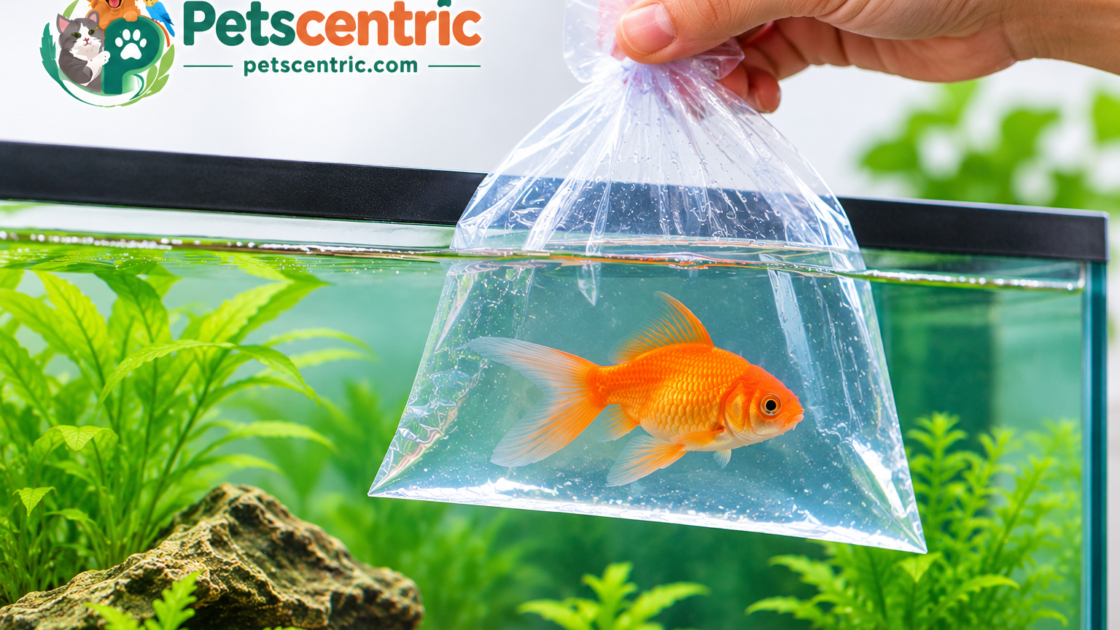
3. Float the Sealed Fish Bag
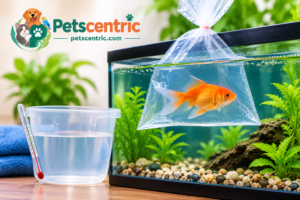
One of the easiest ways to begin acclimating freshwater fish is by floating their sealed transport bag in the aquarium.
Keep the bag closed and gently place it on the water surface. Make sure it cannot tip over or allow aquarium water to enter.
Leave it floating for approximately 15–20 minutes, depending on the temperature difference and the supplier’s instructions.
This allows the water inside the bag to gradually approach the aquarium temperature.
Do not open the bag immediately. The sealed water helps maintain its original chemistry during this initial temperature adjustment.
4. Gradually Introduce Aquarium Water
After temperature adjustment, you can consider gradually mixing aquarium water with the transport water if the fish and transport conditions make this appropriate.
Open the bag carefully and add a small amount of aquarium water. Repeat at short intervals while monitoring the fish.
However, there is an important precaution.
If fish have been transported for a long time, especially in sealed shipping bags, do not leave them sitting in opened transport water for an extended period. Accumulated ammonia can become more dangerous after opening.
For fish arriving after prolonged shipping, transferring them promptly into a separate acclimation container and using an appropriate procedure is often safer than extending the floating process.
5. Transfer Fish Without Adding Transport Water
Once the fish have completed the appropriate acclimation process, gently transfer them into the aquarium.
Use a soft aquarium net or another suitable transfer method.
Avoid pouring the entire transport bag into your tank. Store water may contain excess waste, medications, pathogens, or unwanted organisms.
Keep handling to a minimum. Fish are easily stressed during transportation, so gentle movements make a difference.
After releasing them, leave the aquarium lights off for several hours and allow the fish to explore their new environment.
Float Fish Bag Acclimation vs. Drip Acclimation
Both methods are commonly used in freshwater aquariums, but they serve slightly different purposes.
Float Bag Acclimation
Float fish bag acclimation is primarily used to equalize temperature between the transport water and aquarium water.
It is relatively simple and works well for many healthy freshwater fish arriving after short transportation.
However, floating a bag does not automatically adjust pH, hardness, or other water parameters. It only helps with temperature adjustment.
For this reason, temperature matching and water chemistry adjustment should be considered separately.
Drip Acclimation for Freshwater Fish
Drip acclimation freshwater fish owners use involves slowly introducing aquarium water into a separate container holding the fish.
A small airline tube is commonly used to create a controlled stream of water.
This method allows gradual adjustment to differences in water chemistry, including pH and mineral content.
It can be useful for sensitive fish or species arriving from water conditions that differ significantly from the aquarium.
However, drip acclimation is not automatically safer in every situation. If the original transport water contains accumulated ammonia, extending exposure can increase risk.
For long-shipped fish, follow the supplier’s specific instructions and use a safe transfer procedure rather than assuming a prolonged drip is always best.
How to Acclimate Fish After Shipping
Fish purchased online may spend several hours or even days inside transport bags. Their situation is different from fish brought home from a nearby aquarium store.
During transportation, oxygen availability, waste accumulation, and temperature fluctuations can affect their condition.
Acclimating fish after shipping therefore requires extra attention.
When the package arrives, inspect the outer packaging for leaks or unusual temperature conditions. Open the shipping package promptly and examine the fish without unnecessary delays.
Check whether the fish are swimming normally, breathing heavily, lying on their sides, or showing signs of injury.
For long-distance shipments, follow the seller’s acclimation instructions carefully. Many professional fish suppliers use sealed bags with controlled oxygen conditions, and their recommended transfer procedure may differ from ordinary store-bought fish.
Avoid leaving shipping bags open while deciding what to do next. Once opened, their water chemistry can change quickly.
If fish appear severely distressed or unresponsive, avoid adding unnecessary handling stress and seek advice from an experienced aquatic professional.
Preparing Your Aquarium Before Introducing New Fish
Successful acclimation starts before the fish arrive.
Adding new fish to a cycled tank is important because an established biological filter contains beneficial bacteria that process toxic fish waste.
An aquarium that has not completed its nitrogen cycle may allow ammonia and nitrite to accumulate. These substances can seriously harm fish, even when the water looks clean.
Before introducing new arrivals, check your aquarium temperature and make sure it is appropriate for the species. The water should be stable, not recently adjusted with sudden temperature changes.
Ammonia and nitrite should be undetectable in a properly cycled aquarium. If either is present, investigate the cause before adding more fish.
You should also check pH and water hardness. Large differences between the transport water and aquarium conditions deserve attention, particularly for sensitive species.
Make sure the filter is running properly and providing suitable water movement. Good surface agitation helps maintain oxygen exchange.
Finally, consider your aquarium’s stocking level. Do not introduce too many fish at once. Overstocking can overwhelm the biological filter and create unstable water conditions.
Common New Fish Acclimation Mistakes to Avoid
Even experienced aquarium owners sometimes make mistakes when introducing new arrivals. Most problems happen because the process is rushed or the transport water is handled incorrectly.
One common mistake is releasing fish immediately after opening the bag. Temperature differences alone can cause unnecessary stress.
Another problem is leaving fish inside opened transport water for too long. This is especially risky after prolonged shipping because ammonia toxicity can increase as the water chemistry changes.
Some beginners also assume that drip acclimation is always necessary. In reality, the best method depends on transportation conditions, species sensitivity, and differences in water chemistry.
Adding transport water directly to the aquarium is another mistake worth avoiding. It may introduce unwanted organisms or substances into an established tank.
Finally, never introduce new fish into an aquarium with detectable ammonia or nitrite. A beautiful-looking tank is not necessarily a biologically stable one.
What to Do After Introducing New Fish to Your Aquarium
The first 24–48 hours are important. Your new fish need time to adjust to their surroundings, locate hiding places, and become familiar with the other aquarium inhabitants.
Keep the aquarium lighting subdued during the initial hours. Avoid unnecessary maintenance, rearranging decorations, or chasing fish with a net.
Watch their swimming patterns and breathing. Some hiding is normal, particularly for shy species. However, persistent gasping, loss of balance, or unusual swimming should not be ignored.
Do not immediately offer large meals. Once the fish appear settled and are swimming normally, offer a small amount of appropriate food.
Continue monitoring ammonia and nitrite during the following days, particularly if you have added several fish or increased the aquarium’s stocking level.
A quarantine aquarium is also a valuable part of responsible fishkeeping. Ideally, new arrivals should be observed separately for a suitable quarantine period before joining established fish. This helps identify possible infections and parasites before they spread.
Conclusion
Learning how to acclimate fish is one of the most important skills for maintaining a healthy freshwater aquarium. A gradual, species-appropriate introduction helps reduce temperature shock, water chemistry stress, and unnecessary handling.
For many short-transported freshwater fish, floating the sealed bag is a useful first step. More sensitive fish may benefit from carefully managed drip acclimation, while fish arriving after prolonged shipping need special attention to ammonia buildup.
Remember, successful fishkeeping is not just about choosing beautiful fish or maintaining a clean tank. It is about providing a stable environment where aquatic pets can thrive.
At Petscentric, we believe every fish deserves a safe and comfortable start in its new home. Take your time, monitor your aquarium conditions, and never rush the introduction process. A little patience today can make a big difference to your fish’s health tomorrow.
Frequently Asked Questions (FAQs)
1. How long should I acclimate new freshwater fish?
For many freshwater fish arriving after short transportation, temperature adjustment usually takes around 15–20 minutes. Additional water chemistry adjustment may be appropriate depending on the species and transport conditions. Avoid unnecessarily extending exposure to opened transport water.
2. Is floating the fish bag enough for acclimation?
Floating the sealed bag helps equalize water temperature, but it does not fully adjust other parameters such as pH and hardness. Depending on the fish and transportation conditions, additional acclimation may be necessary.
3. Should I turn off aquarium lights when adding new fish?
Yes. Keeping aquarium lights off during the initial introduction can help reduce visual stimulation and stress. You can gradually return to your normal lighting schedule once the fish have settled.
4. Can I put new fish directly into an established aquarium?
It is better to acclimate new arrivals rather than releasing them immediately. Also, ensure the aquarium is fully cycled and consider quarantining new fish before introducing them to established tank inhabitants.
5. Is drip acclimation better than floating the bag?
Neither method is universally better. Floating helps with temperature adjustment, while drip acclimation gradually changes water chemistry. The appropriate choice depends on the fish species, shipping duration, and differences between the two water environments.