Cat Eye Infection Treatment and Prevention Guide
Seeing your cat with watery, red, or sticky eyes can be worrying. One day everything seems normal, and the next your cat is squinting or rubbing its face against the furniture. Many owners think it’s just a little irritation that will disappear on its own. Sometimes it does. But in many cases, an untreated eye […]
Seeing your cat with watery, red, or sticky eyes can be worrying. One day everything seems normal, and the next your cat is squinting or rubbing its face against the furniture. Many owners think it’s just a little irritation that will disappear on its own. Sometimes it does. But in many cases, an untreated eye infection can become much more serious. Cats depend on healthy eyesight to explore, play, hunt, and feel safe. Even a mild eye infection can cause discomfort and affect their daily life. That’s why understanding cat eye infection treatment is so important. The sooner you recognize the signs and take the right steps, the better the chances of a quick recovery.
This guide explains everything you need to know in simple language. We’ll cover the common causes, symptoms, treatment options, and practical ways to prevent future eye problems. Whether you own a playful kitten or an older cat, these tips can help you make informed decisions about your pet’s eye health.
Why Eye Health Matters More Than Many Owners Realize
A cat’s eyes are delicate. Small problems can become bigger ones if they’re ignored for too long. Healthy eyes should look bright, clear, and free from swelling or discharge. When bacteria, viruses, allergies, or injuries affect the eye, inflammation develops quickly. That inflammation causes pain, excessive tearing, redness, and sometimes blurred vision.
Many eye infections are easy to treat when caught early. Delaying treatment, however, may lead to corneal ulcers, chronic infections, or even permanent vision loss in severe cases. Paying attention to changes in your cat’s eyes isn’t being overly cautious. It’s simply good pet care.
What Causes Eye Infections in Cats?
Eye infections don’t always happen for the same reason. Several different conditions can produce similar symptoms, which is why proper diagnosis is important before starting any medication.
Bacterial Infections
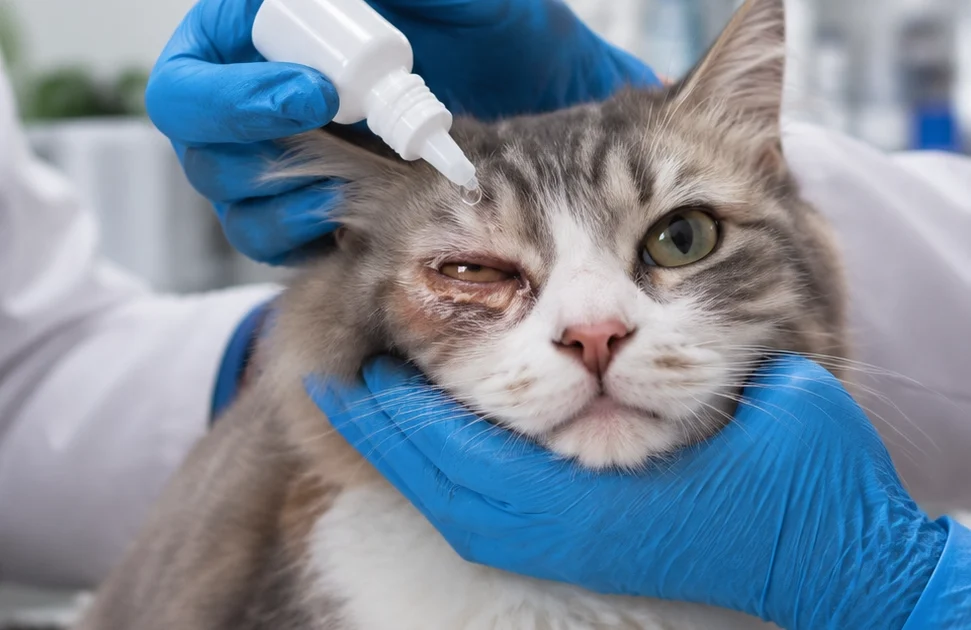
Bacteria are one of the most common causes of infected eyes. These infections often produce thick yellow or green discharge along with redness and swollen eyelids. With prompt veterinary care, bacterial infections usually respond well to antibiotic medication and appropriate eye drops for cat eye infection.
Viral Infections
Viruses, especially feline herpesvirus, are another major cause of recurring eye problems. A cat infected with feline herpesvirus may experience occasional flare-ups during periods of stress or illness. Although the virus often remains in the body for life, proper management can help reduce future outbreaks.
Eye Injuries
Cats are naturally curious. They climb, chase, and sometimes fight with other animals. Small scratches from branches, claws, or rough play can damage the eye and allow bacteria to enter. Even tiny injuries deserve attention because they can become infected surprisingly quickly.
Allergies and Environmental Irritants
Not every red eye is caused by infection. Dust, smoke, pollen, perfumes, household cleaning products, and even certain litters may irritate sensitive eyes. Allergies often create watery eyes that look similar to an infection, making professional examination valuable.
Common Signs of a Cat Eye Infection
Cats rarely cry or complain when something hurts. Instead, they show subtle changes in behavior. You may notice your cat blinking more than usual or keeping one eye partly closed. Some cats begin rubbing their face against furniture because the eye feels itchy or painful.
Other common symptoms include:
- Clear, yellow, or green eye discharge
- Red or bloodshot eyes
- Puffy eyelids
- Excessive tearing
- Squinting
- Frequent pawing at the eye
- Cloudy appearance
- Sensitivity to light
If these symptoms continue for more than a day or become worse, don’t ignore them. Early cat eye infection treatment often prevents more serious complications.
Why Early Treatment Makes a Difference
One mistake many owners make is waiting several days before taking action. It’s understandable. Sometimes a watery eye looks harmless. But infections can spread quickly. The cornea, which is the clear outer surface of the eye, is extremely sensitive. Ongoing infection may damage this tissue, making treatment longer and more complicated.
Starting the best treatment for cat eye infection early usually means:
- Less pain for your cat
- Faster healing
- Lower risk of permanent eye damage
- Reduced chance of the infection spreading
In most situations, acting early is always better than waiting.
How Veterinarians Diagnose Eye Infections
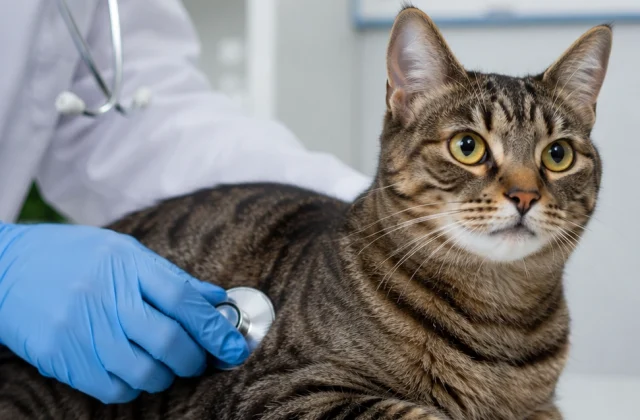
Many eye conditions look almost identical without a proper examination. Your veterinarian will first examine both eyes carefully. They may use a special light to check for scratches or ulcers and evaluate the amount and type of discharge. Sometimes a harmless fluorescent dye is placed on the eye. This helps reveal tiny injuries that can’t easily be seen with the naked eye.
If infections keep returning, your veterinarian may recommend additional testing to identify bacteria or viruses responsible for the problem. Finding the exact cause allows the veterinarian to recommend the most effective cat eye disease treatment rather than simply treating the symptoms.
How to Treat a Cat Eye Infection Safely
Many people search online wondering how to treat a cat eye infection at home.The first step is always keeping the eye clean. Use sterile saline solution or clean lukewarm water with a soft cotton pad to gently remove dried discharge. Always wipe from the inner corner of the eye toward the outside. Use a fresh cotton pad for each eye to prevent spreading bacteria. Avoid touching the eye directly or rubbing too hard. Never use leftover medication from another pet or human eye drops unless your veterinarian specifically recommends them. Some products designed for people can seriously damage a cat’s eyes.
When bacteria are responsible, veterinarians commonly prescribe antibiotic ointments or eye drops for cat eye infection. These medications should always be used exactly as directed, even if your cat appears to recover after only a few days. For viral infections, treatment often focuses on reducing inflammation, preventing secondary bacterial infections, and keeping the eye comfortable while it heals. Supportive care at home is equally important. Keeping your cat indoors during recovery reduces exposure to dust, wind, and other irritants that may slow healing.
Are Home Remedies Safe?
You’ll find hundreds of home remedies online. Some sound convincing. Others can actually make the problem worse. Cleaning around the eye with sterile saline is generally considered safe. Beyond that, it’s best to be cautious. Avoid placing tea bags, coconut oil, honey, vinegar, essential oils, or herbal mixtures directly into your cat’s eyes. These products have not been proven safe for treating eye infections and may increase irritation. When it comes to cat eye infection treatment, simple veterinary-approved care is almost always the safest option.
How Long Does It Take for a Cat Eye Infection to Heal?
One of the first things pet owners want to know is how long recovery will take. The truth is, there isn’t one answer because every cat is different. A mild bacterial infection may start improving within two or three days after the correct medication is started. Even if your cat looks much better, don’t stop the treatment early. The infection may not be completely gone, and stopping antibiotics too soon can allow it to return.
Viral eye infections usually take longer. Cats with feline herpesvirus, for example, may improve within a week or two but can experience occasional flare-ups later in life. Stress, illness, or changes in the environment sometimes trigger these episodes. Keep checking your cat’s eyes every day during recovery. Healthy eyes should gradually become brighter, with less redness and discharge. If the condition suddenly becomes worse, contact your veterinarian as soon as possible.
Simple Ways to Prevent Eye Infections
Good prevention doesn’t require expensive products. Small daily habits often make the biggest difference. Keep your cat’s bedding, food bowls, and litter area clean. A clean environment reduces the number of bacteria and other irritants your pet comes into contact with. If your cat spends time outdoors, take a quick look at its eyes after it comes inside. Tiny scratches or bits of grass can sometimes be removed before they become bigger problems.
Long-haired cats may need regular grooming around the face. Hair rubbing against the eyes can trap moisture and dirt, increasing the risk of irritation. Regular veterinary checkups are another important step. Many eye problems are easier to treat when they’re discovered early rather than after symptoms become severe. A balanced diet also supports your cat’s immune system. Healthy nutrition helps the body fight infections naturally and supports overall eye health.
Mistakes Many Cat Owners Make
Most people genuinely want to help their pets, but a few common mistakes can slow recovery. The biggest mistake is waiting too long. Many owners assume the redness will disappear on its own. Sometimes it does, but true infections usually need proper care. Another mistake is using leftover medication from an old prescription. The previous illness may have been caused by something completely different, so the medication may not work this time.
Some owners also use human eye drops without asking a veterinarian. This can be dangerous because certain ingredients that are safe for people may harm a cat’s eyes. Stopping medication early is another common problem. Even if the eye looks normal, bacteria may still be present. Always complete the full treatment exactly as directed. The best treatment for cat eye infection isn’t simply using strong medicine. It’s using the right medicine for the correct diagnosis.
When Should You Visit a Veterinarian Immediately?
Some eye problems require professional care without delay.
Contact your veterinarian if you notice:
- Your cat cannot open one or both eyes.
- The eye becomes cloudy or develops a blue-white appearance.
- Thick yellow or green discharge continues to increase.
- There is visible blood or an eye injury.
- Your cat seems to be in significant pain.
- Swelling becomes worse after starting treatment.
- Symptoms continue for more than 24–48 hours without improvement.
- Your cat stops eating or becomes unusually quiet.
Eyes are delicate organs. Prompt cat eye disease treatment can prevent permanent damage and protect your cat’s vision.
Caring for Your Cat During Recovery
Recovery is about more than medicine. A calm, comfortable environment helps your cat heal. Keep your cat indoors until the eye has fully recovered. Dust, wind, and bright sunlight may increase irritation. When cleaning around the eye, always wash your hands before and after. Use fresh cotton pads each time, especially if both eyes are affected.
If your veterinarian prescribes eye drops for cat eye infection, try giving them at the same time every day. Cats usually adapt to routines, making treatment less stressful over time. Offer plenty of fresh water and high-quality food during recovery. Proper hydration and nutrition support the immune system and help the body heal naturally. Most importantly, be patient. Some cats recover within a few days, while others need a little more time depending on the cause of the infection.
Can Eye Infections Return?
Yes, they can. Some cats experience recurring eye infections, particularly if they have feline herpesvirus, allergies, blocked tear ducts, or underlying immune system problems. If your cat develops repeated infections, your veterinarian may recommend additional tests to identify the underlying cause. Keeping up with routine checkups, maintaining good hygiene, and treating symptoms early can reduce the chances of future flare-ups. Many recurring problems can be successfully managed once the root cause is identified.
Final Thoughts
Eye infections are common, but they should never be ignored. A little redness or watery discharge may seem harmless at first, yet early care often makes the biggest difference. The sooner you recognize the signs and begin appropriate cat eye infection treatment, the better your cat’s chances of making a full recovery. If you’re unsure how to treat a cat eye infection, avoid experimenting with home remedies or human medications. Gentle cleaning, careful observation, and professional veterinary advice remain the safest approach. Every infection is different, which is why the best treatment for cat eye infection depends on the underlying cause rather than the symptoms alone.
Using the correct eye drops for cat eye infection, following the full treatment plan, and attending follow-up visits when necessary can help protect your cat’s eyesight for years to come. At Petcentric, we believe that informed pet owners make healthier choices for their companions. Our goal is to provide practical, trustworthy, and easy-to-understand information that helps you care for your pets with confidence. By understanding cat eye disease treatment, recognizing early warning signs, and focusing on prevention, you’re giving your cat the best chance to live a happy, healthy life.
Frequently Asked Questions
1. What is the most common cause of a cat eye infection?
The most common causes include bacterial infections, feline herpesvirus, allergies, eye injuries, and foreign objects that irritate the eye. A veterinary examination helps determine the exact cause.
2. Which eye drops are best for a cat eye infection?
The right eye drops for cat eye infection depend on the diagnosis. Antibiotic drops are commonly used for bacterial infections, while viral or allergic conditions may require different medications prescribed by a veterinarian.
3. Can a cat eye infection heal without treatment?
Minor irritation may improve on its own, but true infections usually require proper cat eye disease treatment. Delaying treatment can increase the risk of complications or damage to the eye.
4. How long does cat eye infection treatment usually take?
Most bacterial infections begin improving within a few days, while complete recovery often takes one to two weeks. Viral infections may require longer management depending on the individual cat.
5. How can I reduce the risk of future eye infections?
Regular grooming, a clean home environment, balanced nutrition, routine veterinary checkups, and early attention to eye irritation all help reduce the risk of future infections.