How to Make Healthy Homemade Cat Food Recipes at Home
The day I started reading the label on a bag of cat food, I realized something funny. I could pronounce the word “chicken,” but after that, most of the ingredient list looked like a chemistry lesson. Maybe you’ve had the same moment. You stand there in the pet store, comparing one bag with another, hoping […]

The day I started reading the label on a bag of cat food, I realized something funny. I could pronounce the word “chicken,” but after that, most of the ingredient list looked like a chemistry lesson. Maybe you’ve had the same moment. You stand there in the pet store, comparing one bag with another, hoping you’re making the right choice for your cat. That question has encouraged thousands of pet owners to explore homemade cat food recipes. Not because commercial food is always bad, but because people want to understand exactly what goes into their pet’s bowl. When you cook at home, there are fewer surprises. You buy the ingredients yourself, prepare them yourself, and know what your cat is eating every day.
Still, homemade food isn’t simply about boiling chicken and calling it dinner. Cats have nutritional needs that are very different from ours. They rely heavily on animal protein, and they also need vitamins, minerals, healthy fats, and nutrients like taurine that support their heart, eyesight, and overall health. Missing just one important nutrient over time can create health problems, even if the food looks fresh and healthy. That’s why learning a little before changing your cat’s diet is always worth the effort.
Why More Cat Owners Are Cooking at Home
A few years ago, homemade meals for pets were something only a small group of people talked about. Today it’s much more common. Owners are reading labels, asking questions, and paying closer attention to nutrition than ever before. Part of the reason is simple. People have become more careful about the food they eat themselves, so naturally they start thinking about their pets too.
Fresh ingredients also give owners a sense of confidence. Instead of wondering what “meat by-products” really mean, they can see fresh chicken, turkey, or fish in front of them. It feels more transparent, and for many families, that matters. Another reason is flexibility. Every cat has its own personality. Some eat almost anything, while others can reject a meal because it smells slightly different than yesterday. Preparing meals at home gives you the freedom to adjust ingredients without completely changing your cat’s diet. That doesn’t mean changing recipes every day. In fact, cats usually prefer consistency. Small improvements often work better than dramatic changes.
Understanding What a Healthy Cat Really Needs
One of the biggest myths on the internet is that cats only need meat. Meat is certainly the foundation of their diet, but it isn’t the whole story. Cats are obligate carnivores, which means animal protein should always come first. Chicken, turkey, rabbit, lean beef, and certain fish provide excellent sources of protein. Healthy fats give cats energy and help maintain soft skin and a shiny coat. Vitamins and minerals support everything from the immune system to healthy bones.
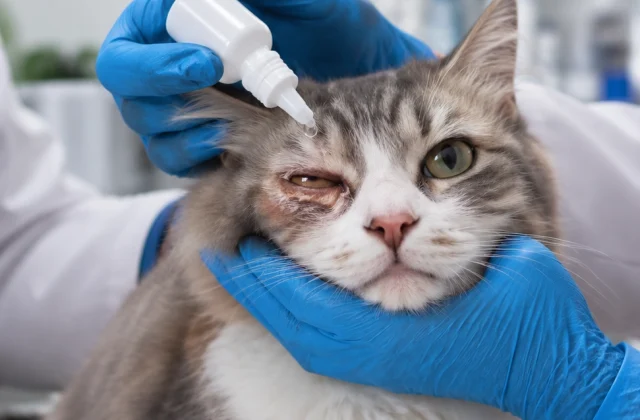
Then there’s taurine. This nutrient deserves special attention because cats can’t produce enough of it on their own. Without enough taurine, serious problems involving the eyes and heart can develop over time. It’s one of the reasons balanced homemade cat food recipes are much safer than feeding plain cooked meat every day. If you’re new to cooking for your cat, don’t feel overwhelmed. Nobody learns everything in a single afternoon. Most experienced pet owners started exactly where you are now, asking questions and trying to understand what actually makes a healthy meal.
Start Simple Instead of Complicated
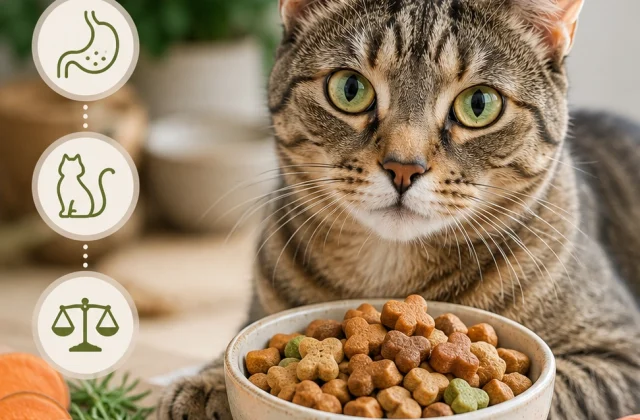
When people search for easy homemade cat food recipes, they often expect complicated cooking instructions or expensive ingredients. The reality is usually much simpler. A fresh piece of cooked chicken, prepared without salt, onions, garlic, or spices, is already a better starting point than many people imagine. Some balanced recipes also include cooked egg or small amounts of pumpkin, but the goal is never to create fancy dishes. The goal is to provide safe, nutritious meals that your cat enjoys eating.
One mistake I see quite often is owners trying too many recipes during the first week. Cats rarely like sudden changes. They appreciate routine. Introducing homemade meals slowly gives your cat time to adjust, and it also helps you notice which ingredients work best. You’ll probably discover something interesting along the way. Cats don’t always choose the meal that looks best to us. Sometimes they happily finish the simplest recipe in the kitchen while ignoring the one that took an hour to prepare. That’s just part of living with cats, and honestly, it’s one of the things that makes them so entertaining.
Building a Balanced Meal Without Making It Complicated
Once you understand the basics, cooking for your cat becomes much easier. You stop looking for complicated recipes and start focusing on good ingredients. That’s really where the difference is. A healthy homemade meal usually begins with fresh meat. Chicken is often the first choice because it’s lean, easy to digest, and available almost everywhere. Turkey is another excellent option, while lean beef or rabbit can be offered from time to time to add some variety. Some cats enjoy fish as well, but it shouldn’t become the only protein they eat because a balanced diet always includes variety.
Many people ask whether vegetables should be included. The answer depends on the recipe. Small amounts of cooked pumpkin can help support digestion, and a little cooked carrot may be added occasionally. These ingredients should never replace meat. They simply add a little extra fibre while keeping the meal gentle on the stomach. This is why many experienced owners prefer fresh cat food recipes. They aren’t trying to create fancy dishes. They’re simply preparing meals with ingredients they can recognize and trust.
Can You Really Make Homemade Dry Cat Food?
One question appears again and again in pet communities. Is homemade dry cat food actually possible? It is, but it’s much harder than most people expect. The crunchy food sold in stores is made using specialised equipment that controls moisture, texture, and nutrition. Doing the same thing in a home kitchen isn’t easy. Some people bake small meat biscuits using chicken, eggs, and a little oat flour. These can become a nice occasional treat, but they shouldn’t automatically replace your cat’s regular meals.
If you’re just beginning, I honestly think fresh food is the better place to start. It’s easier to prepare, easier to store, and much easier to balance properly. Once you become confident with homemade cooking, you can always learn more about preparing homemade dry food safely.
The Small Mistakes That Matter
Most mistakes happen because people genuinely want to do something good for their pets. A very common one is feeding only boiled chicken every day. Chicken is healthy, but it doesn’t provide every nutrient your cat needs. Over time, a diet like that can create nutritional deficiencies. Another mistake is adding seasonings. We naturally cook with salt, onions, garlic, and spices because that’s how we enjoy food. Cats don’t need any of those ingredients, and some of them can actually be dangerous.
Changing foods too quickly is another problem. Cats usually prefer gradual changes. Mixing a small amount of homemade food with their regular meals for several days gives them time to adjust without upsetting their stomach. Patience often works much better than rushing.
Keeping Homemade Food Fresh and Safe
Fresh food doesn’t contain the same preservatives found in many commercial products, so proper storage becomes part of the routine. After cooking, allow the food to cool before placing it into clean airtight containers. Meals normally stay fresh in the refrigerator for around three days. If you’re preparing food for the week, freezing individual portions is a practical solution. When it’s time to feed your cat, thaw the food inside the refrigerator instead of leaving it on the kitchen counter. It may take longer, but it’s much safer. If the food smells unusual or doesn’t look fresh anymore, it’s always better to prepare another meal. Cats depend on us to make those decisions for them.
Every Cat Will Teach You Something New
One thing I’ve learned from talking to cat owners is that every cat has its own habits. Some cats happily eat anything you prepare. Others inspect the bowl like food critics before deciding whether it’s acceptable. Sometimes they’ll ignore today’s favourite meal for no obvious reason. That’s perfectly normal.
After a few weeks, you’ll begin noticing little patterns. Maybe your cat likes softer food. Maybe slightly warm meals seem more appealing. Maybe chicken disappears first while turkey is left behind. These small observations help you prepare better meals without following every recipe exactly as it’s written. That’s one reason easy homemade cat food recipes become so popular. They give owners a simple starting point while allowing plenty of room to adjust meals according to each cat’s personality.
Healthy Food Is Only One Part of a Healthy Cat
Good food is important, but it isn’t the only thing that helps a cat live a long and happy life. Fresh drinking water should always be available, and regular play is just as valuable as a healthy meal. Even ten or fifteen minutes of play every day can help indoor cats stay active and maintain a healthy weight.
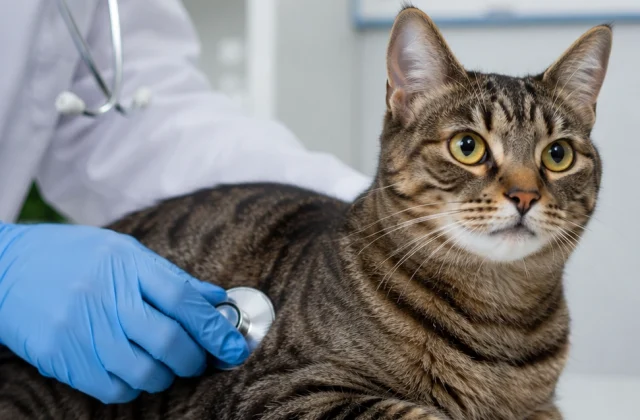
Routine veterinary checkups are equally important. Sometimes a cat may look completely healthy while quietly developing a nutritional deficiency or another medical problem. Regular visits make it easier to catch small issues before they become serious. If you’re planning to switch completely to homemade cat food recipes, it’s a good idea to discuss your meal plan with your veterinarian. That extra step gives you confidence that your cat is getting everything it needs.
Finding the Right Routine Takes Time
Don’t expect to become an expert during the first week. Every cat owner goes through a learning phase. You’ll probably change a recipe here and there, discover which ingredients your cat enjoys most, and slowly build a routine that works for both of you. Some cats love chicken from the very first day. Others seem to prefer turkey or fish. A few may refuse a new meal simply because it smells different. That’s part of living with cats, and honestly, it makes every cat unique. The best advice I can give is to stay patient. Small improvements made consistently are usually far more effective than trying to create the perfect diet overnight.
Final Thoughts
Making food for your cat is more than just cooking. It’s another way of caring for a member of your family. Once you understand your cat’s nutritional needs, preparing healthy meals becomes much less stressful than most people imagine. Whether you’re exploring homemade cat food recipes for the first time, looking for easy homemade cat food recipes, or wondering if homemade dry cat food is worth trying, always focus on quality instead of shortcuts. Fresh ingredients, balanced nutrition, and safe preparation will always be more valuable than following internet trends.
At Petcentric, we believe every cat deserves food prepared with care and knowledge. Our goal is to help pet owners make informed decisions by sharing practical advice that is easy to understand and simple to follow. A healthy cat isn’t built by one perfect meal. It’s the result of small, thoughtful choices made every single day.
Frequently Asked Questions
Are homemade cat food recipes safe for every cat?
Homemade meals can be a healthy choice for many cats, but they must be nutritionally balanced. Kittens, senior cats, and cats with medical conditions may need special diets, so it’s always best to seek veterinary advice before making permanent changes.
How often should I prepare homemade cat food?
Many owners prepare fresh meals once or twice a week and store individual portions in the refrigerator or freezer. This saves time while keeping food fresh and reducing waste.
Can I feed my cat homemade dry cat food every day?
Homemade dry cat food can be part of a cat’s diet if the recipe is properly balanced. However, because it is more difficult to prepare correctly at home, many owners prefer fresh meals for everyday feeding.
What meat is best for homemade cat food recipes?
Chicken, turkey, lean beef, rabbit, and certain fish are all excellent protein sources. Rotating proteins from time to time can add variety while supporting balanced nutrition.
Why are easy homemade cat food recipes becoming more popular?
Many pet owners want greater control over the quality of ingredients they feed their cats. Easy homemade cat food recipes make it possible to prepare fresh meals without relying entirely on processed foods, while still supporting a healthy and enjoyable diet.