How to Choose Freshwater Fish That Live Together
If you’ve ever stood in front of a beautiful aquarium, you’ve probably wondered how all those colorful fish seem to live together without any trouble. It looks simple from the outside. You see bright tetras swimming in schools, guppies moving around the plants, and corydoras searching the bottom of the tank. Everything feels calm. But […]
If you’ve ever stood in front of a beautiful aquarium, you’ve probably wondered how all those colorful fish seem to live together without any trouble. It looks simple from the outside. You see bright tetras swimming in schools, guppies moving around the plants, and corydoras searching the bottom of the tank. Everything feels calm. But here’s the thing. It doesn’t happen by accident. A peaceful aquarium is usually the result of good planning, not good luck.
One of the biggest mistakes beginners make is buying fish because they look beautiful together. The pet store tank can be misleading. Fish are often young, temporarily housed, or kept in conditions that don’t reflect how they’ll behave at home. After a few weeks, the problems begin. One fish starts chasing others. Another hides all day. Some stop eating, and suddenly the relaxing aquarium becomes stressful to watch.
I still remember helping a neighbor who had just started his first aquarium. He mixed tiger barbs, fancy guppies, and angelfish because they all looked amazing. Within days, the guppies had damaged fins, the angelfish claimed one corner of the tank as their territory, and the barbs seemed to enjoy annoying everyone. Nothing was actually “wrong” with the fish. They simply weren’t the right match.
Learning how to choose freshwater fish that live together changes everything. Instead of solving problems later, you prevent them before they start. The result is a healthier aquarium, happier fish, and a hobby you’ll actually enjoy for years.
Why Fish Compatibility Is More Important Than Appearance
When someone buys their first aquarium, colorful fish usually catch the eye first. That’s completely normal. Bright colors, long flowing fins, and unusual patterns make certain species hard to ignore. But experienced fish keepers rarely choose fish based on appearance alone. They think about compatibility first. Every species has its own personality. Some are naturally calm and spend their day peacefully exploring the tank. Others are energetic and constantly swimming. A few become territorial as they mature, especially when space is limited.
Even two peaceful species may not work well together if they require different water conditions or grow to very different sizes. That’s why successful aquariums begin with research rather than impulse buying. A community tank isn’t about collecting beautiful fish. It’s about creating an environment where every fish feels comfortable.
Understanding Freshwater Fish Behavior Makes Aquarium Life Much Easier
Many aquarium problems can be avoided simply by understanding freshwater fish behavior. Fish communicate through movement. Healthy fish explore their surroundings, swim confidently, respond during feeding time, and interact naturally with other fish. When something feels wrong, their behavior changes long before illness becomes visible. A stressed fish may hide behind decorations for hours. Another may stay near the surface or remain unusually close to the bottom. Sometimes you’ll notice one fish constantly chasing another.
That doesn’t always mean aggression. Certain species naturally establish a social order. Short periods of chasing can be completely normal. However, continuous attacks, torn fins, or one fish refusing to leave its hiding place usually indicate a compatibility problem. Spending just five minutes watching your aquarium every day teaches you more than reading dozens of care guides. Over time, you’ll begin recognizing what’s normal and what deserves attention.
What Makes Community Freshwater Fish Different?
Not every freshwater fish enjoys sharing its home. Some species naturally prefer living alone, while others become defensive whenever another fish enters their space. Community freshwater fish are different. They have calm temperaments and generally tolerate living with other peaceful species. Instead of competing for territory all day, they simply go about their normal routine.
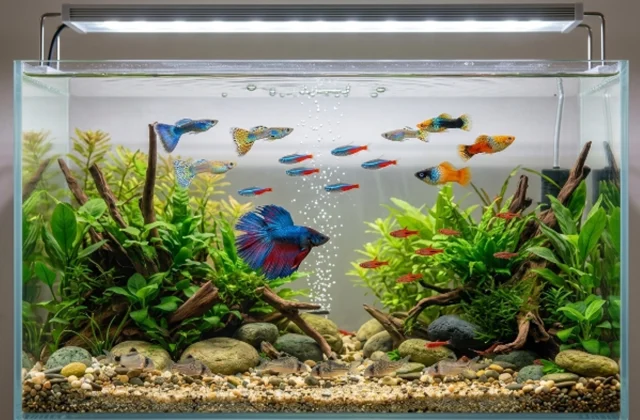
This creates a much more relaxing aquarium. One reason community tanks are so popular is because different fish use different parts of the aquarium. Surface swimmers stay near the top, schooling fish move through the middle, while bottom dwellers quietly search the substrate for leftover food. When every species has its own preferred area, the entire aquarium feels balanced. It almost looks like nature planned it that way.
Some Fish Naturally Live Better Together
There isn’t one perfect combination for every aquarium. The best choice depends on tank size, water conditions, and the experience of the fish keeper. Still, some species have built an excellent reputation because they consistently get along with others. Neon tetras are a great example. They are peaceful, active, and look stunning when kept in schools. Watching them move together through live plants never gets old.
Guppies are another favorite, especially for beginners. They’re colorful, adaptable, and rarely create problems inside a community aquarium. Harlequin rasboras are known for their calm personality and steady swimming style. Corydoras catfish spend most of their day exploring the bottom without disturbing other fish. Mollies and platies also fit naturally into peaceful community tanks because they adapt well to different environments. These species are often recommended because they’re among the most reliable freshwater fish that live together successfully when given proper care.
Freshwater Fish for Beginners Should Be Forgiving
Nobody becomes an aquarium expert overnight.
Every fish keeper makes small mistakes during the first few months.
Maybe you feed a little too much one day.
Maybe you forget a scheduled water change.
It happens.
That’s why choosing freshwater fish for beginners makes the learning process much easier.
Species like zebra danios, white cloud mountain minnows, guppies, corydoras catfish, platies, and cherry barbs are known for being hardy. They tolerate small beginner mistakes much better than delicate species that require perfectly stable water conditions.
That doesn’t mean you should neglect them.
It simply means they’re more forgiving while you build confidence and develop a regular aquarium care routine.
Starting with hardy fish often leads to long-term success because new hobbyists experience fewer setbacks.
Water Conditions Matter More Than Most Beginners Realize
Compatibility isn’t only about personality.
Fish also need similar environmental conditions.
Imagine wearing a winter jacket during the hottest day of summer. You wouldn’t feel comfortable for very long.
Fish experience something similar when they’re kept in water that doesn’t suit them.
Some tropical species thrive in warmer temperatures, while others prefer slightly cooler water. Certain fish like softer water, while others naturally live in harder conditions.
When fish share similar requirements, they stay healthier, eat better, display brighter colors, and behave more naturally.
Researching water temperature, pH, and hardness before purchasing new fish may seem like extra work, but it prevents countless problems later.
Healthy water creates healthy fish.
Healthy fish create peaceful aquariums.
Think About Adult Size, Not Pet Store Size
This is something many beginners don’t think about.
The fish you see in a pet store are usually young. They may only be an inch long, so it feels like almost any species can live together. A few months later, everything changes.
Some fish stay small for life. Others grow two, three, or even four times their original size. That’s when compatibility problems begin.
I’ve seen people buy tiny angelfish because they looked peaceful with neon tetras in the store. Six months later, the angelfish were much larger, and the tank felt completely different. Nobody had done anything wrong. They simply planned around the fish they saw instead of the fish they would become.
Whenever you’re choosing freshwater fish that live together, always check the adult size before bringing them home. Fish that are similar in size usually feel more comfortable around each other, and the aquarium stays balanced as they grow.
Every Fish Uses a Different Part of the Aquarium
One thing that makes a community tank look natural is that fish don’t all swim in the same place.
Some species spend most of their day near the surface. Others prefer the middle of the aquarium, while bottom-dwelling fish quietly search the substrate for leftover food.
This natural separation reduces competition.
For example, guppies often stay close to the top, neon tetras enjoy the middle, and corydoras catfish spend their time on the bottom. Since they aren’t constantly competing for the same space, they usually coexist without much stress.
When building a tank with community freshwater fish, think of the aquarium as having three floors instead of one large open space. A balanced mix almost always creates a calmer environment.
Feeding Habits Can Affect Freshwater Fish Behavior
Food changes freshwater fish behavior more than many people expect.
If you’ve ever watched feeding time closely, you’ll notice that some fish are incredibly fast. They rush toward the food the moment it touches the water. Others are slower and wait patiently before eating.
Without planning, the quickest fish can eat almost everything while shy fish go hungry.
A simple solution is offering different types of food. Floating flakes work well for fish near the surface, while sinking pellets help bottom dwellers get their share. Frozen foods can be offered occasionally as a healthy treat, adding variety to their diet.
A well-fed aquarium is usually a peaceful aquarium.
Fish that receive proper nutrition are less likely to compete aggressively during feeding time.
Live Plants Make a Bigger Difference Than Most People Expect
People often buy aquarium plants because they look attractive.
That’s a nice bonus, but live plants do much more than improve appearance.
Plants create natural hiding places where shy fish can rest when they feel nervous. They also break up open spaces, making territorial fish less likely to chase others across the entire aquarium.
In my experience, community tanks become noticeably calmer after adding a few healthy plants. Fish that spent most of their day hiding often begin swimming confidently once they feel secure.
Live plants can also help improve water quality by using nutrients that would otherwise contribute to algae growth.
You don’t need a heavily planted jungle. Even a few beginner-friendly plants can make a visible difference.
Don’t Fill the Aquarium Too Quickly
Buying fish is exciting.
Waiting isn’t.
Still, patience is one of the most valuable skills in fish keeping.
Adding too many fish at once puts pressure on the biological filter and increases stress inside the aquarium. Instead, add a few fish, allow the tank to stabilize, and observe how everyone behaves before introducing more.
This gradual approach gives your aquarium time to adjust naturally.
It also allows you to notice compatibility issues while they’re still easy to solve.
Many experienced aquarists follow this method because it simply works.
Simple Freshwater Fish Care Tips That Keep Fish Healthy
People often search for complicated aquarium secrets.
The truth is much simpler.
Healthy aquariums are built on small, consistent habits.
Regular water changes, avoiding overfeeding, cleaning the filter correctly, and checking water quality every week make an enormous difference.
These basic freshwater fish care tips prevent many common problems before they ever appear.
Another habit worth developing is spending a few quiet minutes watching your aquarium every day.
Fish usually show small changes in behavior long before they become sick. Catching those signs early often prevents much bigger problems later.
Signs Your Community Aquarium Is Working Well
A peaceful aquarium has a certain feeling.
Fish swim naturally without constantly chasing each other. Colors become brighter as they settle into their environment. Feeding time is calm rather than chaotic.
You’ll also notice curiosity.
Many healthy fish swim toward the front of the glass when someone approaches because they’ve learned to associate people with food. That’s usually a good sign they’re comfortable in their surroundings.
On the other hand, fish that hide all day, refuse food, breathe rapidly, or constantly fight are telling you something isn’t right.
Observing these small details helps you understand freshwater fish behavior and respond before minor issues become major ones.
Common Mistakes That Cause Compatibility Problems
Most community tank problems can be traced back to a handful of common mistakes.
Choosing fish only because they look attractive is probably the biggest one. Ignoring adult size, adding too many fish too quickly, skipping the nitrogen cycle, or mixing aggressive species with peaceful ones can all lead to unnecessary stress.
Another mistake is assuming every peaceful fish has identical care requirements.
Even gentle species need similar temperatures, water chemistry, and swimming space to thrive together.
Taking a little extra time to research before buying new fish saves money, protects your aquarium, and creates a healthier environment for every species.
Final Thoughts
Creating an aquarium with freshwater fish that live together isn’t about finding the most colorful fish or buying the biggest tank. It’s about understanding how fish naturally behave and giving them an environment where they can live without unnecessary stress. When you choose compatible community freshwater fish, pay attention to adult size, water conditions, feeding habits, and daily freshwater fish behavior, you’ll build an aquarium that stays peaceful for years.
If you’re new to fish keeping, don’t feel pressured to create the perfect tank on your first day. Every successful aquarist learns through observation and patience. Small improvements over time often lead to the healthiest aquariums. At Petcentric, we believe fish keeping should be enjoyable, not confusing. Start with the right species, care for them consistently, and you’ll discover why a peaceful community aquarium is one of the most rewarding parts of this hobby.
Frequently Asked Questions
1. What are the best freshwater fish that live together?
Some of the best freshwater fish that live together include guppies, neon tetras, harlequin rasboras, platies, mollies, corydoras catfish, zebra danios, and cherry barbs. These species are peaceful and ideal for community aquariums.
2. Which freshwater fish are best for beginners?
The best freshwater fish for beginners are guppies, platies, zebra danios, white cloud mountain minnows, corydoras catfish, and mollies because they are hardy, peaceful, and easy to care for.
3. Why are my community fish fighting?
Changes in freshwater fish behavior are often caused by overcrowding, incompatible species, poor water quality, lack of hiding places, or competition during feeding.
4. Can I mix different community freshwater fish in one tank?
Yes. Most community freshwater fish can live together if they have similar water requirements, adult sizes, and peaceful temperaments. Always research compatibility before adding new species.
5. How do I keep freshwater fish healthy in a community aquarium?
Maintain clean water, perform regular water changes, avoid overfeeding, provide enough swimming space, and follow consistent freshwater fish care tips. Healthy water and compatible tank mates are the foundation of a successful community aquarium.