Rabbit Peeing Next to the Litter Box What to Check First
You clean your rabbit’s litter box, add fresh hay, and make sure everything looks comfortable. Yet, the next morning, you discover a wet patch right beside the box. Sometimes, your rabbit sits inside the litter tray but urinates over the edge. Other times, they seem to ignore it completely. If this sounds familiar, you’re not […]
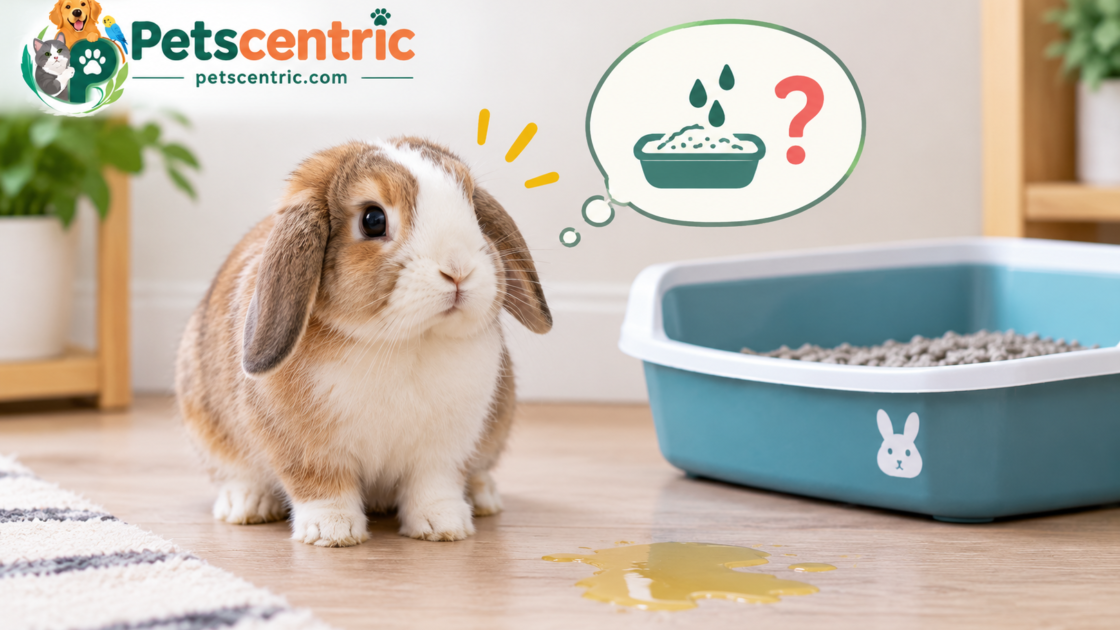
You clean your rabbit’s litter box, add fresh hay, and make sure everything looks comfortable. Yet, the next morning, you discover a wet patch right beside the box. Sometimes, your rabbit sits inside the litter tray but urinates over the edge. Other times, they seem to ignore it completely.
If this sounds familiar, you’re not alone. Rabbit litter habits can change for several reasons, and the solution isn’t always more training. Your rabbit may be uncomfortable with the box, unhappy with its location, marking territory, or dealing with a health problem.
Before changing everything in your rabbit’s enclosure, start with the basics. Observe where the urine lands, how your rabbit positions itself, and whether the behavior started suddenly. These small details can help you identify the cause and choose a practical solution.
Why Is Your Rabbit Peeing Next to the Litter Box?
When a rabbit is peeing outside the litter box, the first thing to check is whether the problem is behavioral, environmental, or medical. Each possibility needs a slightly different approach.
Some rabbits understand litter training but miss the box because it is too small. Others develop new habits after moving to a different room, changing their enclosure, or encountering another animal’s scent. A rabbit that was previously reliable may suddenly begin having accidents, too.
The pattern matters. If urine repeatedly appears in one spot, the location or box design may be responsible. If your rabbit urinates in several places or seems uncomfortable while urinating, a health assessment becomes more important.
Check the Litter Box Size and Design First
One of the most overlooked reasons for rabbit litter box accidents is an unsuitable tray. Rabbits need enough room to enter, turn around, sit comfortably, and eliminate without balancing awkwardly.
A small box can make these normal movements difficult. Your rabbit may place its front paws inside while keeping its hindquarters outside. The result is urine on the floor, even though your pet appears to be using the tray.
Choose a box that allows your rabbit to fit comfortably with all four paws inside. Larger rabbits often need a larger tray than owners expect. A low entrance can also help older rabbits or those with reduced mobility get in and out easily.
What If Your Rabbit Urinates Over the Edge?
Rabbit urinating over the litter box edge is a common problem when the tray is too shallow or your rabbit backs up before urinating. Sometimes, the rabbit is sitting inside the box correctly, but its rear end extends beyond the rim.
Watch your rabbit’s position during normal litter box use. If its hindquarters consistently point toward the same side, repositioning the box or choosing a higher-backed design may solve the problem.
Avoid making every side excessively high. Your rabbit still needs safe, easy access, particularly if it is young, elderly, or experiencing joint discomfort.
Review Your Rabbit Litter Box Placement
Location can influence litter habits more than many owners realize. Rabbits naturally tend to choose particular corners for urination and droppings. If the litter box is placed somewhere else, your rabbit may keep returning to its preferred spot.
Rabbit litter box placement should suit your rabbit’s existing behavior, not just the appearance of the enclosure. Notice which corner your rabbit repeatedly uses, then place the tray there if possible.
The box should be in a quiet, accessible area where your rabbit feels secure. Avoid locations beside loud appliances, busy walkways, or places where other pets can frighten your rabbit. A box that is difficult to reach or frequently disturbed may be avoided.
If your rabbit has a large exercise area, consider providing an additional litter tray. Multiple accessible boxes can make it easier for your rabbit to maintain good habits, especially while litter training is still developing.
Check the Litter, Cleanliness, and Hay Supply
Rabbits can be surprisingly particular about their bathroom setup. A dirty tray, an unfamiliar litter material, or a sudden change in scent may encourage them to urinate elsewhere.
Clean wet areas regularly and replace soiled litter as needed. However, avoid strongly scented cleaners or heavily perfumed products around the enclosure. Rabbits have sensitive respiratory systems, and overpowering fragrances are unnecessary.
The litter itself matters. Use rabbit-safe, absorbent material, such as suitable paper-based litter or another product specifically considered safe for rabbits. Avoid clumping cat litter, dusty materials, and aromatic wood shavings that may irritate your rabbit or create other risks.
Hay is another important part of the setup. Many rabbits like eating while using their litter tray, so placing fresh hay in a rack beside or above one end of the box can encourage them to spend time there. Keep the hay clean and dry, and make sure your rabbit can reach it comfortably.
If you recently changed the litter brand, tray liner, or hay arrangement, consider whether the accidents began around the same time. A simple adjustment may be enough.
Could Hormones or Territory Marking Be the Cause?
Sometimes, rabbit missing litter box behavior has little to do with the tray itself. Hormones and territorial instincts can affect where a rabbit urinates, particularly when it reaches sexual maturity.
Unneutered or unspayed rabbits may leave urine in new locations to mark territory. Changes in the household, the arrival of another rabbit, or unfamiliar animal scents can also trigger this behavior.
You may notice small amounts of urine in several locations rather than one large puddle beside the tray. Your rabbit may also leave droppings around the enclosure as part of territorial marking.
Discuss spaying or neutering with a rabbit-experienced veterinarian when appropriate. These procedures can reduce hormone-related marking in many rabbits, although they do not guarantee perfect litter habits. Consistent training and a suitable environment still matter.
Never punish your rabbit for marking or missing the box. Rabbits do not learn reliably through fear, shouting, or rubbing their noses in accidents. Calmly clean the area and make the correct toilet location easier to use.
Why Has Your Rabbit Suddenly Stopped Using the Litter Box?
A rabbit stopped using the litter box after months of reliable habits deserves closer attention. A sudden change is different from a young rabbit that has never fully learned where to urinate.
Start by checking whether anything has changed at home. A new enclosure, different litter, unfamiliar pets, household noise, or a change in routine can disrupt established habits. Even moving the litter tray a short distance may confuse some rabbits.
Age can also play a role. Young rabbits may have inconsistent bathroom habits as they mature, while older rabbits can struggle to enter a high-sided box because of stiffness or reduced mobility.
However, do not assume every change is behavioral. Urinary discomfort, bladder sludge, urinary tract problems, and other medical conditions may cause inappropriate urination. If your rabbit repeatedly strains, produces only tiny amounts of urine, shows blood in its urine, or appears painful, contact a rabbit-experienced veterinarian promptly. Inability to urinate, severe pain, or marked lethargy requires emergency veterinary attention.
How to Solve Rabbit Litter Training Problems
When the litter tray and your rabbit’s health have been assessed, return to the basics of training. Rabbit litter training problems are easier to address when the environment is predictable and the correct behavior is rewarded.
Give your rabbit a smaller, comfortable area to practice using the litter box rather than allowing access to a very large space immediately. Make sure food, water, resting areas, and the litter tray are arranged conveniently.
If your rabbit urinates in one particular corner, place a tray there instead of repeatedly moving your rabbit to another location. You can gradually expand the available space once the habit becomes more consistent.
Clean previous urine spots thoroughly with a pet-safe cleaner so lingering odors do not encourage repeat accidents. Follow the product directions and allow the area to dry before your rabbit returns.
Reward successful litter box use with calm praise or a small, rabbit-safe treat. Never withhold hay or water to reduce accidents. Fresh water and an appropriate high-fiber diet are essential for rabbit health.
Consistency matters more than perfection. Some rabbits improve within days, while others need several weeks of patient practice.
When Should You Contact a Veterinarian?
Occasional accidents may reflect a simple setup problem, but repeated inappropriate urination can sometimes be an early sign of illness.
Pay attention to your rabbit’s appetite, activity level, posture, and normal droppings. Notice whether the urine looks unusually thick, gritty, discolored, or bloody. Wet fur around the hindquarters, frequent attempts to urinate, or discomfort when entering the tray also deserve attention.
Urinary problems can become serious quickly. If your rabbit stops eating, produces fewer or no droppings, seems weak, or strains without producing urine, seek urgent veterinary advice. Do not wait for litter training to improve first.
A veterinarian can assess possible bladder, urinary, mobility, or other health issues and recommend appropriate treatment. Avoid giving human medicines or attempting home treatments for suspected urinary disease.
Conclusion
Rabbit litter accidents can be frustrating, especially when your rabbit was previously well trained. But the answer often begins with a few simple checks: the size of the tray, its location, the litter material, cleanliness, and your rabbit’s preferred bathroom corner.
If your rabbit is peeing outside the litter box, observe the pattern before changing the entire setup. A larger tray, easier access, fresh hay, or a more suitable location may help. Hormonal marking and changes in routine can also affect litter habits.
Most importantly, do not overlook a sudden change in urination. Pain, straining, blood in the urine, or difficulty passing urine may indicate a medical problem rather than a training issue.
At Petscentric, we believe understanding rabbit behavior is an important part of responsible pet care. With a comfortable litter setup, gentle training, and timely veterinary attention when needed, you can help your rabbit develop healthier bathroom habits and enjoy a cleaner, more comfortable living space.
Frequently Asked Questions
1. Why does my rabbit pee right next to the litter box?
Your rabbit may be missing the tray because it is too small, difficult to enter, or positioned away from its preferred toilet corner. Check your rabbit’s posture, enlarge the tray if needed, and place it where your rabbit naturally urinates. A sudden change may also indicate a health problem.
2. How can I stop my rabbit from peeing over the edge of the litter box?
Choose a tray with enough room for your rabbit to turn around comfortably and a higher back or sides where appropriate. Watch how your rabbit positions itself during urination. Make sure the entrance remains easy to access, especially for older rabbits or those with mobility difficulties.
3. Why has my litter-trained rabbit started having accidents?
Stress, territorial marking, changes in the enclosure, unsuitable litter, and reduced mobility can all affect established habits. However, urinary discomfort or other illness can cause similar changes. If the behavior begins suddenly or comes with other symptoms, arrange a veterinary examination.
4. What is the best place to put a rabbit litter box?
Place the tray in a quiet, accessible corner that your rabbit already prefers for urination. Keep it away from frightening noises and areas where other pets may disturb your rabbit. In larger enclosures, more than one litter tray may help prevent accidents.
5. How long does it take to correct rabbit litter training problems?
Some rabbits respond to a better litter box setup within a few days, while others need several weeks of consistent training. Age, hormonal status, previous habits, and the home environment can influence progress. Use gentle rewards, clean accidents promptly, and consult a veterinarian if inappropriate urination persists or appears painful.