How to Set Up and Care for a Fish Aquarium
Setting up a fish aquarium can feel exciting at first. You choose the tank, add beautiful decorations, watch the water sparkle, and imagine your fish swimming around their new home. But a healthy aquarium is more than a glass box filled with water. It is a small, living ecosystem that needs the right conditions to […]
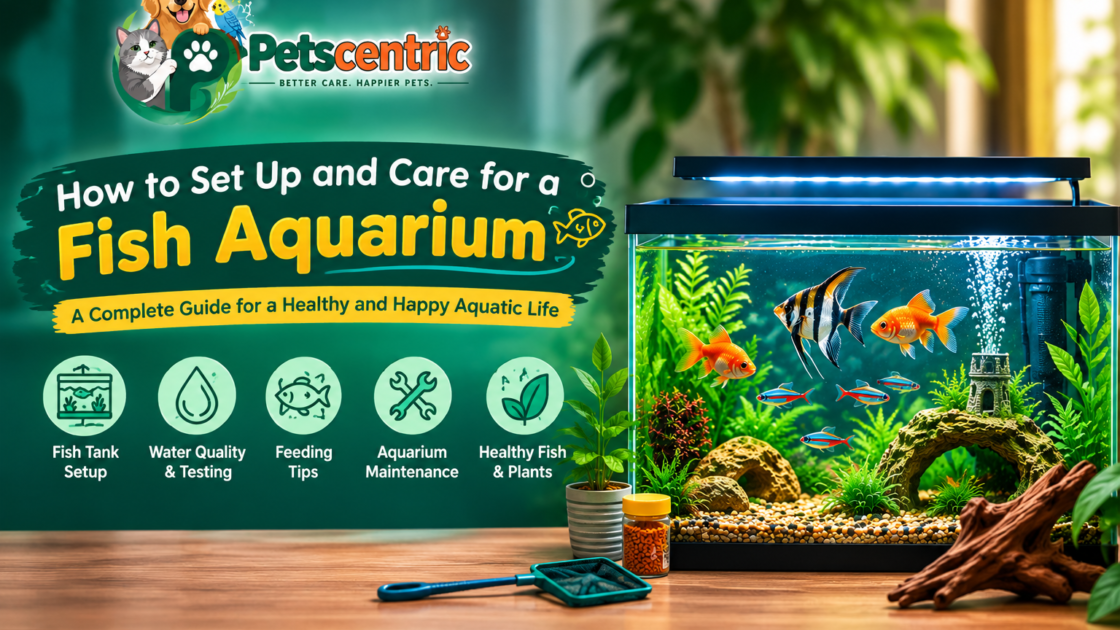
Setting up a fish aquarium can feel exciting at first. You choose the tank, add beautiful decorations, watch the water sparkle, and imagine your fish swimming around their new home. But a healthy aquarium is more than a glass box filled with water. It is a small, living ecosystem that needs the right conditions to thrive.
Whether you are planning your first home aquarium or want to improve an existing setup, understanding the basics makes everything easier. From choosing suitable fish to maintaining water quality, every small step matters. This guide explains how to create a healthy environment and keep it stable through practical, beginner-friendly aquarium care.
Choosing the Right Aquarium
The first decision is choosing a suitable tank. Bigger is not always complicated. In fact, a slightly larger aquarium can often be easier for beginners because water conditions tend to change more slowly than they do in a very small tank.
Before buying anything, think about the fish you want to keep. Different species have different space requirements, temperatures, social needs, and water preferences. A tank should be selected according to the adult size and behavior of its inhabitants, not just how small they look at the pet store.
For a typical freshwater aquarium, beginners often find a medium-sized tank easier to manage than a tiny desktop aquarium. Make sure the aquarium sits on a strong, level surface and is positioned away from direct sunlight, heating vents, and areas with heavy foot traffic.
Planning Your Fish Tank Setup
A successful fish tank setup starts before the first fish enters the water. You will normally need a suitable aquarium, filtration system, heater if tropical species are being kept, lighting, substrate, decorations, a thermometer, water conditioner, and basic testing supplies.
The filter is particularly important because it helps remove waste and supports beneficial bacteria. These bacteria are part of the biological filtration system that helps process harmful substances produced by fish waste and uneaten food.
Substrate and decorations should also be chosen carefully. Rinse gravel or sand with clean water before placing it in the tank. Avoid using household soaps or cleaning chemicals because even small residues can be dangerous to aquatic life.
Live or artificial plants can provide shelter and make the aquarium look more natural. If you use live plants, choose varieties that match your lighting and the needs of your fish. A good aquarium should have open swimming areas as well as hiding spaces.
Preparing Water Before Adding Fish
Tap water is convenient, but it should not be added directly to an aquarium without treatment. Municipal water may contain chlorine or chloramine, which can harm fish and beneficial bacteria.
Use a quality aquarium water conditioner according to the manufacturer’s instructions. It is also wise to allow the aquarium equipment to run and confirm that the temperature is stable before introducing livestock.
This is where patience really pays off. A new tank needs time to establish beneficial bacteria. The process, commonly called cycling, allows the biological filter to develop before the aquarium is fully stocked.
Understanding Aquarium Cycling
Cycling is one of the most important parts of setting up a new aquarium, yet beginners sometimes rush through it. The nitrogen cycle helps convert toxic ammonia from fish waste into nitrite and then into less harmful nitrate through bacterial activity.
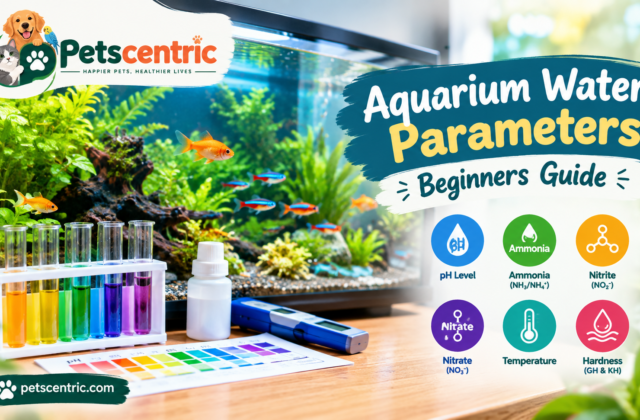
During this period, aquarium water testing becomes extremely useful. Testing helps you understand what is happening instead of relying only on clear-looking water. Clear water does not automatically mean healthy water.
A properly cycled aquarium should have stable readings appropriate for the species being kept. Once the tank is established, continue monitoring it regularly, especially after adding new fish, changing equipment, or making major maintenance changes.
Maintaining Water Quality
Good water quality is at the heart of aquarium care. Fish live, eat, breathe, and produce waste in the same water, so even small changes can affect their health.
Regular aquarium water testing can help monitor parameters such as ammonia, nitrite, nitrate, pH, and, when necessary, hardness. The ideal range depends on the species, so avoid chasing a particular number simply because it is listed online.
Consistency is often more important than constantly adjusting the chemistry. Sudden changes can stress fish. If your water parameters are suitable and stable for the species you keep, unnecessary adjustments may create more problems than they solve.
How to Maintain an Aquarium
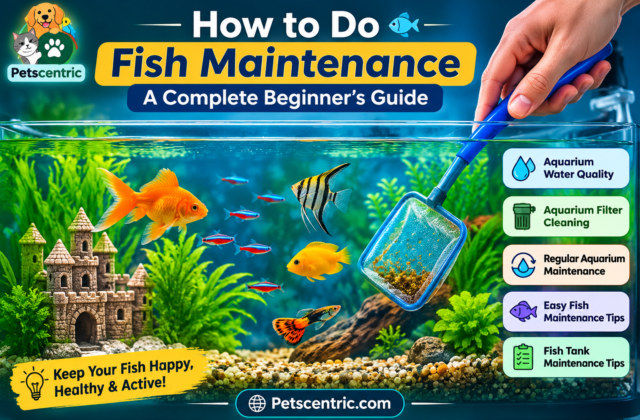
A simple maintenance routine keeps an aquarium healthier and makes the work feel manageable. Instead of waiting until the tank looks dirty, perform small tasks regularly.
Partial water changes are one of the most useful maintenance practices. Remove a portion of the old water and replace it with appropriately conditioned water that is close to the aquarium’s existing temperature. Avoid replacing all the water at once unless there is a specific emergency or professional reason.
During maintenance, gently remove visible debris from the substrate. Clean algae from the glass when necessary, but don’t try to make every surface perfectly spotless. Some beneficial organisms live on aquarium surfaces.
Filter maintenance also matters. Rinse mechanical filter media gently using removed aquarium water rather than untreated tap water. This helps protect the beneficial bacteria living in the filter. Do not replace all biological media at the same time unless there is a clear reason to do so.
Feeding Fish the Right Way
Overfeeding is one of the most common aquarium mistakes. Fish may look hungry because they quickly learn to associate people with food. That does not mean they need another meal.
Offer an amount they can reasonably consume within a short period, and remove obvious uneaten food when necessary. Excess food breaks down and contributes to poor water quality.
Choose food based on the species. Some fish feed near the surface, while others prefer sinking foods. Herbivorous, carnivorous, and omnivorous species may also have different dietary requirements.
A healthy feeding routine supports growth, coloration, activity, and overall wellbeing. It also makes aquarium maintenance much easier because there is less unnecessary waste in the water.
Choosing the Best Fish for Aquarium Life
Selecting compatible species is just as important as choosing the tank itself. The best fish for aquarium keeping are not simply the most colorful ones. They should suit your tank size, water conditions, temperature, and experience level.
Research adult size, temperament, schooling behavior, feeding requirements, and compatibility before purchasing fish. Some species are peaceful community fish, while others may be territorial or unsuitable for smaller tanks.
Avoid adding too many fish too quickly. Overstocking increases waste production and puts additional pressure on filtration and water quality. A calm, lightly stocked aquarium is usually easier to maintain than a crowded one.
Everyday Aquarium Care
Daily observation is an underrated part of aquarium care. Take a moment to watch your fish. Are they swimming normally? Are they eating? Is one fish hiding more than usual? Are there changes in breathing, color, fins, or behavior?
These small observations can help you notice problems early. A fish that suddenly stops eating or behaves differently may be experiencing stress, poor water conditions, aggression, or illness.
Check the equipment too. Make sure the filter is operating, the heater is functioning properly when one is required, and the temperature remains within the appropriate range.
You don’t need to stare at the tank for an hour. A few minutes of observation each day can tell you a lot.
Common Mistakes to Avoid
Many aquarium problems come from doing too much rather than too little. Beginners may clean everything repeatedly, change water too frequently without a reason, add unnecessary chemicals, or introduce several fish at once.
Another mistake is buying fish before researching their requirements. That beautiful fish at the store may eventually become too large for your aquarium or may need different water conditions.
Avoid using household cleaning products on aquarium equipment. Keep buckets, nets, and other aquarium tools separate from household cleaning supplies.
Most importantly, don’t panic when something looks slightly different. Test the water, observe the fish, identify the cause, and make gradual changes where appropriate. Good aquarium maintenance is usually about stability, not constant intervention.
Creating a Healthy Home Aquarium
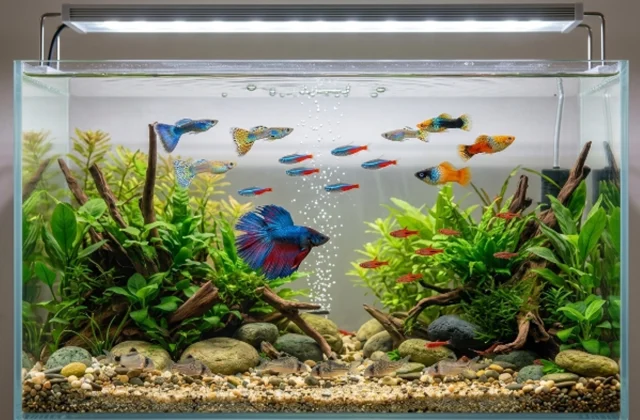
A successful home aquarium should feel balanced rather than complicated. Give fish enough swimming space, provide suitable shelter, maintain appropriate temperature and filtration, and keep the water clean and stable.
The appearance of the aquarium matters, but fish health should come first. Decorations, plants, and lighting can create a beautiful display, while good filtration and responsible stocking create the foundation for a healthy ecosystem.
As you gain experience, you will begin to notice patterns. You will know when the filter needs attention, when algae is normal, and when your fish are behaving differently. That familiarity is what turns aquarium keeping from a chore into a rewarding hobby.
Conclusion
Setting up and maintaining a fish aquarium does not have to be difficult. Start with the right-sized tank, suitable equipment, compatible fish, and properly treated water. Give the aquarium time to establish its biological cycle, then focus on consistent water quality, responsible feeding, and regular maintenance.
Remember that healthy fish depend on a stable environment. Regular aquarium water testing, sensible water changes, good filtration, and careful observation can prevent many common problems before they become serious.
For more practical pet-care guidance, Petscentric can help you build better habits for caring for your animals. A little knowledge, a little patience, and a consistent routine can turn an ordinary aquarium into a thriving underwater world.
Frequently Asked Questions
1. How often should I change the water in a fish aquarium?
Water-change frequency depends on tank size, stocking level, filtration, and water-test results. Many established aquariums benefit from regular partial water changes rather than complete water replacement. Always treat replacement water and match its temperature as closely as practical.
2. How long should I wait before adding fish to a new aquarium?
A new aquarium should be properly cycled before adding a full population of fish. The biological cycle can take several weeks, and aquarium water testing is the best way to determine whether ammonia and nitrite are being processed appropriately.
3. How often should aquarium water be tested?
Testing more frequently is useful when establishing a new aquarium, adding fish, or dealing with water-quality problems. Once an aquarium is mature and stable, periodic testing can help confirm that conditions remain appropriate.
4. What is the best fish for a beginner aquarium?
The best choice depends on your tank size, water conditions, and experience. Rather than selecting fish based only on appearance, research their adult size, temperament, temperature requirements, and compatibility with other species.
5. Why is my aquarium water cloudy?
Cloudy water can have several causes, including bacterial growth in a new tank, excess food, waste buildup, disturbed substrate, or other water-quality issues. Test the water first and avoid making several major changes at once. Identifying the cause is more useful than simply trying to make the water look clear.