How to Maintain a Healthy Weight for My Dog
Keeping your dog at the right weight is about much more than appearance. A dog carrying extra pounds may have more difficulty moving, playing, or staying comfortable as they age. On the other hand, a dog that is too thin may not be getting enough nutrition or could have an underlying health concern. So, what […]
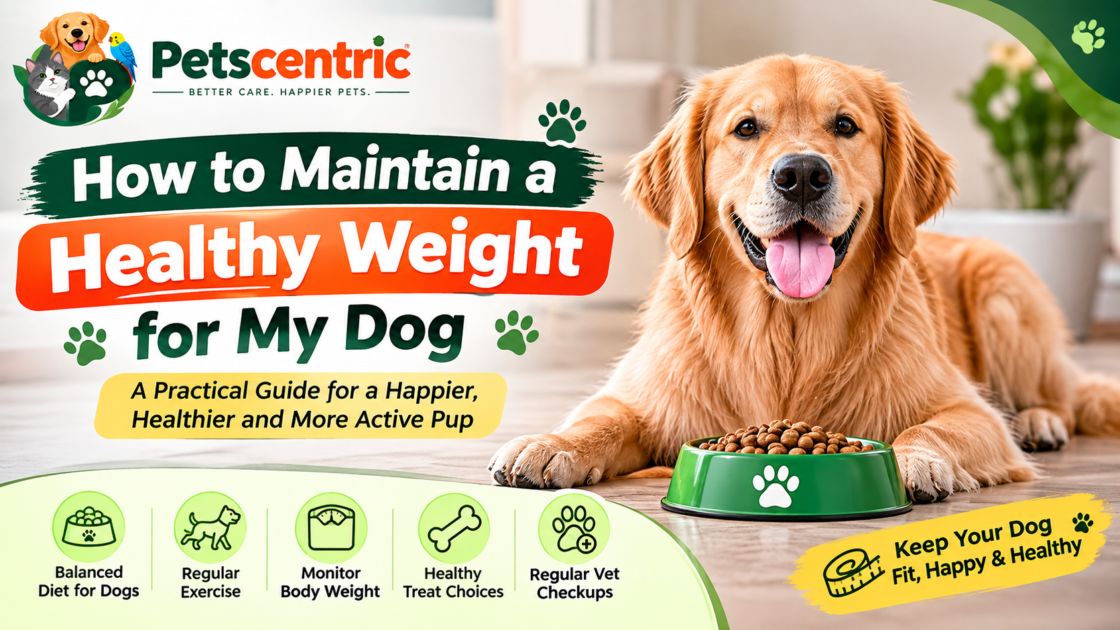
Keeping your dog at the right weight is about much more than appearance. A dog carrying extra pounds may have more difficulty moving, playing, or staying comfortable as they age. On the other hand, a dog that is too thin may not be getting enough nutrition or could have an underlying health concern.
So, what does a healthy weight for my dog actually look like? The answer depends on breed, age, size, activity level, body structure, and individual health. There isn’t one perfect number for every dog.
The good news? You don’t need to obsess over the scale. A practical approach combines regular weight checks, sensible portions, nutritious food, exercise, and attention to your dog’s body condition.
What Is a Healthy Weight for My Dog?
A healthy weight for my dog should allow them to move comfortably while maintaining good muscle tone without excessive body fat. Veterinarians often assess a dog’s body condition rather than relying on weight alone.
When viewed from above, a dog at an appropriate body condition should generally have a visible waist behind the ribs. From the side, the abdomen should tuck upward rather than hanging straight down.
You should also be able to feel your dog’s ribs with gentle pressure. They shouldn’t be buried under a thick layer of fat, but they also shouldn’t be sharply visible in most healthy dogs.
Every breed is different. A Greyhound, Labrador Retriever, and Dachshund can have completely different ideal weights. That’s why breed charts are useful as a starting point, not a final answer.
A Healthy Dog Weight Guide for Everyday Checks
A simple healthy dog weight guide can help you notice changes before they become a bigger problem. Try looking at your dog regularly instead of waiting for an annual veterinary appointment.
Pay attention to their waist, ribs, belly, energy level, and mobility. Has your dog become less interested in walks? Are they breathing harder after a short game? Is their collar or harness suddenly tighter?
These small clues matter.
Weighing your dog periodically is also useful. For smaller dogs, a household scale may work. Larger dogs can be weighed at many veterinary clinics or pet facilities. Record the number so you can compare it over time.
A gradual change can be easy to miss when you see your dog every day.
Recognizing Overweight Dog Symptoms
Knowing common overweight dog symptoms can help you act early. Extra weight doesn’t always look dramatic, especially when a dog has a thick coat.
Some signs may include reduced stamina, difficulty jumping or climbing stairs, reluctance to exercise, excessive panting after mild activity, and a less visible waist.
You may also notice that your dog’s ribs are harder to feel. Their abdomen might appear rounded instead of tucked, or they may seem less playful than usual.
Don’t automatically put your dog on a strict diet when you notice these changes. Weight gain can sometimes be connected with age, medication, reduced activity, or an underlying health issue. A veterinary check is the safest starting point.
Why Portion Control Matters
One of the easiest ways to support a healthy weight for my dog is to measure meals rather than guessing.
A bowl filled by eye can contain much more food than your dog actually needs. Feeding recommendations on commercial food packaging are helpful, but they’re not perfect for every individual dog. Activity, metabolism, age, and health all affect calorie requirements.
Use a proper measuring cup or kitchen scale and keep portions consistent.
Treats count, too. That little biscuit after a walk, a piece of chicken from dinner, and a few bites of cheese can add up surprisingly fast.
If you use treats for training, consider reducing the size of each treat or using part of your dog’s normal food allowance as rewards.
Choose a Balanced Diet for Dogs
A balanced diet for dogs should provide appropriate levels of protein, fats, carbohydrates, vitamins, minerals, and other essential nutrients.
Quality matters, but so does quantity. Even nutritious food can contribute to weight gain when portions are too large.
Choose a complete and balanced dog food appropriate for your pet’s life stage and individual needs. Puppies, adult dogs, seniors, highly active dogs, and dogs with specific health requirements may need different nutritional approaches.
Avoid making major dietary changes suddenly. Dogs can develop digestive upset when their food changes too quickly. If you’re switching foods, a gradual transition is generally easier on the stomach.
And homemade diets? They can be appropriate in some situations, but they should be carefully formulated. Simply mixing meat, rice, and vegetables doesn’t automatically create a nutritionally complete meal.
Dog Exercise for Weight Loss and Fitness
Food is only one side of weight management. Regular dog exercise for weight loss can help your pet burn calories, maintain muscle, and stay mentally stimulated.
Start with activities your dog enjoys. Brisk walks, gentle games of fetch, swimming, controlled play, and appropriate agility activities can all contribute to daily movement.
But don’t suddenly take an overweight dog on a long-distance hike.
Start slowly.
A few additional minutes of walking each day can be a better beginning than an intense workout that leaves your dog exhausted or sore. Increase activity gradually as fitness improves.
Age and physical condition matter here. Dogs with joint problems, breathing difficulties, or other limitations may need low-impact activities recommended by a veterinarian.
Practical Dog Weight Loss Tips That Actually Help
If your veterinarian confirms that your dog needs to lose weight, consistency is usually more important than dramatic changes.
Useful dog weight loss tips include measuring every meal, limiting high-calorie treats, increasing appropriate daily activity, and keeping everyone in the household on the same feeding plan.
Don’t rely on your dog’s begging as a sign that they’re hungry. Some dogs are professional-level beggars. They can look deeply offended by an empty bowl even after eating a perfectly adequate meal.
Instead, monitor their body condition and weight over time.
If weight loss is needed, aim for gradual progress rather than rapid dieting. Your veterinarian can determine an appropriate calorie target and monitor whether your dog’s weight is changing safely.
How to Maintain a Healthy Weight as Your Dog Ages
A healthy weight for my dog may require different care at different stages of life.
Puppies need enough energy and nutrients for growth, while adult dogs generally need a maintenance diet. Senior dogs may become less active and therefore require fewer calories, although individual needs vary.
Neutering or spaying, changes in daily activity, and aging can also affect calorie requirements.
This is why the same feeding routine shouldn’t necessarily continue unchanged for years. Reassess your dog’s needs as their lifestyle changes.
A once-active dog that now spends most of the day sleeping may need fewer calories. Simple adjustment can make a big difference.
Make Weight Management Part of Everyday Life
The easiest way to maintain healthy dog weight is to make healthy habits normal rather than treating weight management as a temporary project.
Measure meals. Keep treats sensible. Provide regular movement. Watch body condition. Check weight periodically.
And give your dog plenty of attention that doesn’t involve food.
Play together. Go for a sniffing walk. Practice training. Offer affection. Dogs don’t need a snack every time they wag their tail.
If you notice unexplained weight gain or loss, changes in appetite, unusual tiredness, increased thirst, or other sudden changes, speak with your veterinarian. Weight can sometimes be an early clue that something else is going on.
When Should You Speak With a Veterinarian?
If you’re unsure whether your dog’s weight is appropriate, a veterinary professional can assess body condition and overall health.
This is particularly important if your dog is significantly overweight, losing weight without explanation, gaining weight despite normal portions, or struggling with exercise.
A veterinarian can help create an individualized weight-management plan, including calorie needs, feeding portions, exercise recommendations, and follow-up weigh-ins.
The goal isn’t simply a lower number on the scale. It is better mobility, healthier body composition, and a good quality of life.
Conclusion
Maintaining a healthy weight for my dog starts with simple habits: appropriate portions, a balanced diet for dogs, regular activity, sensible treats, and routine monitoring. Don’t wait until your dog is visibly overweight to pay attention.
Think of weight management as part of everyday care. A little awareness now can help prevent bigger problems later.
At Petscentric, we believe caring for a dog means looking beyond food and treats. Nutrition, exercise, preventive care, enrichment, and regular veterinary guidance all work together. When you understand your dog’s individual needs and make small, consistent changes, you’re giving them a better chance to stay active, comfortable, and happy for years to come.
Frequently Asked Questions
1. How do I know if my dog has a healthy weight?
You should generally be able to feel your dog’s ribs without pressing hard, while the ribs should not be covered by excessive fat. A visible waist and abdominal tuck are also common signs of appropriate body condition. Because ideal weight varies by breed and individual dog, a veterinarian can provide the most accurate assessment.
2. How often should I weigh my dog?
For a healthy adult dog, checking weight every few months can be useful. Dogs currently following a weight-management plan may need more frequent monitoring. Consistent tracking helps identify gradual changes that may otherwise be difficult to notice.
3. Can treats make my dog overweight?
Yes. Treats can contribute significant calories, especially when given frequently or in large portions. Keep treats moderate and consider using small pieces during training. You can also ask your veterinarian how treats should fit into your dog’s daily calorie allowance.
4. What is the best exercise for an overweight dog?
The best activity depends on your dog’s age, fitness, breed, and health. Walking is often a practical starting point, but swimming and gentle play may also work for some dogs. Begin gradually and increase activity as your dog becomes fitter.
5. Should I put my overweight dog on a diet?
Don’t make major calorie reductions without guidance. An overweight dog may need a carefully planned weight-loss program that protects muscle while reducing excess body fat. Your veterinarian can recommend appropriate food portions, calorie targets, and exercise based on your dog’s individual needs.