How to Master Fish Tank Maintenance for Beginners
Starting your first aquarium is an exciting experience. Watching colorful fish swim around, adding plants, and creating a small underwater world inside your home feels amazing. But many beginners soon realize that keeping fish is not only about feeding them. A healthy aquarium needs proper care, regular attention, and a stable environment. When I talk […]

Starting your first aquarium is an exciting experience. Watching colorful fish swim around, adding plants, and creating a small underwater world inside your home feels amazing. But many beginners soon realize that keeping fish is not only about feeding them. A healthy aquarium needs proper care, regular attention, and a stable environment. When I talk to new aquarium owners, one common mistake I notice is that they spend a lot of time choosing fish and decorations but do not focus enough on water conditions.
The truth is simple. Fish live in water, not in decorations. That is why learning fish tank maintenance for beginners is one of the most important steps for anyone starting an aquarium. Proper maintenance does not mean cleaning the tank every day or changing everything inside it. It means understanding how your aquarium works and following small habits that keep your fish healthy. A clean and balanced aquarium creates a comfortable home where fish can grow, stay active, and show their natural colors.
Why Fish Tank Maintenance Is Important
A fish tank may look like a simple glass container, but it is actually a small living ecosystem. Inside the aquarium, fish produce waste, leftover food breaks down, plants release organic material, and beneficial bacteria work to maintain balance. In nature, rivers and lakes have large amounts of water that help control waste naturally. A home aquarium has limited space, which means waste can build up much faster.
Without proper care, harmful substances like ammonia and nitrite can increase. These chemicals are dangerous for fish and can cause stress, illness, and poor growth. Regular maintenance helps prevent these problems. Good aquarium care improves water conditions, supports beneficial bacteria, reduces algae problems, and creates a healthier environment for aquatic life. Many beginners think a perfect aquarium is one that looks completely clean with no signs of natural activity. Actually, a healthy aquarium is not a completely sterile aquarium. A balanced ecosystem is what your fish need.
Understanding Fish Tank Water Quality
Before learning how to clean a fish tank, every beginner should understand why water quality matters so much. Many people judge an aquarium only by appearance. If the water looks clear, they assume everything is fine. But this is not always true. Sometimes an aquarium can look beautiful while having unsafe levels of ammonia or nitrite. These problems are invisible, which is why regular checking and maintenance are important.
Good fish tank water quality depends on several factors, including temperature, pH level, oxygen, filtration, and waste control. Each fish species has different requirements. For example, some tropical fish need warmer water, while other freshwater species prefer cooler temperatures. Some fish can tolerate small changes, while others are more sensitive. The goal is not to create a perfect laboratory environment. The goal is stability. Fish usually handle a stable environment better than sudden changes. Keeping water conditions consistent is one of the biggest secrets to successful aquarium care.
Signs Your Fish Tank Needs Cleaning
Your aquarium will often show signs when something is wrong.
You just need to learn how to notice them.
Healthy fish are usually active, interested in food, and swimming normally. If their behavior suddenly changes, it may indicate a problem.
Some common warning signs include:
- Fish staying near the water surface
- Fish hiding more than usual
- Loss of bright colors
- Slow movement
- Lack of appetite
- Cloudy water
- Bad smell from the aquarium
Algae growth is another common issue. A small amount of algae is normal, but excessive algae usually means something is not balanced. Too much light, overfeeding, or poor cleaning habits can increase algae growth.
Regular observation is one of the easiest parts of fish tank maintenance for beginners. You do not need special skills. Simply spend a few minutes each day watching your fish. Over time, you will understand their normal behavior and notice problems earlier.
How to Clean a Fish Tank Without Stressing Your Fish
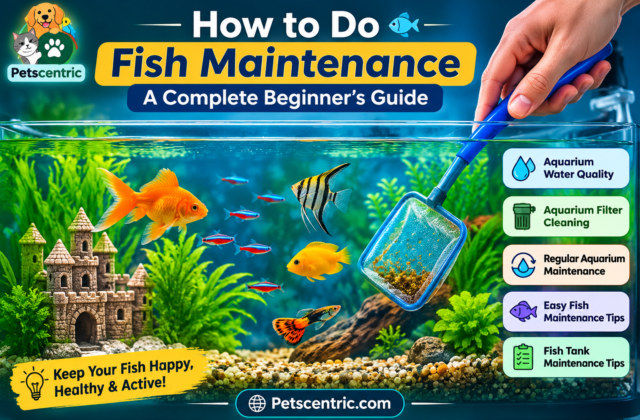
Many beginners search for how to clean a fish tank and think they need to remove all the water and wash everything completely. This is a common mistake. A complete cleaning can disturb the natural balance of the aquarium and remove helpful bacteria that your fish need. The best approach is regular and gentle cleaning. Start by cleaning the aquarium glass with an algae scraper. This removes unwanted buildup and keeps the tank looking clear. Never use household soap or cleaning products inside your aquarium. Even small chemical residues can be harmful to fish.
Next, use a gravel vacuum to remove waste collected at the bottom of the tank. Uneaten food and fish waste often settle between gravel pieces, so this step helps maintain better water conditions. During normal cleaning, remove around 20 to 30 percent of the aquarium water. Replace it with fresh water that has been treated with a water conditioner. Tap water may contain chlorine and other chemicals that are safe for humans but dangerous for fish. Always try to match the new water temperature with the aquarium temperature. Sudden temperature changes can create stress for your fish. Remember, the purpose of cleaning is not to restart your aquarium. The purpose is to maintain a healthy balance.
Common Fish Tank Maintenance Mistakes Beginners Make
Every new fish keeper makes mistakes. Learning from them is part of becoming a better aquarium owner. One of the biggest mistakes is overfeeding. Fish always look hungry, and many owners think they need more food. But extra food does not disappear. It breaks down and increases waste inside the tank. Too much waste can damage fish tank water quality and create algae problems. Another common mistake is adding too many fish too quickly.
A new aquarium needs time to develop beneficial bacteria. Adding many fish before the tank is ready can create more waste than the system can handle. Some beginners also clean their filters too often. The filter is not just a tool for removing dirt. It also contains beneficial bacteria that help keep the aquarium stable. Cleaning it too aggressively can remove these important bacteria. A little patience makes a big difference in fish keeping.
Creating a Simple Fish Tank Maintenance Schedule
A proper routine makes aquarium care much easier. Many beginners feel that maintaining a fish tank requires a lot of time. In reality, small regular actions are enough to keep your aquarium healthy. A good fish tank maintenance schedule helps you avoid bigger problems because you solve small issues before they become serious. Daily care does not need to take more than a few minutes. Spend some time observing your fish. Check if they are swimming normally, eating properly, and showing normal behavior. Look at the water level and make sure your filter and heater are working correctly.
Weekly maintenance is usually the most important part. During your weekly routine, check the water condition, remove visible waste, clean algae from the glass, and perform a partial water change if needed. Monthly care involves checking your equipment, testing water parameters, and cleaning parts of the aquarium that need attention.The key is consistency. A small amount of regular care is always better than waiting until the aquarium becomes dirty and difficult to manage.
How to Maintain Healthy Fish Tank Water Quality
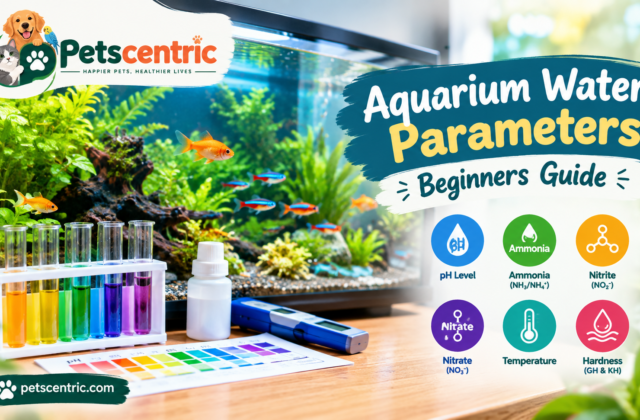
Maintaining good fish tank water quality is the foundation of successful aquarium keeping. Your fish depend completely on their water environment. Even small changes can affect their health and behavior. One of the best habits for beginners is testing aquarium water regularly. A basic water test kit can help you understand what is happening inside your tank. It allows you to check important levels like ammonia, nitrite, nitrate, and pH.
Ammonia and nitrite are especially dangerous because they can harm fish even at low levels. Regular water changes help control waste and keep nitrate levels manageable. Another important factor is avoiding sudden changes. For example, changing all the water at once or adding very different temperature water can stress fish. Small adjustments are usually safer. Healthy aquariums are built through patience and balance.
Taking Care of Your Aquarium Filter
The aquarium filter is one of the most important pieces of equipment in your tank. Many beginners think the filter only removes dirty particles from the water. Actually, it does much more. A good filter provides a place for beneficial bacteria to grow. These bacteria help break down harmful waste and support the natural aquarium cycle.
One common mistake is replacing filter material too frequently. A filter does not need to look brand new to work properly. When cleaning your filter, avoid washing it under tap water because chlorine can damage beneficial bacteria. Instead, gently rinse filter media using old aquarium water removed during a water change. Replace filter parts only when they are damaged or no longer working effectively. Proper filter care makes maintaining your aquarium much easier.
Managing Algae Growth in Your Aquarium
Almost every aquarium owner experiences algae at some point. A small amount of algae is normal and can even be part of a natural aquarium environment. The problem starts when algae grows too quickly and covers the glass, plants, and decorations. The most common causes of excessive algae are too much light and too many nutrients in the water. Leaving aquarium lights on for long periods gives algae more opportunity to grow.
Try keeping a consistent lighting schedule. Most aquariums do well with controlled lighting rather than constant brightness. Overfeeding is another major cause. Extra food breaks down and creates nutrients that algae uses for growth. Maintaining proper feeding habits, performing regular water changes, and keeping good filtration can help control algae naturally.
Easy Fish Tank Maintenance Tips for Long-Term Success
Successful aquarium care is not about doing complicated things. It is about building good habits. One useful tip is keeping all your cleaning supplies organized. Having a gravel vacuum, algae scraper, water conditioner, and testing kit nearby makes maintenance faster. Another helpful habit is keeping notes about your aquarium. You can record when you changed water, cleaned the filter, or tested the tank. This helps you understand what works best for your fish.
Every aquarium is different. A routine that works perfectly for one tank may need small changes for another. Pay attention to your fish. They will often tell you when something is wrong before equipment or tests do. Learning their normal behavior makes you a better fish owner.
Building Confidence as a Beginner Fish Keeper
Starting an aquarium can feel confusing at first.
There are many opinions about feeding, cleaning, equipment, and fish selection. Sometimes beginners receive so much information that they become unsure about what to do.
The truth is that successful fish keeping comes from understanding the basics.
Clean water.
Proper feeding.
Regular observation.
Good equipment care.
These simple things create a healthy environment.
You do not need to become an expert immediately.
Every experienced aquarium owner started as a beginner. Mistakes happen, but each mistake teaches you something valuable. Over time, you will understand your aquarium better. You will know when something feels unusual and how to fix problems calmly. Patience is one of the most important skills in fish keeping.
Long Term Benefits of Proper Aquarium Maintenance
A well-maintained aquarium provides many benefits. Healthy fish show better colors, more natural behavior, and stronger growth. A clean aquarium also becomes more enjoyable to watch. Instead of worrying about cloudy water or sick fish, you can simply enjoy the peaceful environment you created. Regular maintenance also saves money in the long run.
Many expensive problems happen because small issues are ignored. Preventing problems through proper care is usually easier and cheaper than treating serious aquarium issues later. Good maintenance creates a better relationship between you and your pets. You begin understanding their habits, preferences, and personalities. Even small fish have unique behaviors.
Conclusion
Learning fish tank maintenance for beginners is the first step toward becoming a responsible aquarium owner. A healthy aquarium does not require complicated methods. It requires consistency, observation, and proper care. Understanding how to clean a fish tank, maintaining good fish tank water quality, and following a practical fish tank maintenance schedule can help prevent many common problems.
Small daily observations, regular water changes, proper feeding, and good filter care can make a huge difference. At Petcentric, we believe every pet deserves the right care and attention. Whether you are caring for dogs, cats, birds, or aquarium fish, understanding their needs helps create a healthier and happier life for your pets. Your aquarium does not need to be perfect. It just needs patience, balance, and regular care.
Frequently Asked Questions (FAQs)
1. How often should beginners clean a fish tank?
Most beginners should clean their aquarium regularly with partial water changes every one to two weeks, depending on tank size, fish numbers, and water conditions.
2. What is the best way to improve fish tank water quality?
The best ways include regular water changes, proper feeding, good filtration, removing waste, and checking water parameters regularly.
3. How much water should I change during aquarium cleaning?
For most aquariums, changing around 20 to 30 percent of the water is a safe routine. Avoid replacing all the water because it can disturb the aquarium balance.
4. Should I remove fish while cleaning the aquarium?
Usually, fish should stay inside the tank during normal cleaning. Removing them can create unnecessary stress. Gentle cleaning methods are safer.
5. What is the biggest mistake beginners make with fish tanks?
Overfeeding is one of the biggest mistakes. Extra food creates waste, affects water quality, and can lead to unhealthy conditions for fish. Feeding the correct amount is an important part of aquarium care.