How to Make a Bird Happy Healthy Active Bird Tips
The first few days after bringing a bird home are exciting. You buy a cage, fill the food bowl, hang a few toys, and hope everything goes well. Then something unexpected happens. Your bird sits quietly on the same perch for hours. It eats a little, looks around, and stays silent. Many new owners immediately […]
The first few days after bringing a bird home are exciting. You buy a cage, fill the food bowl, hang a few toys, and hope everything goes well. Then something unexpected happens. Your bird sits quietly on the same perch for hours. It eats a little, looks around, and stays silent. Many new owners immediately think something is wrong. In most cases, the bird is simply adjusting to a completely new world.
This is usually the moment people start searching how to make a bird happy. The answer isn’t hidden in an expensive toy or a bigger cage. It comes from understanding how birds think and what they naturally need every day. Birds are intelligent, curious animals. They enjoy routines, feel emotions, and build trust slowly. Once they feel safe, you begin to see their real personality.
Many experienced bird keepers notice the same pattern. During the first week a bird may seem shy and quiet, but after regular interaction it often becomes much more confident. Sometimes the biggest change comes from something as simple as talking to the bird for a few minutes every morning. Small habits really do matter.
Every Bird Has Its Own Personality
One mistake many beginners make is expecting every bird to behave the same way. That almost never happens. One budgie may spend half the day playing with a bell, while another completely ignores it and prefers climbing around the cage. A cockatiel may enjoy sitting close to its owner, while another likes watching everything from a distance before joining in.
Instead of trying to change your bird, spend time learning its personality. Watch how it reacts when you enter the room. Notice which foods disappear first from the bowl and which ones are left behind. These little details help you understand how to keep a bird happy in a way that actually suits your own pet.
The more attention you pay, the easier bird care becomes. After a while, you start noticing small things that most people miss. A certain whistle may mean your bird wants attention. A relaxed posture often means it feels comfortable. Those quiet moments slowly build a stronger relationship.
A Bird Needs More Than Food and Water
Fresh food and clean water are essential, but they are only the beginning. Birds spend their days thinking, exploring, climbing, and communicating. If they have nothing to do, boredom can appear surprisingly quickly. I’ve spoken with bird owners who were worried because their birds had become unusually quiet. In many cases, nothing was medically wrong. The bird simply needed more interaction and mental stimulation. After adding simple daily activities and spending more time together, many noticed their birds becoming active again within a few weeks.
That doesn’t mean every quiet bird is healthy, of course. Sudden changes in behaviour should always be taken seriously. But it does show how closely bird emotional health is connected to everyday care.
Make Your Bird Feel Safe First
Before teaching tricks or introducing new toys, help your bird feel secure. Birds naturally look for places where they can observe everything without feeling threatened. A cage placed in a calm area of the home usually works much better than one surrounded by constant noise.
Your bird also needs a regular routine. Feeding around the same time every day, cleaning the cage regularly, and speaking calmly during daily care all help create a predictable environment. Birds quickly learn routines, and that sense of familiarity helps reduce stress. Many owners notice their bird becoming more relaxed after just a couple of weeks of consistent care. It begins eating more confidently, making different sounds, and showing curiosity about the people around it.
Healthy Food Supports a Happy Bird
A balanced diet plays a much bigger role than many people realize. While seeds are popular, they should not be the only food your bird eats. Quality pellets, leafy greens, fresh vegetables, herbs, and small amounts of fruit provide nutrients that support long-term health.
Interestingly, birds can be surprisingly stubborn when trying new foods. It isn’t unusual for a bird to ignore spinach or carrots several times before finally deciding to taste them. Patience is important. Keep offering healthy options without forcing them. Good nutrition improves feather quality, energy levels, and supports better bird emotional health. Birds that feel physically well usually become more playful and interested in their surroundings.
Keep Life Interesting Every Day
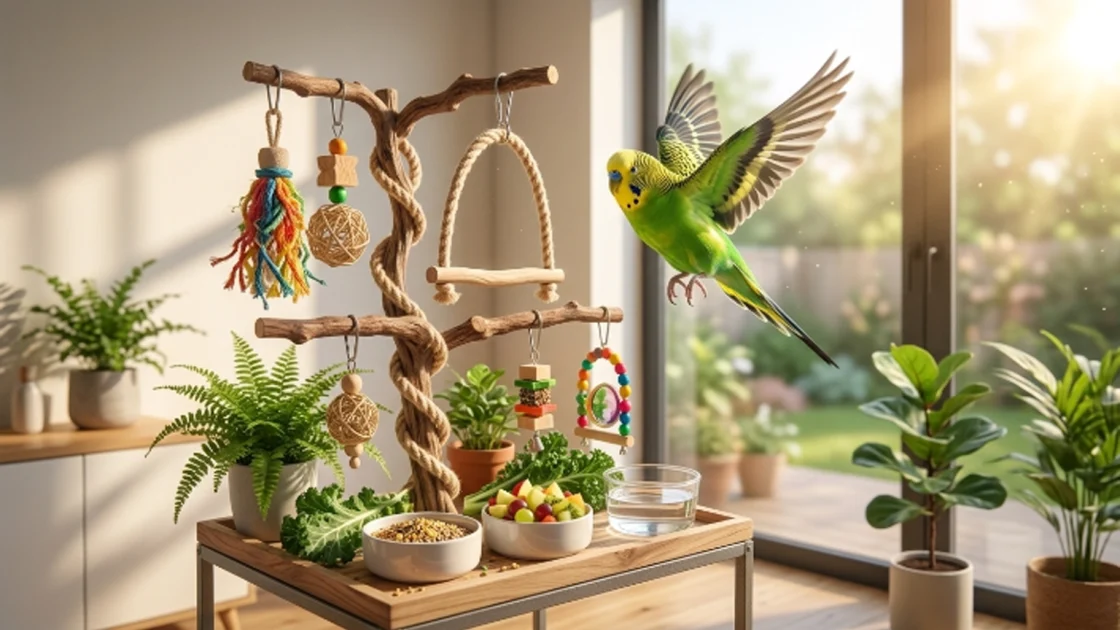
Think about spending every single day in exactly the same room with nothing changing around you. Most people would become bored. Birds are no different. Simple bird enrichment ideas help keep their minds active without making life complicated. Rotating toys every week often works better than filling the cage with dozens of toys at once. Something your bird ignored last month may suddenly become exciting again after a short break.
Natural branches, untreated paper, bird-safe wooden blocks, and simple foraging activities encourage curiosity. Birds enjoy solving little problems. Even hiding a favourite treat where it has to search for it can turn feeding into an enjoyable activity. The goal isn’t to entertain your bird every minute. It’s simply to give it reasons to stay curious.
Talk to Your Bird Like It Is Part of the Family
Some people feel strange talking to a bird. After a few days, that feeling usually disappears. Birds quickly become familiar with voices they hear every day. Speak while replacing food bowls. Say good morning when uncovering the cage. Tell your bird what you’re doing while cleaning nearby. It may sound simple, but these daily conversations help your bird associate your voice with safety.
One thing many bird owners notice is that their birds often become more vocal after regular interaction. Some begin copying sounds around the house. Others respond with happy chirps whenever someone enters the room. This gentle communication is one of the easiest bird bonding tips you can follow. It doesn’t require special equipment or training. Just consistency, patience, and a few minutes each day can make a remarkable difference.
Let Your Bird Move Around Every Day
Birds are made to move. In the wild they spend hours flying, climbing, landing on branches, and searching for food. A pet bird may live in a safe home, but those natural instincts never disappear. If a bird spends all day sitting on the same perch, it can easily become bored and less active. Whenever it is safe, give your bird supervised time outside the cage. Close the windows, switch off ceiling fans, and make sure other pets cannot disturb it. Even if your bird is not a strong flyer, climbing around a play stand or exploring a safe room gives it both physical exercise and mental stimulation.
Many bird owners notice that their birds become calmer after regular out-of-cage time. Instead of calling loudly for attention, they seem more relaxed because they have been able to explore and burn off some energy. If someone asks me how to keep a bird happy, daily exercise is always near the top of the list.
Gentle Training Builds Confidence
Some people hear the word “training” and imagine teaching a parrot to perform tricks. It doesn’t have to be like that. The real purpose of training is communication. It helps your bird understand you, and it helps you understand your bird. The best bird training tips always start with patience. Begin with something simple, like encouraging your bird to step onto your hand. Reward success with praise or a small healthy treat. If your bird isn’t interested that day, stop and try again tomorrow. Pushing too hard usually slows progress instead of helping it.
Short training sessions often work better than long ones. Five or ten minutes is enough for most birds. Over time you may notice your bird becoming more confident, less nervous, and much more willing to interact. Those small improvements are often more valuable than teaching fancy tricks.
Trust Takes Time, and That’s Completely Normal
One thing that surprises new bird owners is how slowly trust can develop. Some birds become friendly within a few days, while others need several weeks before they feel comfortable enough to step onto a hand. There is no reason to rush. Sit near the cage while reading or working. Speak softly during daily routines. Offer treats without expecting anything in return. Birds remember gentle experiences, and those experiences slowly shape the relationship. These simple bird bonding tips may sound ordinary, but they often create the strongest connection. A bird that trusts you will usually become more curious, more relaxed, and much happier in your company.
Pay Attention to Small Changes
Your bird tells you how it feels every single day. You just have to notice the little signs. A happy bird often chirps, whistles, stretches its wings, plays with toys, and shows curiosity about what is happening around the house. Many birds gently grind their beaks before sleeping, which is usually a sign they feel relaxed and secure.
On the other hand, if your bird suddenly becomes unusually quiet, refuses food, or stops showing interest in normal activities, don’t ignore those changes. Sometimes the reason is stress, while other times it could be a medical problem that needs veterinary care. Watching your bird closely helps you respond before a small issue becomes a serious one.
Keep the Routine Simple
People sometimes think they need expensive cages, fancy toys, or complicated schedules to raise a happy bird. Most of the time, that isn’t true. A clean cage, fresh water, healthy meals, regular conversation, safe exercise, and a little time together each day make a much bigger difference than constantly buying new accessories. Birds enjoy routines because they know what to expect. When they feel secure in their daily life, they naturally become more confident.
I’ve often heard experienced bird keepers say that consistency beats perfection. Missing one training session or one day of playtime isn’t the end of the world. What matters is the care you provide over weeks, months, and years.
Bird Happiness Is Really About the Relationship
The happiest birds are usually the ones that feel included in everyday life. They hear familiar voices, watch family activities, enjoy healthy food, and have opportunities to explore something new each day.
Learning how to make a bird happy is really about building a relationship instead of following a checklist. Every bird has its own personality, and that personality slowly appears as trust grows. Some birds become playful entertainers, while others stay gentle and quiet. Both are perfectly normal. Simple bird enrichment ideas, kind bird bonding tips, and positive bird training tips all support better bird emotional health. Together they help create a bird that feels safe, active, and confident.
Final Thoughts
If there is one thing worth remembering, it is this: your bird does not expect a perfect owner. It simply needs someone who pays attention, shows patience, and cares every day. Fresh food, clean water, regular exercise, gentle interaction, and a safe environment are the habits that truly matter.
As the weeks pass, you will probably notice little changes. Your bird may greet you with cheerful chirps in the morning, become excited when you walk into the room, or happily explore a new toy. Those moments show that your care is making a real difference.
At Petcentric, we believe that caring for a bird is about more than meeting its basic needs. It is about creating a home where your feathered companion feels secure, curious, and loved. When you focus on trust instead of perfection, you’ll discover that a happy bird also brings a great deal of happiness into your own life.
Frequently Asked Questions
How can I make my bird happy every day?
Spend time talking to your bird, provide fresh food and clean water, offer safe opportunities for exercise, and keep its environment interesting with new activities. Small daily routines often make the biggest difference.
What are some easy bird enrichment ideas?
Rotating toys, offering natural branches, hiding healthy treats for your bird to find, and introducing bird-safe chewable materials are simple ways to keep your bird mentally active.
How long should I interact with my bird each day?
Most companion birds benefit from at least 20 to 60 minutes of direct interaction every day. Even short, consistent sessions help build trust and improve your relationship.
Can bird training really improve happiness?
Yes. Positive training keeps birds mentally engaged, strengthens communication, and builds confidence. Short, rewarding sessions are usually more effective than long ones.
How do I know if my bird is healthy and happy?
A happy bird usually eats well, stays curious, chirps or whistles, plays with toys, preens regularly, and interacts comfortably with the people it trusts. Changes in these behaviours may be a sign that your bird needs extra attention.