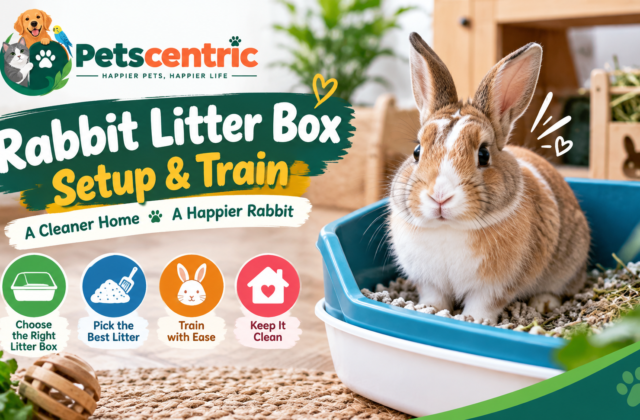
How to Create the Best Rabbit Litter Box Setup
Creating a comfortable rabbit litter box setup can make life much easier for both you and your rabbit. A good toilet area keeps the living space cleaner, reduces unpleasant smells, and helps your rabbit develop consistent bathroom habits. When I first think about rabbit litter training, I always come back to one simple idea: make […]
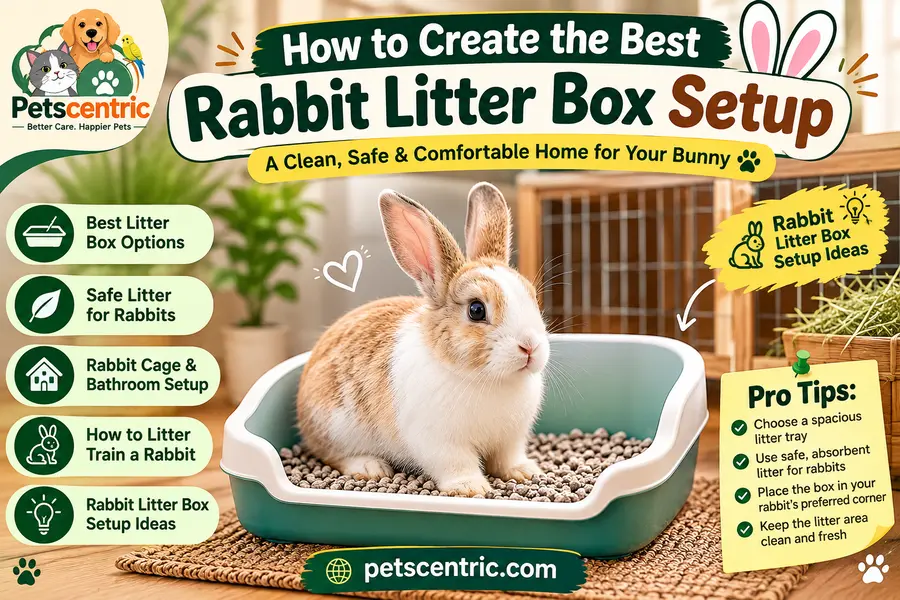
Creating a comfortable rabbit litter box setup can make life much easier for both you and your rabbit. A good toilet area keeps the living space cleaner, reduces unpleasant smells, and helps your rabbit develop consistent bathroom habits.
When I first think about rabbit litter training, I always come back to one simple idea: make the correct place easy to find and comfortable to use. Rabbits naturally prefer to toilet in one area, especially when their environment is arranged around their habits.
Whether you have a young bunny, an adult rabbit, or a newly adopted rescue, the right litter tray, safe bedding material, and proper placement can make a big difference. It does not need to be complicated. In fact, simpler is often better.
Why a Good Rabbit Litter Box Setup Matters
A well-planned rabbit litter box setup gives your rabbit a clear bathroom area instead of allowing accidents to happen throughout the enclosure. Rabbits are naturally clean animals, and many can learn to use a litter tray surprisingly well.
The trick is to work with their natural behavior rather than forcing them.
Most rabbits choose a particular corner for urination and droppings. Once you notice this habit, place the litter box there. Your rabbit will usually understand the purpose much faster.
A clean litter area also supports better hygiene. Wet litter left sitting around the cage can create odors and an uncomfortable environment. Regular cleaning is important, too.
Choosing the Best Litter Box for Rabbits
The best litter box for rabbits should be large enough for your rabbit to comfortably sit, turn around, and use the toilet without feeling cramped. A tray that is too small can cause your rabbit to stand half inside and leave waste outside.
For most rabbits, a rectangular or corner litter tray works well. Larger rabbits generally need a larger box, even if they are living in a compact enclosure.
A low entrance is helpful because rabbits should be able to step inside easily. Senior rabbits or rabbits with limited mobility may especially benefit from a lower-sided tray.
Avoid boxes with sharp edges or unstable bases. The tray should stay firmly in place when your rabbit jumps into it.
Rabbit Litter Box for Beginners: Start Simple
If you are looking for a rabbit litter box for beginners, don’t overthink the first setup. Start with one sturdy litter tray, rabbit-safe litter, and a convenient location.
Many new owners make the mistake of putting the box wherever it looks neat to them. Your rabbit may have a completely different opinion. Watch where your bunny naturally goes to the bathroom and use that information.
You can also put a small amount of rabbit behavior explained soiled litter or droppings into the fresh tray. The familiar scent can help your rabbit understand that this is the bathroom area.
Give it time. Some rabbits learn quickly, while others need several days or weeks of consistent guidance.
Safe Litter for Rabbits: What Should You Use?
Choosing safe litter for rabbits is one of the most important parts of the setup. Rabbits spend a lot of time close to the floor, and they may chew or investigate materials placed inside their enclosure.
Paper-based litter is commonly used because it is absorbent and generally gentle on rabbit feet. Some owners also use certain rabbit-safe pellet materials designed specifically for small animals.
Avoid strongly scented litter and materials that may produce excessive dust. Clay-based cat litter, clumping litter, and products containing potentially harmful additives are not suitable choices for rabbits.
The goal is simple: choose an absorbent, low-dust, rabbit-safe material without unnecessary fragrances or chemicals.
If you are uncertain about a particular product, check its ingredients and speak with an exotic-animal veterinarian before using it.
Rabbit Litter Box Placement Can Make or Break Training
Rabbit litter box placement is often more important than people expect.
Start by observing your rabbit. Which corner does your bunny repeatedly choose? Where do most of the droppings collect? That is your starting point.
Place the litter tray in that preferred bathroom corner. If your rabbit spends most of its time in a larger room or playpen, consider adding another litter box rather than making the rabbit travel a long distance to use one.
Hay placement can help, too. Rabbits often like to eat hay while using the bathroom. Putting a hay rack beside the litter tray can encourage your rabbit to spend more time in the correct area.
It sounds a little strange at first. But it works with natural rabbit behavior.
Rabbit Cage Litter Box Setup
A practical rabbit cage litter box setup should leave enough room for movement, resting, eating, and playing. The litter tray should not take up the entire living space.
If the cage has a preferred toilet corner, place the tray there. Make sure the entrance is easy to access and that the box cannot slide around.
For a larger rabbit enclosure, you may want to use a larger rectangular tray rather than a small corner model. The rabbit should be able to sit naturally inside without touching the sides constantly.
Keep food and water nearby but not directly inside the litter tray. Hay can be positioned next to it to encourage natural bathroom habits.
Rabbit Bathroom Setup for a Play Area
Your rabbit bathroom setup should continue beyond the cage if your rabbit regularly explores a playpen or free-roam area.
A rabbit that spends several hours outside its cage may need access to a second litter box. This is especially useful when the rabbit has a large roaming space.
Place the additional tray in a quiet, accessible location. Avoid putting it directly beside loud appliances, busy walkways, or places where your rabbit feels unsafe.
Think about it from the rabbit’s point of view. If the bathroom is inconvenient or scary, your bunny may simply choose another corner.
How to Litter Train a Rabbit
Learning how to litter train a rabbit usually requires patience rather than punishment.
Begin by limiting the rabbit’s space while it learns. A smaller, controlled area makes it easier to identify bathroom habits and reinforce correct behavior.
When your rabbit consistently uses the tray, gradually increase its access to other areas.
Accidents will happen. That’s normal.
Do not yell at your rabbit or punish it for mistakes. Rabbits may become frightened without understanding what they did wrong. Instead, clean the accident thoroughly and place the litter box in a more suitable location if needed.
Spaying or neutering can rabbit cage setup ideas improve litter habits in many rabbits because hormonal marking behavior may decrease. Discuss the timing and suitability of the procedure with a qualified rabbit-savvy veterinarian.
Rabbit Litter Box Setup Ideas for Better Results
There are several simple rabbit litter box setup ideas that can improve everyday maintenance.
One useful approach is to place hay directly beside the litter tray. Another is to use a large tray for rabbits that spend a lot of time inside their enclosure.
For rabbits with frequent accidents, temporarily adding another litter box can help identify where they prefer to toilet. Once their habits become predictable, you may be able to remove the extra tray.
A washable mat underneath the litter box can also protect the floor from stray hay and litter. Choose a material that your rabbit cannot easily chew apart.
The setup should always prioritize safety first. A beautiful enclosure is not useful if your rabbit cannot move comfortably through it.
Keeping the Litter Box Clean
Even the best rabbit litter box setup will fail if the tray becomes excessively dirty.
Remove wet litter and droppings regularly. Depending on the number of rabbits and the size of the tray, you may need to clean it daily or every couple of days.
A deep clean should include washing the tray with a rabbit-safe cleaning method and allowing it to dry completely before adding fresh litter.
Avoid overpowering fragrances. Rabbits have sensitive noses, and a heavily scented bathroom may discourage them from using the tray.
Cleaning is also useful for monitoring your rabbit’s health. Changes in urine color, droppings, appetite, or bathroom habits can sometimes indicate a problem.
If you notice sudden changes, especially straining to urinate, blood in the urine, diarrhea, reduced appetite, or very small droppings, contact a veterinarian promptly.
Common Mistakes to Avoid
One common mistake is choosing a litter tray that is too small. Another is placing it far away from the rabbit’s preferred toilet area.
Using unsafe litter is another serious issue. Scented or dusty materials may create unnecessary risks.
Some owners also expect instant results. Rabbits are individuals. A young rabbit may need more guidance, while an adult rabbit with established habits may adapt quickly.
Consistency matters more than perfection.
Give your rabbit a predictable environment, clean the litter area regularly, and reward good habits with calm positive interaction.
Creating a Comfortable Setup With Petscentric
At Petscentric, the goal is to make pet care information easier to understand and apply in everyday life. A rabbit’s bathroom area may seem like a small detail, but it can have a big effect on cleanliness, comfort, and routine.
The best setup is not necessarily the most expensive one. It is the one that matches your rabbit’s size, habits, enclosure, and daily routine.
Watch your rabbit. Adjust the tray. Keep the litter safe and clean.
Those small changes can make a surprisingly big difference.
Conclusion
A successful rabbit litter box setup starts with understanding your rabbit’s natural bathroom habits. Choose a spacious, stable tray, use safe litter for rabbits, and place the box where your rabbit already prefers to toilet.
Good rabbit litter box placement, nearby hay, regular cleaning, and patient training can make the process much easier. If your rabbit has a large roaming area, adding another tray may also prevent accidents.
Remember, litter training is a process. There may be a few messy days along the way. That’s okay.
With the right setup and a little patience, you can create a cleaner, safer, and more comfortable bathroom routine for your rabbit. Petscentric is here to help you make everyday pet care simpler and more practical.
Frequently Asked Questions
1. What is the best litter box setup for a rabbit?
The best setup includes a spacious, stable litter tray placed in your rabbit’s preferred bathroom corner. Use a rabbit-safe, low-dust litter and keep hay nearby to encourage natural litter habits.
2. What litter is safe for rabbits?
Paper-based and certain rabbit-safe pellet litters are commonly suitable options. Avoid clumping cat litter, heavily scented products, and dusty materials. Always check the product ingredients before use.
3. Where should I place my rabbit’s litter box?
The ideal rabbit litter box placement is usually the corner your rabbit already chooses for urination and droppings. If your rabbit has a large play area, adding another tray can make bathroom access easier.
4. How long does it take to litter train a rabbit?
Some rabbits learn within days, while others take several weeks. Age, hormones, environment, previous habits, and consistency can all affect the process. Patience is important.
5. How often should I clean a rabbit litter box?
Most rabbit owners should remove wet litter and droppings regularly, often daily, and perform deeper cleaning as needed. A clean tray encourages good bathroom habits and keeps the enclosure more comfortable.