
How to Take Cats at Beach Without Stress or Safety Risks
Taking cats at beach trips might sound unusual to some people, but it is becoming more common than ever. Many cat owners are looking for new ways to spend quality time with their pets, and a quiet beach can be a wonderful place if your cat is comfortable outdoors. The key is not forcing the […]
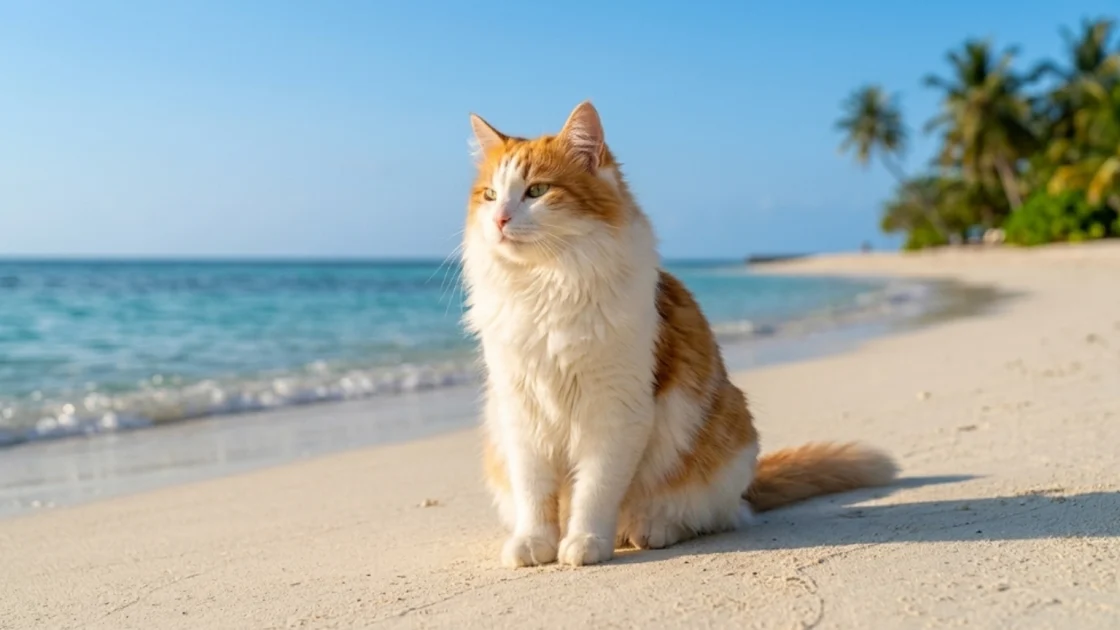
Taking cats at beach trips might sound unusual to some people, but it is becoming more common than ever. Many cat owners are looking for new ways to spend quality time with their pets, and a quiet beach can be a wonderful place if your cat is comfortable outdoors. The key is not forcing the experience. Every cat has a different personality, and that is perfectly normal. Some enjoy exploring fresh places, while others would rather stay curled up on the couch all afternoon.
If you have seen photos of cats enjoying the beach, it may look easy. The truth is, those peaceful moments usually come after careful planning and patience. A beach is full of new sounds, unfamiliar smells, birds, waves, and people. All of these things can either excite or overwhelm a cat. Understanding your pet before leaving home is the first step toward a safe and enjoyable trip.
Know Your Cat Before Planning the Trip
Before you think about taking your cat to the beach, spend some time observing how it reacts to new situations. A confident cat that already enjoys wearing a harness or walking in a quiet outdoor space will usually adjust much better than one that becomes frightened during a short car ride.
I think many owners rush this part because they imagine a perfect day by the water. Real life is a little different. Some cats need several weeks to become comfortable with small adventures before they are ready for something bigger. There is no reason to hurry. A relaxed cat always has a better experience than one that feels pushed into something unfamiliar.
Choose a Quiet Beach Instead of a Busy One
Not every beach is suitable for cats. Busy places filled with loud music, children running around, and dogs playing everywhere can quickly become stressful. A peaceful beach with fewer visitors is usually the better choice.
Early morning is often the best time to visit because temperatures are cooler and the environment feels calmer. The sand is more comfortable, and there is plenty of space for your cat to explore slowly. Many owners who regularly spend time with beach cats say that choosing the right location makes the biggest difference. Sometimes a quiet corner of the beach is all your cat needs to feel safe.
Get Your Cat Ready Before Leaving Home
Preparation begins long before you reach the beach. Let your cat become familiar with its travel carrier by leaving it open inside your home with a soft blanket and a favorite toy. This simple habit helps the carrier feel like a safe place instead of something connected only with travel.
If your cat has never worn a harness before, practice indoors for a few days. After that, move to a quiet garden or backyard. These short sessions help build confidence without causing unnecessary stress. Small steps may seem slow, but they usually produce the best results.
Travel Without Creating Stress
The journey to the beach should be calm and comfortable. Your cat should stay safely inside its carrier throughout the drive. Allowing a cat to move freely inside the car is dangerous for both the pet and the driver.
Speak softly during the trip because your voice provides reassurance. Avoid sudden stops or fast driving whenever possible. Many cats settle down once they realize they are safe, especially when everything around them remains quiet. It sounds simple, but little details often make a huge difference.
Let Your Cat Explore at Its Own Speed
When you arrive, avoid rushing straight toward the sand. Give your cat a few minutes to observe the surroundings from inside the carrier. After attaching the harness securely, allow it to step out only when it seems calm.
Your cat may simply sit and watch the waves for several minutes. That is completely fine. Exploring does not always mean walking everywhere. Some cats on the beach prefer to stay close to their owners while taking in all the new sights and sounds. Others become curious after a little while and slowly begin sniffing around. Every cat follows its own pace. That is part of the adventure.
Keep Water Fun but Safe
People often wonder if cats enjoy swimming. The answer depends on the individual cat, but most do not like being placed in water. Never force your cat into the ocean or encourage it to chase waves.
If your cat walks close to the shoreline out of curiosity, simply let it explore while keeping the leash secure. Salt water should never be allowed as drinking water because it can upset your cat’s stomach. Always carry fresh water and offer it regularly throughout the visit.
Protect Your Cat from Heat
Sunny beaches become much hotter than many people expect. The sand can quickly reach temperatures that are uncomfortable for sensitive paws. Before letting your cat walk around, touch the sand yourself. If it feels too hot for your hand, it will likely be too hot for your pet as well.
Find a shaded area where your cat can rest comfortably. A lightweight towel or small blanket gives your cat a familiar place to relax. Heat exhaustion can happen faster than people realize, especially during the middle of the day. Choosing cooler hours is always the safer option.
Pay Attention to Small Dangers
The beach may seem peaceful, but there are several things worth watching. Sharp shells, broken glass, fishing hooks, litter, and even leftover food can become hazards for curious cats. Birds and insects may also attract your cat’s attention, encouraging sudden movements.
Stay close and remain observant during the entire visit. Cats naturally investigate anything interesting, and that curiosity is one of the reasons we love them. It also means they sometimes need our help staying out of trouble.
Watch Your Cat’s Body Language
Cats communicate through their behavior. A relaxed cat will often look around calmly, sniff the air, or quietly sit beside you. A stressed cat usually sends clear signals if you know what to watch for.
Flattened ears, rapid breathing, hiding, constant meowing, or repeated attempts to escape all suggest that your cat has had enough. If you notice these signs, it is perfectly okay to end the trip early. There will always be another opportunity. A short positive experience is far more valuable than a long stressful one.
Make Every Trip a Learning Experience
Your first beach visit does not need to last all day. Even twenty or thirty peaceful minutes can be a success. As your cat gains confidence, future visits may naturally become longer.
Many owners who regularly share stories about cats enjoying the beach say that patience is what helped the most. Their cats were never forced. Instead, they were given time to explore, rest, and become familiar with each new experience. Over time, those small adventures turned into enjoyable outings for both the cat and the owner.
Final Thoughts
Taking cats at beach locations can become one of the most enjoyable outdoor experiences when you focus on your cat’s comfort instead of your expectations. Every successful trip begins with preparation, patience, and careful observation. Some cats will happily explore the sand, while others will simply enjoy sitting quietly beside you and watching the waves. Both experiences are equally rewarding. Here at Petcentric, we believe every adventure should respect your cat’s personality. A calm, healthy, and confident cat will always create better memories than one that feels rushed or uncomfortable.
Frequently Asked Questions
Is it safe to take cats at beach?
Yes, it can be completely safe when your cat wears a secure harness, stays hydrated, avoids crowded areas, and remains under your supervision during the entire visit.
Do all cats enjoy the beach?
No. Every cat has a unique personality. Some enjoy exploring outdoors, while others feel happier staying indoors.
Can cats swim in the ocean?
Most cats do not naturally enjoy swimming in the ocean. It is always better to let your cat decide how close it wants to get to the water.
What should I bring for a beach trip with my cat?
Fresh water, a soft towel, treats, a secure harness, a comfortable carrier, and a small blanket are enough to help your cat stay comfortable during the visit.
How long should a first beach visit be?
A short visit of around thirty minutes to one hour is usually enough for the first trip. If your cat stays relaxed, you can gradually spend more time during future visits.