Why Is My Fish Staying at the Bottom Causes and Solutions
You glance at your aquarium, expecting the usual scene. Fish swimming around, exploring every corner, maybe racing to the front of the glass because they think it’s feeding time. Instead, one fish is sitting quietly on the gravel. It barely moves. Naturally, your mind jumps to the worst conclusion. “Is my fish dying?” I understand […]
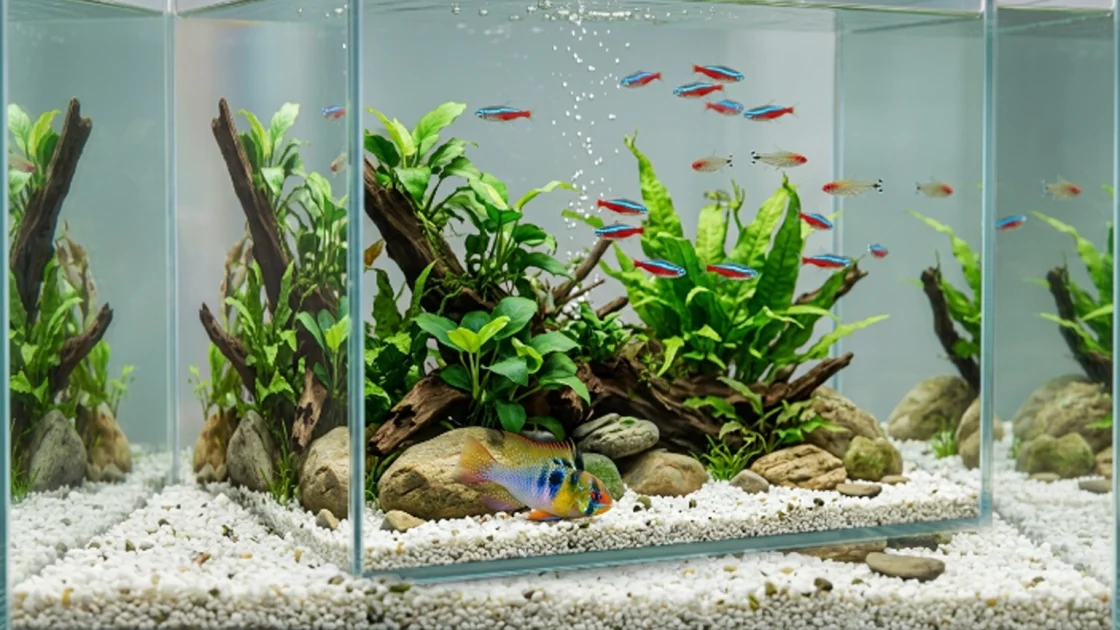
You glance at your aquarium, expecting the usual scene. Fish swimming around, exploring every corner, maybe racing to the front of the glass because they think it’s feeding time. Instead, one fish is sitting quietly on the gravel.
It barely moves.
Naturally, your mind jumps to the worst conclusion.
“Is my fish dying?”
I understand that feeling because almost every aquarium owner experiences it sooner or later. In fact, one of the most searched aquarium questions online is why is my fish staying at the bottom. The answer isn’t always simple because fish don’t behave the same way for the same reason.
Sometimes they’re resting.
Sometimes they’re stressed.
Sometimes the aquarium itself is trying to tell you that something has changed.
The important thing is learning how to tell the difference before the situation becomes serious.
One thing I’ve learned after spending years around aquariums is this: fish almost always give small warning signs before they become seriously ill. If you notice those signs early, you can usually solve the problem without expensive treatments or unnecessary medication.
Let’s start with the most common causes.
Is It Normal for Fish to Stay at the Bottom?
Short answer: Yes, sometimes it is completely normal.
Many people expect fish to swim all day, but that’s not how aquariums work.
Some fish naturally spend most of their lives near the bottom of the tank. Corydoras catfish, Kuhli loaches, and Plecos actually prefer searching the substrate because that’s where they find food.
Even active tropical fish slow down during the evening. When aquarium lights switch off, many species settle into a quiet corner to rest.
This is completely normal behavior.
The concern begins when a fish that usually swims around suddenly spends hours or even days lying on the bottom without much movement.
That’s when you should start asking questions.
The First Thing I Always Check Is Water Quality
If someone asked me to guess the cause without seeing the aquarium, I’d probably say water quality. Not because it’s dramatic. Because it’s incredibly common. I’ve visited aquariums where the water looked crystal clear. Everything appeared perfect. Yet a quick test showed ammonia levels high enough to stress every fish in the tank. That’s the tricky part.
Aquarium water doesn’t have to look dirty to become unhealthy. Every day, fish produce waste. Leftover food also begins breaking down. Together, they release ammonia into the water. Inside a healthy aquarium, beneficial bacteria convert that ammonia into nitrite and later into nitrate through something called the nitrogen cycle.
When that balance is disturbed, fish often react long before the owner notices anything unusual.
One of the first signs is reduced activity.
The fish simply sits near the bottom because swimming has become harder than usual.
If you’ve been searching why is my fish not swimming, checking your water should always be the first step.
A simple liquid test kit can save you days of guessing.
Don’t Ignore Low Oxygen in Fish Tank
Can low oxygen make fish stay at the bottom?
Yes.
It absolutely can.
Most beginners think fish with low oxygen always swim to the surface.
Sometimes they do.
Sometimes they don’t.
Certain species actually become weak and inactive first. They conserve energy by staying close to the bottom where they move less.
I’ve seen this happen during hot summer weeks when room temperatures suddenly increased. The aquarium looked perfectly fine, but warmer water naturally held less oxygen. After improving water circulation and adding an air stone, the fish gradually became active again over the next day.
Situations like that remind you how connected everything inside an aquarium really is.
Several things can contribute to low oxygen in fish tank conditions.
A clogged filter.
Poor water movement.
An overcrowded aquarium.
Too much leftover food decomposing on the substrate.
Very warm water.
Fortunately, these are all problems that can usually be corrected.
Fish Tank Temperature Changes More Than You Think
Temperature is one of those things people rarely think about until something goes wrong.
A heater can stop working overnight.
A room can suddenly become much warmer during summer.
Even placing an aquarium near a sunny window can slowly raise the water temperature throughout the day.
Fish notice these changes long before we do.
When the fish tank temperature becomes too low, the fish’s metabolism slows down.
It eats less.
Swims less.
Sometimes it spends most of the day resting near the bottom.
Water that’s too warm creates a different challenge.
Warm water holds less dissolved oxygen.
That means your fish now has two problems instead of one. Higher temperatures and less oxygen.
That’s why I always recommend keeping a reliable thermometer inside every aquarium.
Never rely only on the heater’s dial.
I’ve seen heaters showing twenty-six degrees while the actual water temperature was twenty-two.
That small difference completely changed the fish’s behavior.
Stress Can Affect Fish More Than Most People Realize
Fish may not make noise, but they definitely react to stress.
Adding new fish.
Moving decorations.
Changing too much water at once.
Transporting fish home from the pet shop.
Even constant tapping on the aquarium glass.
These situations increase stress levels surprisingly quickly.
A stressed fish usually becomes quieter.
It hides more.
It may refuse food for a day or two.
Many also spend longer resting at the bottom.
One family I helped recently thought their guppies were sick because they stopped swimming after a complete tank makeover.
Nothing was actually wrong.
The fish simply needed time to become familiar with their new surroundings.
Within forty-eight hours they were behaving normally again.
That experience reminded me that patience is often one of the best treatments an aquarium owner can have.
Sometimes the Problem Starts With Feeding
Fish are clever.
Most quickly learn that people walking past the aquarium often means food.
Because of that, they always look hungry.
Many owners accidentally overfeed without realizing it.
Extra food creates two problems.
First, it pollutes the water.
Second, it puts extra pressure on the fish’s digestive system.
I’ve noticed that bloated fish often become quieter and spend more time resting before returning to normal.
A simple feeding routine usually works best.
Offer only enough food that your fish can finish within two or three minutes.
Anything left behind should be removed before it begins affecting water quality.
Small habits like this prevent many future problems.
Before You Reach for Medication…
This is probably the advice I give most often.
Don’t treat the symptom before finding the cause.
When owners panic, they sometimes change half the water, add medication, increase the heater, clean the filter completely, and add aquarium salt—all within a few hours.
Unfortunately, that often creates even more stress.
Instead, slow down.
Observe your fish carefully.
Test the water.
Check the fish tank temperature.
Watch how the fish behaves during feeding.
Look at the gills.
Look at the fins.
Those few minutes of careful observation usually tell you much more than random treatments ever will.
Swim Bladder Problems Can Make Swimming Difficult
One condition that often surprises new fish owners is a swim bladder disorder. It sounds serious, but in many cases it’s manageable if you catch it early.
The swim bladder helps a fish stay balanced in the water. When it isn’t working properly, swimming becomes difficult. Your fish may swim for a few seconds, lose balance, and slowly sink back to the bottom. Some fish float sideways, while others struggle to stay upright.
I remember speaking to a hobbyist who was convinced his goldfish was dying. Before buying medicine, he tested the water and reduced feeding for a couple of days. The fish slowly became active again. It wasn’t magic—it was simply a minor digestive problem affecting the swim bladder.
Overfeeding, constipation, poor water quality, bacterial infections, and injuries can all contribute to swim bladder problems. That’s why treating the cause is always more important than treating the symptom.
Hidden Illnesses That Fish Often Show First
Not every disease causes visible spots or wounds.
Many illnesses begin with small behavioral changes. A fish may stop swimming around the aquarium, lose interest in food, or spend long periods resting quietly at the bottom.
If you’re asking why is my fish staying at the bottom, don’t only look at where it’s sitting. Look at everything else too.
Ask yourself a few simple questions.
Is it breathing faster than normal?
Are its fins clamped tightly against its body?
Has its colour faded?
Does it still react when you approach the aquarium?
These small details often reveal problems much earlier than obvious physical symptoms.
I’ve found that owners who spend just five minutes watching their fish every day usually notice problems before they become emergencies.
Observation is one of the most valuable aquarium skills you can develop.
Why the Nitrogen Cycle Matters
Many beginners hear people talk about the nitrogen cycle without really understanding why it’s important.
Think of it as your aquarium’s natural cleaning system.
Fish produce waste every day. Uneaten food also breaks down inside the tank. Without beneficial bacteria, harmful ammonia would continue building until it became toxic.
Healthy bacteria convert ammonia into nitrite and then into nitrate, which can be controlled through regular water changes.
When this cycle is interrupted, fish often become stressed long before the water starts looking dirty.
That’s why cycling a new aquarium properly is one of the best things you can do for long-term fish health.
Many cases of why is my fish not swimming can be traced back to an immature or unstable biological filter.
A Small Quarantine Tank Can Save Your Entire Aquarium
This is something many people skip.
Honestly, I understand why. Setting up another tank sounds like extra work.
But a simple quarantine tank can prevent major problems.
New fish sometimes carry parasites or bacterial infections without showing obvious signs. Once they’re introduced into a community aquarium, those illnesses can spread surprisingly quickly.
Keeping new fish in a separate tank for two or three weeks gives you time to observe them before adding them to your main aquarium.
It’s one of those habits that seems unnecessary—until the day it saves every fish you own.
Practical Fish Recovery Tips That Really Work
When owners search for fish recovery tips, they’re usually hoping for one quick solution.
The truth is a little different.
Healthy recovery usually comes from improving several small things rather than making one dramatic change.
Start by testing your water. If ammonia or nitrite is present, perform a partial water change using a quality water conditioner.
Check the fish tank temperature and make sure it matches the needs of your fish species.
If you suspect low oxygen in fish tank conditions, increase surface movement by cleaning the filter, adjusting the filter outlet, or adding an air stone.
Feed lightly while your fish recovers. Too much food only adds extra waste to the aquarium.
Most importantly, avoid changing everything at once.
I’ve noticed that fish respond much better to stable conditions than constant adjustments. Sometimes the best thing you can do is fix the actual problem and then simply give your fish time.
Common Mistakes That Make the Situation Worse
Most mistakes happen because people genuinely want to help.
Adding medication before knowing the cause.
Replacing all the aquarium water at once.
Cleaning the filter with tap water.
Changing the heater setting several times in one day.
Mixing different medications together.
These actions often create more stress than the original problem.
Instead, work methodically.
Test.
Observe.
Improve one thing at a time.
Your fish will thank you for it.
When Should You Contact an Aquatic Veterinarian?
Sometimes professional help is the right choice.
If your fish remains at the bottom for several days despite stable water conditions, refuses food completely, develops ulcers, bleeding, severe swelling, or struggles to breathe, don’t wait too long.
The same applies if several fish begin showing identical symptoms.
That usually suggests a tank-wide issue rather than an individual illness.
Early diagnosis almost always improves the chances of recovery.
Final Thoughts
If you’ve been searching why is my fish staying at the bottom, remember that this behaviour is a symptom, not a diagnosis. Your fish may simply be resting, adjusting to a new environment, reacting to stress, dealing with poor water quality, experiencing low oxygen in fish tank conditions, or developing an illness that needs attention.
The good news is that most aquarium problems don’t appear overnight. Fish usually give subtle warning signs first. Learning to recognise those signs is one of the best skills any fish keeper can develop.
Keep your aquarium clean, maintain a stable fish tank temperature, avoid overfeeding, support the nitrogen cycle with proper maintenance, and observe your fish for a few minutes every day. Those simple habits prevent far more problems than any medication ever will.
At Petcentric, our goal is to help pet owners build healthy, thriving aquariums through practical advice that actually works in everyday life. Fish keeping doesn’t have to feel complicated. With patience, regular maintenance, and a little observation, you’ll understand your aquarium better every week—and your fish will reward you by staying active, healthy, and full of life.
Frequently Asked Questions
1. Why is my fish staying at the bottom but still eating?
If your fish is eating normally, it may simply be resting, adjusting to a new aquarium, or recovering from mild stress. Check your water parameters and monitor its behaviour for the next 24–48 hours.
2. Why is my fish not swimming around the tank?
Poor water quality, stress, illness, swim bladder problems, or an incorrect fish tank temperature are among the most common reasons. Testing your aquarium water should always be the first step.
3. Can low oxygen in fish tank make fish stay at the bottom?
Yes. Low oxygen in fish tank conditions reduce energy levels and make breathing more difficult. Improving water circulation and maintaining a clean filter usually helps increase oxygen availability.
4. How do I know if my fish is resting or sick?
A resting fish will usually swim normally later, eat well, and respond to movement near the aquarium. A sick fish often shows additional symptoms such as loss of appetite, rapid breathing, clamped fins, faded colour, or visible body changes.
5. What are the best fish recovery tips for beginners?
The best fish recovery tips include testing water quality regularly, maintaining a stable fish tank temperature, avoiding overfeeding, ensuring good oxygen levels, supporting the nitrogen cycle, and making gradual changes instead of sudden ones. Stable aquarium conditions are the foundation of healthy fish.