The Ultimate Bird Health Care Guide for Beginners
Bringing a bird home is exciting. Whether it’s a cheerful budgie, a playful cockatiel, or a talkative parrot, birds quickly become part of the family. They have unique personalities, recognize familiar faces, and often enjoy spending time with the people they trust. Many first-time owners think birds need very little care because they spend much […]
Bringing a bird home is exciting. Whether it’s a cheerful budgie, a playful cockatiel, or a talkative parrot, birds quickly become part of the family. They have unique personalities, recognize familiar faces, and often enjoy spending time with the people they trust. Many first-time owners think birds need very little care because they spend much of their time inside a cage. In reality, they need consistent attention every day. Good food, clean water, exercise, mental stimulation, and a clean living space all work together to keep a bird healthy. This bird health care guide explains the habits that experienced bird owners follow every day. None of them are difficult, but together they can make a huge difference to your bird’s quality of life.
Learn What Normal Looks Like
One of the best ways to protect your bird’s health is to know its normal routine. A healthy bird is usually alert, active, and interested in its surroundings. It eats regularly, drinks fresh water, preens its feathers, and responds to familiar sounds and people. Some birds sing often, while others are naturally quieter. What matters is noticing changes from your own bird’s usual behavior.
Spend a few minutes observing your bird each morning before replacing food and water. This simple habit helps you notice changes early. You may see that your bird is quieter than usual, eating less, or sitting with puffed feathers for longer than normal. Small changes like these are often the first clues that something isn’t right.
Build a Bird Care Routine That Stays Consistent
Birds do best with predictable routines. Try feeding your bird at roughly the same time each day. Replace drinking water every morning and again later in the day if it becomes dirty. Remove uneaten fresh foods before they spoil. A reliable bird care routine also includes time outside the cage when it is safe to do so. Flying, climbing, and exploring help birds stay physically fit and mentally engaged.
Many companion birds also enjoy interacting with their owners. Talking, offering toys, or teaching simple behaviors provides mental enrichment that helps reduce boredom. Consistency is often more valuable than expensive products.
Nutrition Is More Than Just Seeds
One of the most common mistakes new owners make is feeding only seeds. Most birds enjoy seeds, but a seed-only diet does not provide balanced nutrition for many companion species. Over time, it may contribute to vitamin deficiencies, obesity, and poor feather condition. A healthy diet usually includes high-quality pellets, fresh vegetables, and small portions of fruit alongside species-appropriate treats.
Safe vegetables often include leafy greens, carrots, broccoli, peas, and bell peppers. Fresh, clean water should always be available. Avoid foods that are toxic to birds, including chocolate, avocado, alcohol, caffeine, onions, garlic, and foods containing xylitol. Good nutrition forms the foundation of long-term bird health maintenance.
A Clean Cage Supports a Healthy Bird
Cleanliness is one of the easiest ways to reduce the risk of illness. Replace cage liners regularly, wash food and water dishes every day, and remove leftover fresh food before it spoils. Perches and toys should also be cleaned on a regular schedule because birds touch them constantly. Regular bird cage cleaning helps reduce bacteria, mold, and parasites that may affect your bird’s health. The cage should be placed in a well-ventilated area away from cigarette smoke, scented candles, aerosol sprays, and fumes from overheated non-stick cookware, as birds have very sensitive respiratory systems.
Bird Health Maintenance Is About Prevention
Waiting until a bird looks sick is often too late. Birds naturally hide signs of illness, which is why preventive care is so important. Maintaining a balanced diet, clean environment, regular exercise, and routine veterinary checkups greatly reduces the risk of many health problems. Weighing your bird regularly, if practical, is another useful habit because gradual weight loss may occur before obvious symptoms appear. A thoughtful approach to bird health maintenance gives your bird the best chance of staying healthy throughout its life.
Recognize the Early Signs of Common Bird Diseases
Birds are very good at hiding illness. In the wild, showing weakness can make them an easy target for predators. Even though pet birds live safely in our homes, they still have this natural instinct. That is why you should pay attention to small changes. If your bird suddenly becomes quiet, sleeps more than usual, eats less, loses weight, or keeps its feathers puffed up for long periods, don’t ignore it. Changes in droppings, breathing, or activity level can also be early warning signs.
Many common bird diseases can be treated successfully when they are found early. Waiting for obvious symptoms often makes treatment more difficult. A good habit is to spend a few minutes watching your bird every day. Over time, you’ll learn what is normal for your pet, making unusual behavior much easier to notice.
Common Health Problems Every Bird Owner Should Know
You don’t need to become a veterinarian, but understanding a few common health issues can help you make better decisions. Respiratory infections are one of the most frequent problems in pet birds. Dusty cages, poor ventilation, smoke, or exposure to strong household chemicals may increase the risk. Birds with breathing problems may breathe with an open beak, bob their tail while breathing, or make unusual sounds. Digestive problems may develop because of spoiled food, contaminated water, or sudden diet changes. Healthy droppings are usually firm and consistent, so major changes should never be ignored.
Nutritional deficiencies are another concern. Birds fed only seeds often miss important vitamins and minerals. Over time, this can lead to weak immunity, poor feather quality, and reduced energy. External parasites, such as mites, may cause itching or feather damage, while internal parasites can affect digestion and body condition. Learning about common bird diseases doesn’t mean you should worry every day. It simply helps you respond quickly if something changes.
Your Bird’s Mind Needs Care Too
Physical health is only one part of the picture. Birds are intelligent animals. Many species solve problems, recognize people, and enjoy learning new things. Without enough mental stimulation, they can become bored or stressed. A bored bird may scream more often, chew feathers, or lose interest in playing.
Simple activities can make a big difference. Rotate toys every week, provide natural wood perches with different textures, and allow supervised time outside the cage whenever it is safe. Some birds enjoy learning simple commands or searching for treats hidden inside safe toys. Others are happiest just sitting beside their owner while the family goes about its day. A complete bird care routine always includes both physical and mental enrichment.
Regular Veterinary Checkups Are Worth It
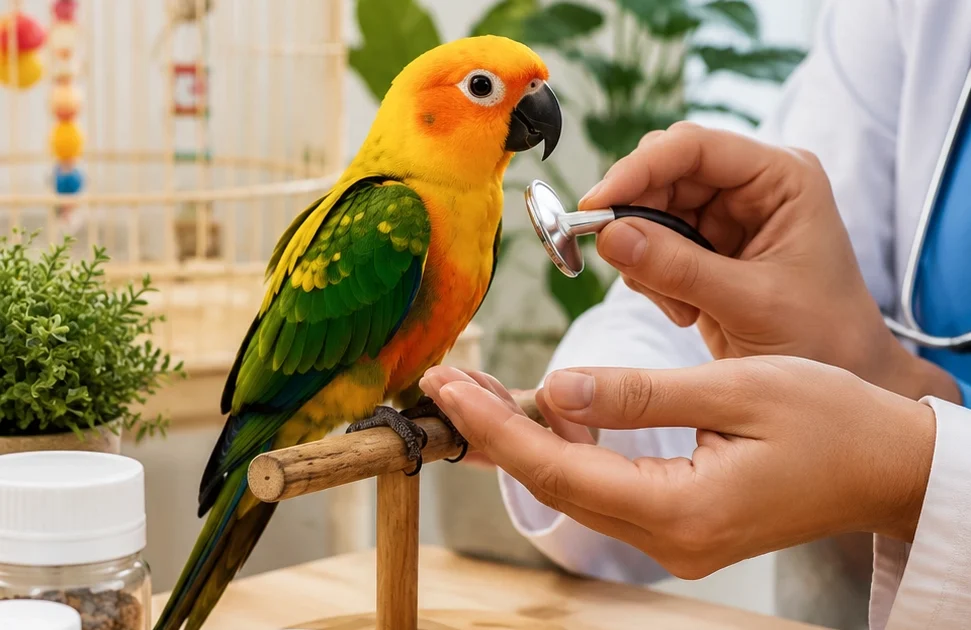
Many owners only visit a veterinarian when their bird becomes sick. Routine checkups are actually one of the best ways to protect your bird’s health. An avian veterinarian can examine your bird’s weight, feathers, beak, nails, breathing, and overall condition. They may also recommend tests if they notice anything unusual. If your bird suddenly stops eating, struggles to breathe, has severe diarrhea, bleeds, or cannot stand properly, seek veterinary care as soon as possible. Early treatment often leads to better outcomes and may even save your bird’s life.
Small Habits Create Lifelong Health
Healthy birds are rarely healthy by accident. They stay well because their owners consistently provide proper food, fresh water, exercise, a clean environment, and regular observation.
These habits don’t take hours every day.
Changing water.
Cleaning dishes.
Providing healthy meals.
Keeping up with bird cage cleaning.
Watching your bird for a few minutes.
All of these simple actions work together to support excellent bird health maintenance.
When repeated every day, they become part of a routine that helps prevent illness instead of simply reacting to it.
Final Thoughts
Owning a bird is both a responsibility and a privilege. These intelligent companions depend on us for their health, safety, and happiness. Following a trusted bird health care guide makes it easier to provide the daily care your bird needs, from balanced nutrition and proper hygiene to exercise and regular observation.
A consistent bird care routine, good bird health maintenance, and attention to the early signs of common bird diseases can help your feathered friend enjoy a longer, healthier life. Regular bird cage cleaning and routine visits to an avian veterinarian add another layer of protection that every responsible owner should consider. At Petcentric, our goal is to provide practical, trustworthy pet care information that helps owners make confident decisions every day. The more you understand your bird’s needs, the stronger the bond you’ll build—and the healthier your companion is likely to be for years to come.
Frequently Asked Questions
1. What is the best bird health care guide for beginners?
The best bird health care guide teaches owners how to provide balanced nutrition, clean water, proper hygiene, exercise, mental enrichment, and regular health monitoring to keep birds healthy.
2. How can I improve my bird care routine?
Improve your bird care routine by feeding your bird on a regular schedule, replacing water daily, cleaning the cage, providing safe toys, allowing exercise, and observing your bird’s behavior every day.
3. Why is bird health maintenance important?
Good bird health maintenance helps prevent disease, strengthens the immune system, supports healthy feathers, and allows owners to detect health problems before they become serious.
4. What are the most common bird diseases?
Some common bird diseases include respiratory infections, digestive disorders, nutritional deficiencies, bacterial infections, fungal infections, and parasite infestations. Early diagnosis improves the chances of successful treatment.
5. How often should I clean my bird’s cage?
Food and water dishes should be cleaned every day. Cage liners should be changed daily, and the cage, perches, and toys should be thoroughly cleaned at least once a week to maintain a healthy environment.