How Dog Fever Symptoms Reveal Puppy Health Problems
A puppy can seem perfectly fine one moment and suddenly become quiet, tired, or uninterested in food. For a new pet parent, that change can be worrying. Is it just a bad day, or is something more serious happening? Fever is one of the body’s natural responses to illness. In puppies, however, a raised temperature […]

A puppy can seem perfectly fine one moment and suddenly become quiet, tired, or uninterested in food. For a new pet parent, that change can be worrying. Is it just a bad day, or is something more serious happening?
Fever is one of the body’s natural responses to illness. In puppies, however, a raised temperature can sometimes point toward an infection, inflammation, dehydration, or another underlying concern. Understanding dog fever symptoms can help you notice changes early and decide when professional veterinary care is needed.
This guide explains how fever can be connected with puppy health problems, what signs to watch for, and how everyday puppy care can support better wellness.
What Does a Fever Mean in a Puppy?
A fever occurs when a puppy’s body temperature rises as part of an immune response. The body may do this when it is fighting an infection or responding to inflammation.
A puppy may not simply feel “hot” when it has a fever. You might notice behavior changes first. Your playful puppy may suddenly want to sleep. Food may be left untouched. The tail stops wagging.
These small changes matter.
It is also important to understand that feeling warm to the touch does not reliably confirm a fever. Puppies naturally have a higher normal body temperature than humans, and factors such as exercise, stress, excitement, or a warm environment can temporarily increase temperature.
A veterinarian can determine whether a puppy actually has a fever and investigate what is causing it.
Common Dog Fever Symptoms to Watch For
Fever rarely appears completely by itself. It may occur alongside other signs that give clues about your puppy’s health.
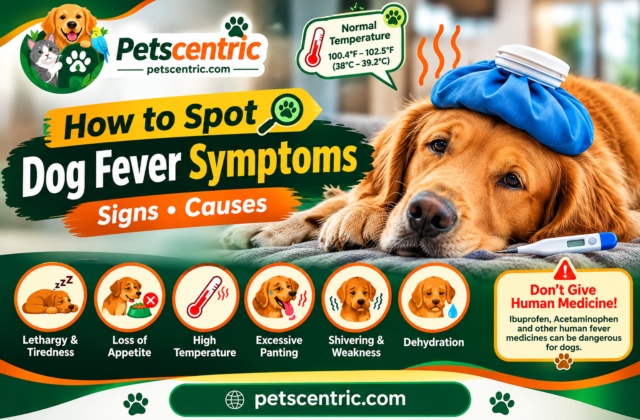
One common change is unusual tiredness. A puppy that normally races around the house may become reluctant to play or move. Some puppies may sleep much more than usual.
Loss of appetite is another important warning sign. Missing one meal does not always mean an emergency, but a puppy that repeatedly refuses food, especially while showing other symptoms, deserves closer attention.
You may also notice shivering, weakness, warm ears, panting, or a generally uncomfortable appearance. Some puppies become less social and may hide or avoid being handled.
The key is to look for a pattern rather than relying on one symptom.
How Fever Can Reveal Puppy Health Problems
Fever itself is not usually the disease. It is a sign that something may be happening inside the body.
For example, bacterial or viral infections can trigger an immune response. Respiratory infections may cause coughing, nasal discharge, tiredness, and fever. Gastrointestinal infections can produce vomiting, diarrhea, poor appetite, and weakness.
This is why a fever should be considered together with the puppy’s other symptoms.
A young puppy has a developing immune system and can become seriously ill faster than an adult dog. What looks minor at breakfast may become much more concerning by evening.
That is where proper puppy health care becomes important.
Puppy Infections and Fever
Infections are among the concerns veterinarians consider when a puppy develops fever. These may affect different parts of the body, including the respiratory system, digestive tract, urinary system, skin, or other tissues.
Some infections cause obvious symptoms. Others begin quietly.
A puppy with a respiratory infection might have coughing, sneezing, nasal discharge, low energy, and reduced appetite. A digestive infection may involve vomiting or diarrhea. Skin infections can cause redness, swelling, itching, odor, or discharge.
Vaccination also plays an important role in protecting young dogs from serious infectious diseases. Puppies should follow an appropriate vaccination schedule recommended by their veterinarian.
If a puppy has fever along with worsening symptoms, don’t wait several days hoping it disappears on its own.
Puppy Vomiting and Diarrhea: When Fever Makes It More Concerning
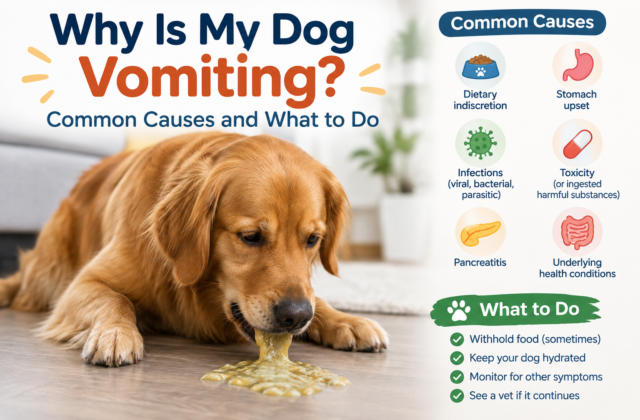
Vomiting and diarrhea are common reasons puppies become dehydrated. Sometimes digestive upset is mild. Sometimes it signals a much more serious problem.
When vomiting or diarrhea occurs together with fever, weakness, refusal to eat, or unusual sleepiness, veterinary advice becomes more important.
Young puppies have less reserve than healthy adult dogs. They can lose fluids quickly.
Watch for dog ear infection home treatment, including dry or sticky gums, unusual weakness, reduced urination, sunken-looking eyes, or a significant change in normal behavior. These signs should not be ignored.
Do not give human anti-diarrhea or fever medicines unless a veterinarian specifically tells you to do so. Some medications that are common in human medicine can be dangerous for dogs.
When Is a Puppy Health Emergency?
Not every fever requires an emergency hospital visit, but certain combinations of symptoms can indicate a puppy health emergency.
A puppy that is extremely weak, struggling to breathe, collapsing, having seizures, repeatedly vomiting, developing severe diarrhea, or becoming difficult to wake needs urgent veterinary attention.
Very young puppies deserve extra caution. Their condition can deteriorate quickly, particularly when illness prevents them from eating or drinking.
Trust your instincts, too. If your puppy looks seriously unwell, don’t wait for a perfect list of symptoms before calling a veterinarian.
Early treatment can make a real difference.
Puppy Health Check: What a Veterinarian May Look For
During a puppy health check, the veterinarian may assess temperature, heart rate, breathing, hydration, gums, abdomen, skin, eyes, ears, and overall behavior.
The veterinarian will also ask questions about eating, drinking, urination, bowel movements, vaccinations, recent activities, possible exposure to sick animals, and any medications or substances the puppy may have encountered.
Depending on the symptoms, additional testing may be recommended. Blood tests, stool testing, urine testing, or other diagnostic procedures can help identify the underlying cause.
This is one reason home diagnosis can be difficult. Two puppies can show similar signs while having completely different illnesses.
Puppy Wellness Tips That Support Healthy Development
Good daily care cannot prevent every illness, but it can help support your puppy’s overall health.
A balanced diet appropriate for the puppy’s age and size provides the nutrients needed for growth. Fresh drinking water should always be available.
Regular veterinary visits are equally important. Vaccinations, parasite prevention, growth monitoring, and routine examinations allow potential concerns to be identified before they become bigger problems.
Sleep matters too. Puppies need plenty of rest because their bodies and brains are developing rapidly. A calm, clean sleeping area gives them a comfortable place to recover after play.
And don’t forget mental stimulation. Gentle training, age-appropriate play, and positive interaction support both physical and emotional development.
These simple puppy wellness tips may sound basic. They are not. Consistency is what counts.
Puppy Medical Problems Beyond Fever
Not all puppy health problems cause fever. Some medical conditions may appear through changes in appetite, digestion, movement, breathing, skin, or behavior.
Parasites can affect digestion and growth. Nutritional problems may cause poor development or changes in coat condition. Allergies and skin irritation can lead to persistent itching or redness.
Dental development can also cause discomfort as puppies grow. Meanwhile, congenital conditions may produce symptoms that become noticeable only as the puppy gets older.
This is why observing your puppy every day is valuable. You know how your puppy normally behaves. A sudden change is worth noticing.
Pet Skin Care and Visible Changes
Healthy skin and coat are useful indicators of general wellness. During routine pet skin care check for unusual redness, bald patches, swelling, crusting, excessive scratching, or unpleasant odors.
A skin problem does not necessarily mean your puppy has a fever. However, infection or inflammation in the skin can sometimes occur alongside other symptoms.
Keep your puppy’s bedding clean and avoid using harsh shampoos or human skincare products unless recommended by a veterinary professional.
If your puppy is constantly scratching, developing sores, or losing hair in unusual patches, a veterinary examination can help determine whether parasites, allergies, infection, or another problem is involved.
What Should You Do If Your Puppy Feels Hot?
Don’t panic and don’t rely only on touching the ears or nose.
Instead, observe the puppy’s overall condition. Is the puppy eating? Drinking? Playing? Breathing normally? Urinating? Having normal bowel movements?
If several things seem wrong at once, contact your veterinarian.
If you have been instructed by your veterinarian on how to measure temperature safely at home, follow those instructions carefully. Otherwise, avoid unsafe attempts to take a temperature, particularly with a frightened or struggling puppy.
Never give your puppy medication intended for people without veterinary guidance.
A quick call to the clinic can prevent a lot of guesswork.
How Prevention Can Reduce Health Risks
Preventive care is one of the strongest foundations of puppy health care. Vaccinations, parasite control, safe nutrition, appropriate exercise, hygiene, and regular veterinary examinations all contribute to healthier development.
Your puppy should also be protected from potentially dangerous environments while vaccinations are still being completed. Your veterinarian can explain which situations are safe based on your puppy’s age, vaccination history, and local disease risks.
Safe socialization is important, but it should be done thoughtfully.
Good prevention is not about keeping a puppy in a bubble. It is about reducing avoidable risks while allowing healthy development.
When to Contact Your Veterinarian
Contact your veterinarian if your puppy develops persistent fever, significant loss of appetite, repeated vomiting, ongoing diarrhea, marked weakness, breathing difficulties, dehydration signs, or a major change in normal behavior.
Don’t try to diagnose the exact illness from symptoms alone.
For example, vomiting could be caused by dietary upset, parasites, infection, toxins, or another medical condition. Fever could accompany several different illnesses. The underlying cause matters more than the fever itself.
Professional assessment is especially important when symptoms are severe, worsening, or affecting a very young puppy.
Final Thoughts
Understanding dog fever symptoms is really about understanding your puppy as a whole. A temperature change can sometimes be the first visible clue that something is wrong, but the surrounding symptoms often tell the bigger story.
Changes in appetite, energy, hydration, digestion, breathing, skin, and behavior should never be viewed in isolation. Early attention can help identify puppy health problems before they become more difficult to manage.
Good puppy health care starts with simple habits: nutritious food, clean water, preventive veterinary care, vaccinations, parasite protection, safe exercise, proper rest, and daily observation.
At Petscentric, our goal is to help pet parents make informed decisions and recognize important health changes early. When something feels seriously wrong, though, your veterinarian should always be your first source of medical advice.
FAQs
1. Can fever be a sign of puppy health problems?
Yes. Fever can occur with infections, inflammation, and other medical conditions. However, fever alone cannot identify the exact cause. Other symptoms and a veterinary examination may be needed.
2. What are common puppy dehydration symptoms?
Possible signs include dry or sticky gums, weakness, reduced urination, sunken-looking eyes, and unusual tiredness. Vomiting and diarrhea can increase the risk of dehydration, particularly in young puppies.
3. Is puppy vomiting and diarrhea always an emergency?
Not always, but it can become serious quickly in young puppies. If vomiting or diarrhea is repeated, severe, accompanied by weakness or fever, or prevents the puppy from drinking, contact a veterinarian promptly.
4. What should I do if my puppy feels unusually warm?
Feeling warm does not necessarily mean your puppy has a fever. Monitor the puppy’s behavior and other symptoms, and contact your veterinarian if your puppy appears unwell or develops concerning signs.
5. How can I prevent puppy health problems?
Regular veterinary checkups, recommended vaccinations, parasite prevention, balanced nutrition, clean water, safe exercise, good hygiene, and careful daily observation are important parts of preventive puppy care.